Showing up late, ignoring texts, winging the paperwork…not exactly a five-star client experience. Concerns about professionalism are becoming a bigger conversation across real estate, from how agents communicate to how prepared and knowledgeable they are. And when business is harder to come by, the agents who take their careers seriously have an opportunity to stand out. |
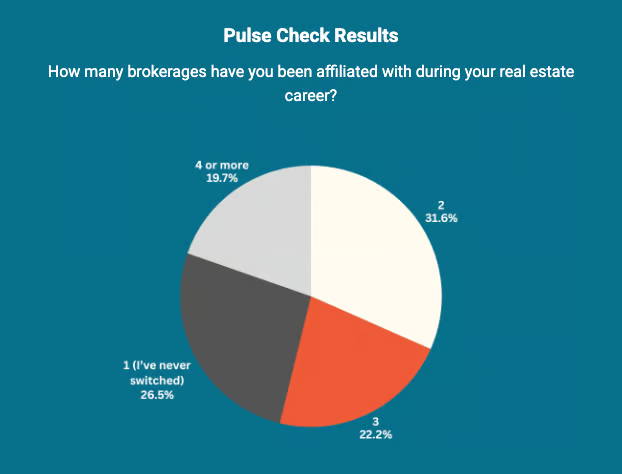
Professionalism can help an agent win the client, but what helps a brokerage win the agent? Our latest reader survey shows that switching firms is remarkably common, creating both a retention challenge and a recruiting opportunity for brokerage leaders. |
|
|
|
Here's what you need to know today: |
|
|
|
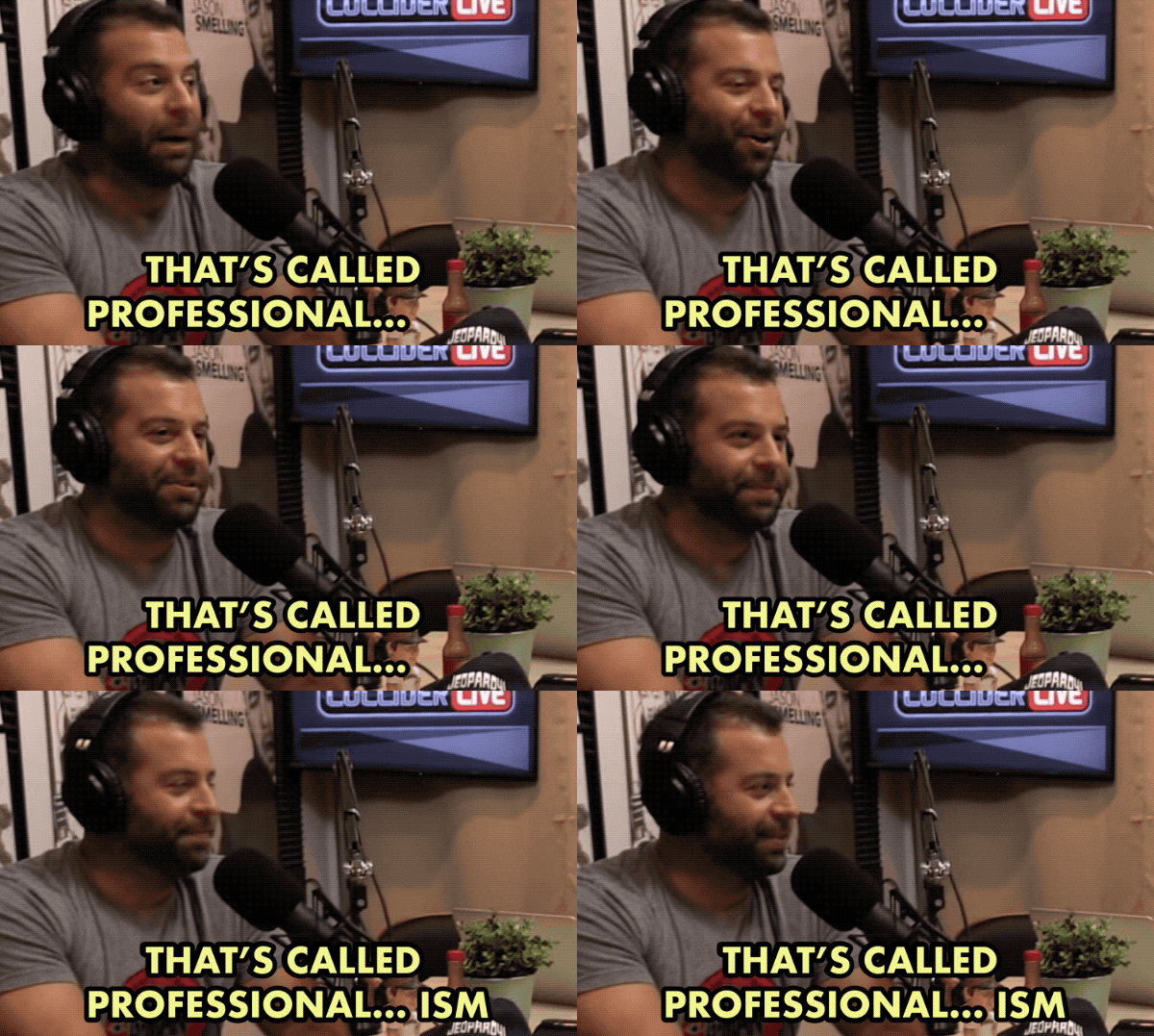
Professionalism in real estate is back in the conversation, and it matters even more in today’s market. In a recent survey of more than 100 brokers, professionalism, or the lack of it, emerged as a major concern. Brokers pointed to part-time and low-production agents, poor communication, low barriers to entry, and limited accountability. Some even called for stricter licensing and education requirements. Regardless of the solution, agents who want to succeed should pay attention to the perception.
|
That’s especially true when business is harder to come by. When homes were selling quickly and transactions were plentiful, there was more room for agents to blend into the crowd. In a slower, more complicated market, buyers and sellers have more reason to question what they're getting for their money and be selective about who represents them. Professionalism becomes part of your value proposition. How you communicate, present yourself, explain the market, negotiate, and handle problems can be what separates you from the agent competing for the same client.
I started my real estate career young and was usually much younger than my clients, so I understood I had to work harder to prove I knew what I was doing. For me, that meant paying extra attention to how I dressed and spoke, and also making sure I was prepared, confident, and knowledgeable. Agents may not be able to change the industry overnight, but they can control the experience their clients have. And in a market where every transaction is harder won, showing clients exactly why they need a professional could be what sets you apart.
What this means for agents: 👔 Professionalism is a competitive advantage: When fewer transactions are available, being prepared, knowledgeable, and dependable gives you another way to stand out.
💬 Every interaction builds your reputation: Clear communication, timely responses, and confident explanations can influence whether a prospect becomes a client or looks elsewhere. ⏰ Master the basics: Be on time, prepared, organized, responsive, and follow through on what you promise. |
|
|
|
Do you think there is a professionalism problem among real estate agents in your market? |
|
|
|
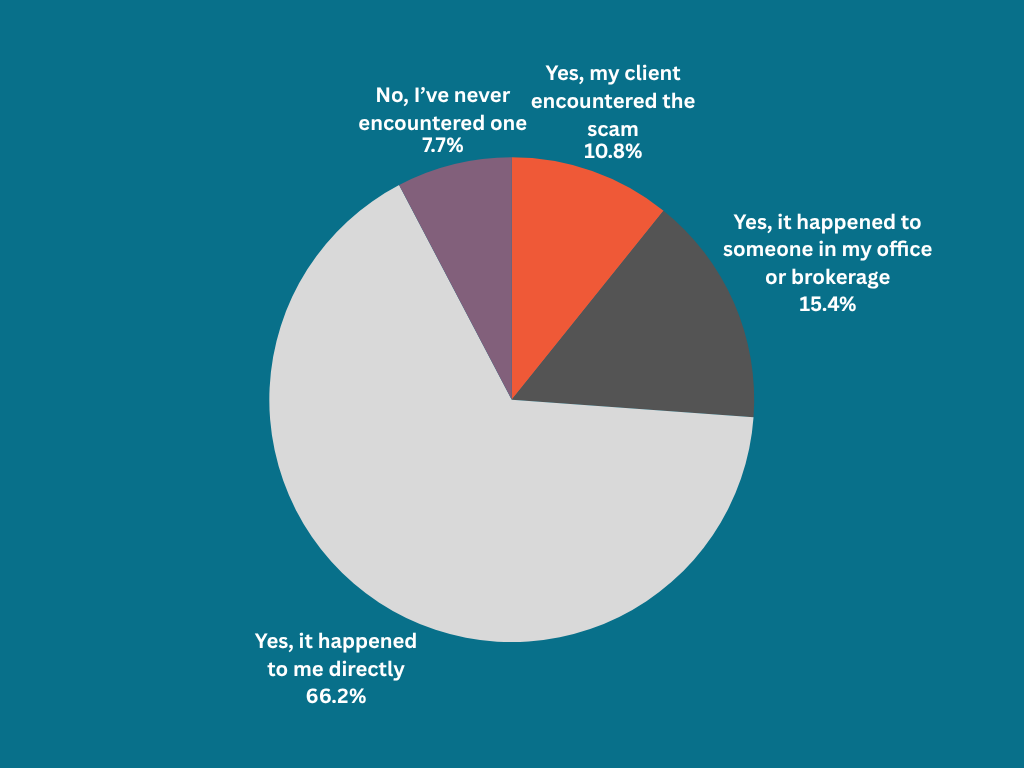
Have you ever encountered a real estate scam or fraud attempt? |
|
|
|
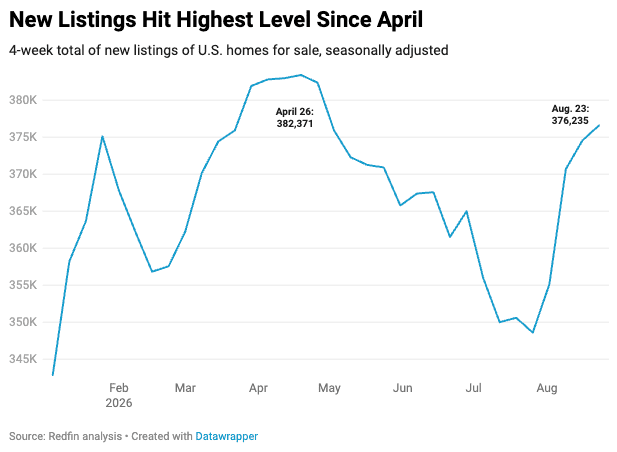
More homes are hitting the market just as buyer demand is slowing, which could create an opening for real estate investors looking to purchase. New listings reached their highest level since April during the four weeks ending August 23, while pending sales fell to a six-month low, according to Redfin. That combination means investors in some markets have more properties to choose from and fewer buyers to compete against, giving them greater negotiating leverage.
|
For investors, the opportunity isn’t necessarily about waiting for home prices to plunge. It’s about using that leverage to improve the numbers on a potential investment. Properties that have been sitting for several weeks, undergone price reductions, or need repairs may have sellers more willing to negotiate on price, closing costs, inspection terms, or even a mortgage-rate buydown. Those concessions can improve an investor’s potential return even if the purchase price doesn’t fall dramatically.
But investors still need to be selective. Markets including Miami, Nashville, and parts of Texas currently favor buyers more heavily, while other areas remain competitive. I’d look for markets where inventory is rising faster than demand, then determine whether the property still offers strong rental demand, cash-flow potential, and long-term fundamentals. More negotiating power can create a better entry point, but only if the investment itself still makes sense.
What investors are prioritizing now: |
- Stale listings: Properties that have been on the market longer can give investors more leverage to negotiate on price, repairs, or seller concessions.
- Inventory versus demand: Markets where listings are accumulating while pending sales decline can give investors considerably more negotiating power.
-
Deal fundamentals: More leverage doesn’t automatically make a property a good investment. Rental demand, expenses, financing, and long-term potential still need to make sense.
|
Your Move This Week: ⏳ Search listings sitting 30+ days. ✂️ Track recent price reductions. 📊 Compare listings with pending sales. |
|
|
|
Here’s an idea you can borrow, tweak, and put into action this week. Have a highly qualified buyer struggling to find the right home? Turn it into an opportunity to cold call. Pick a neighborhood they’re interested in and reach out to 50 to 100 homeowners. Keep the conversation light and low-pressure, with a focus on finding a home for your buyer. Here’s a script to get you started: |
|
Highlight the script below and copy it for your next homeowner conversation.
|
|
“
|
Hi, this is [Name]. I’m a local real estate agent, and I promise I’ll keep this quick.
I’m working with a highly qualified buyer who really wants to move to your area, and I
promised them I’d personally reach out to homeowners whose properties might be a good fit.
I wanted to see if you’ve given any thought to selling in the next six to 12 months?
And if not, no worries at all. Do you happen to know of any neighbors who might be
considering a move? I’d love the chance to connect with them and see if we could make
something work for my clients.”
|
|
|
|
|
|
|
|
Agents switching brokerages might sound like bad news for brokerage leaders, but there’s another way to look at it. Every agent considering a move represents an opportunity for one brokerage to recruit experienced talent and a reminder for another to strengthen its retention strategy. And according to our latest survey of The Close newsletter readers, those opportunities may be more common than you think.
|
Nearly three-quarters of the agents we surveyed have worked with more than one brokerage, and among those with more than 10 years of experience, the figure rises to 82%. That doesn’t necessarily signal a lack of loyalty. As agents gain experience, their production, goals, and expectations change. What they needed from a brokerage early in their career may be very different from what they need five or 10 years later.
For brokers, the takeaway is to keep evolving alongside your agents. Regular conversations about support, technology, marketing, culture, compensation, and growth opportunities can uncover changing needs before they become reasons to leave. At the same time, a strong and continually improving value proposition puts your brokerage in a better position to attract experienced agents who have realized their current firm no longer fits where they want to go next.
What’s working right now: |
- Retention check-ins: Schedule regular one-on-one conversations with agents about goals, frustrations, and what they need next, before those concerns become reasons to leave.
-
Recruit the switchers: Build recruiting campaigns focused on experienced agents who may have outgrown their current brokerage and are seeking stronger support or new opportunities.
- Watch for quiet disengagement: Declining office participation, reduced communication, or frustration with support can be early signs an agent is considering a move. Train managers to recognize and address them early.
|
|
|
|
🎬 Tim Curry’s former L.A. home finds a buyer: Realtor.com shares that the $7.5 million Los Feliz home the late actor painstakingly restored has gone under contract after decades of celebrity owners.
🤔 Buyer misconceptions may be keeping them sidelined: NAR says 45% of prospective buyers think mortgage rates are higher than they actually are, while widespread myths about down payments and credit requirements could also be delaying purchases.
📈 Rate hikes are back on the table: Norada Real Estate Investments reports persistent inflation and a resilient economy are shifting expectations toward a potential Fed rate increase later in 2026. |
|
|
|
|
Sophia Doyle is a staff writer at The Close and a licensed New Jersey real estate agent with hands-on experience in residential real estate. Sophia brings real-world insight into today’s housing market, combining on-the-ground agent experience with a strong background in communications. She understands the full transaction lifecycle, from lead generation and client relationships to marketing strategy and deal execution. Through her writing, Sophia delivers clear, practical guidance to help agents navigate an evolving industry with confidence and creativity.
|
|
|
|
Advertise in The Close The Close is a TechnologyAdvice business © 2026 TechnologyAdvice, LLC. All rights reserved. TechnologyAdvice, 3343 Perimeter Hill Dr, Suite 215 Nashville, TN 37211, USA |
|
|
|
https://link.theclose.com/oc/69828e30ae4b024a987e77b5s5sug.2c94/4bca0d00
|
|
|
|