Apparently, the sun has decided it’s working part-time for the rest of the year. Unfortunately, real estate agents don’t have that luxury. With daylight disappearing earlier, showing homes is getting a bit more complicated, and agents may need to rethink how they schedule appointments to make sure buyers aren’t left in the dark. |
And while we can’t convince the sun to work longer hours, we can find ways to make our workdays easier. That’s why I’m excited to share that The Close has teamed up with The Neuron Academy to bring practical AI training to real estate agents! Our new course, ChatGPT for Real Estate Agents, shows agents how to use AI for everything from writing listing descriptions and creating marketing content to communicating with clients and saving time on everyday tasks.
|
|
|
|
Here's what you need to know today: |
|
|
|
If you’re anything like me, you’re probably just now getting used to the clock change. And while I appreciated the extra hour of sleep that first day, I’m not a fan of it getting dark before dinner. But for real estate agents, the earlier sunsets are more than just an inconvenience. They can completely change how and when we show homes, especially when buyers are trying to squeeze in appointments after work. |
I personally don’t like taking buyers to see a property for the first time when it’s pitch black outside. It’s easy to miss important details, and buyers can’t get a good look at the yard, exterior, or even the surrounding neighborhood. That’s why I often recommended weekend showings or, when clients could make it work, lunchtime appointments.
My weekends were usually packed during this time of year because I wanted buyers to see everything a property had to offer. As RISMedia recently highlighted, the shift to shorter days means agents need to schedule showings more intentionally and help clients evaluate properties when natural light is limited.
Of course, evening showings aren’t always avoidable, especially when buyers have demanding work schedules. But there’s a big difference between seeing a home for the first time in daylight and returning after dark. Evening showings can help evaluate a neighborhood’s lighting, traffic, and atmosphere, but agents also need to consider safety when navigating unfamiliar properties, poorly lit walkways, and vacant homes. The key is helping buyers evaluate a property in different conditions while keeping everyone safe.
What this means for agents: ☀️ Prioritize daylight for first showings: Give buyers the opportunity to evaluate the home’s exterior, yard, and surrounding neighborhood. 📅 Prepare for busier weekends: Buyers who can’t leave work during the day may need to concentrate their showings on Saturdays and Sundays.
🔦 Don’t overlook safety: Shorter days mean agents should be more mindful of visibility, property access, and personal safety during evening appointments. |
|
|
|
Black Friday Savings Are Here: Get 70% Off QuickBooks Online!
The holiday season is busy enough without spending extra hours managing your books. Whether you're tracking expenses, managing invoices, or preparing for year-end, QuickBooks Online brings together powerful AI and real human expertise to help simplify your finances.For a limited time, get 70% off QuickBooks Online for 3 months. |
|
|
|
What’s your favorite type of property to show? |
|
|
|
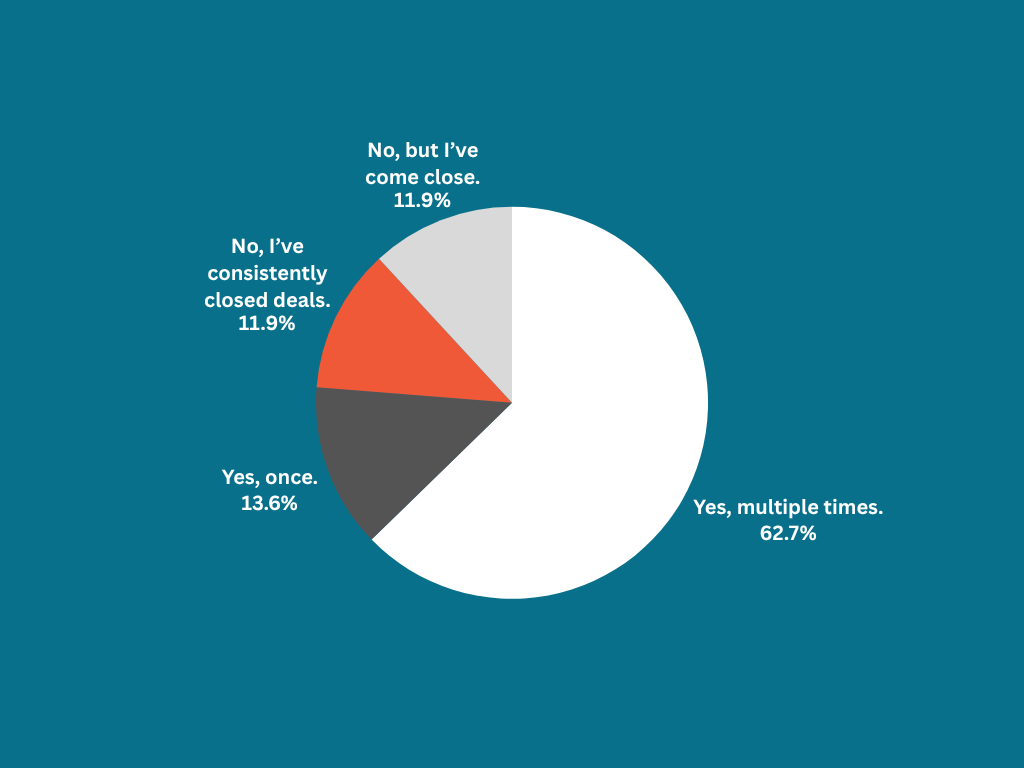
Have you ever gone more than three months without closing a deal? |
|
|
|
Real estate investors can spend months searching for the perfect property, analyzing rental income, and calculating potential returns. But another decision deserves just as much attention: where they get their financing. The bank you choose can influence everything from how much you can borrow to how quickly you can close and whether a deal is financially worthwhile. And it’s something investors are already thinking about. Many are checking out our guide to the best banks for real estate investors to compare their options and find financial institutions that fit their investment strategies.
Not every bank approaches real estate investing the same way. Some specialize in investment property loans, while others offer business banking services, portfolio financing, or lending options for investors purchasing multiple properties. Interest rates, down payment requirements, loan terms, fees, and approval timelines can also vary. For investors, these differences matter. A lender with more favorable terms could improve cash flow, while restrictive requirements or a lengthy approval process could make an otherwise promising deal harder to close.
The important thing is to choose a bank based on your investment strategy, not just the lowest advertised interest rate. Someone purchasing their first rental property may have very different financing needs from an investor managing multiple properties or planning renovations. As your portfolio grows, a banking relationship that supports future purchases and helps manage your finances can become increasingly valuable. Finding the right property matters, but finding the right financial partner can make the difference in how successfully you build your portfolio. |
What investors should consider: |
-
Lending options: Look for banks that offer financing suited to your investment strategy, whether that’s rental properties, renovations, or portfolio expansion.
- Total borrowing costs: Compare interest rates, fees, down payment requirements, and repayment terms to understand how financing affects your returns.
-
Long-term flexibility: Consider whether a bank can support additional purchases, refinancing, and your financial needs as your portfolio grows.
|
Your Move This Week: 🏦 Compare banks that specialize in real estate investment financing.
🧮 Calculate how different loan terms would affect your cash flow. 💰 Review the fees and requirements associated with investment property loans. |
|
|
|
There’s a fine line between funny and controversial in real estate marketing, and Realtor Kyle Belanger’s latest Reel walks right up to it. Titled “POV: Realtors Showing Houses in Florida,” the video shows Belanger speaking with a client off camera while standing in front of a home on a flooded street. When it’s time to see the next property, he hops onto a paddleboard and heads down the street. It’s an unexpected take on the realities of showing homes in South Florida, where heavy rain and flooding can create some unusual challenges.
The timing makes the video particularly interesting. South Florida is currently dealing with significant flooding, with some communities receiving more than a foot of rain and streets becoming impassable. Belanger’s video plays directly into a situation that’s already getting attention, using humor to connect a current event with the real estate industry. |
Screenshot via @thekylebelanger
|
What makes this an interesting marketing example is how differently people might interpret it. Some viewers may appreciate the humor and recognize the challenges of working in a flood-prone market. Others may see flooding as too serious a subject to joke about, especially when homeowners are dealing with property damage and disrupted daily lives. That potential for different reactions is part of what makes the content controversial and capable of sparking conversation.
The video also illustrates how quickly agents can connect their marketing to something happening around them. Rather than relying on a traditional listing tour or market update, Belanger uses a recognizable local issue and an unexpected visual to capture attention. Whether viewers find it funny, relatable, or questionable, the Reel raises an interesting question about how agents use humor when the subject is something their communities are actively experiencing.
|
|
|
|
AI-edited listing photos are becoming increasingly common, and in my market, it feels like almost every listing has some type of digital enhancement. But I’m also hearing more frustration from buyers who feel catfished by homes that look nothing like their photos. A recent Realtor.com article highlighted a Washington, DC, listing that sparked backlash after its first nine photos showed a beautifully finished home, while later images revealed the property was actually stripped down to its framing.
The listing included disclosures identifying the images as architectural renderings, but that didn’t stop people from questioning whether the presentation was misleading. |
Brokers need to take this seriously because the consequences don’t necessarily stop with the listing agent. When buyers feel misled, it can damage their trust in the agent and the brokerage representing the property. AI editing and virtual staging can be valuable marketing tools, but they can also blur the line between helping buyers envision a property’s potential and making a home look like something it isn’t.
Brokers should establish clear guidelines for what agents can and cannot change in listing photos, including rules around removing defects, altering permanent features, adding nonexistent amenities, and presenting renovations that haven’t happened.
I’d also recommend creating dedicated training sessions where agents can see examples of acceptable and unacceptable edits. Walk through actual listing photos, explain disclosure requirements, and ensure agents understand MLS rules and applicable state laws.
Consider requiring broker approval for heavily edited images and establishing standards for including original photos alongside virtually staged or rendered versions. The goal isn’t to eliminate AI from listing photography. It’s to ensure your brokerage represents properties ethically and accurately and protects the trust you’ve worked to build with buyers and sellers. What’s working right now: |
- Create clear photo editing guidelines: Establish written rules defining acceptable enhancements, prohibited alterations, and when AI-generated or virtually staged images require additional review.
-
Show agents real examples: Host teaching sessions comparing original photos with edited versions so agents understand the difference between enhancing an image and misrepresenting a property.
- Audit your current listings: Review active listings for potentially misleading images, missing disclosures, or edits that don’t accurately reflect the property
|
|
|
|
🧠 Even the smartest buyers still need a real estate agent: Atlanta Business Chronicle explores why experienced agents remain valuable in the age of AI and online listings, arguing that market knowledge, sound judgment, and strategic advice matter more than simply providing access to homes.
🎳 A shopping mall finds success by ditching traditional retail: The Wall Street Journal explores how a Long Island mall transformed its business by replacing stores with entertainment attractions, boosting occupancy from 22% in 2019 to 76% today.
⚠️ 7 mistakes even good real estate agents make: Inman discusses how seemingly productive habits, from constantly switching systems to avoiding phone calls and relying on outdated strategies, can quietly cost agents business. |
|
|
|
|
Sophia Doyle is a staff writer at The Close and a licensed New Jersey real estate agent with hands-on experience in residential real estate. Sophia brings real-world insight into today’s housing market, combining on-the-ground agent experience with a strong background in communications. She understands the full transaction lifecycle, from lead generation and client relationships to marketing strategy and deal execution. Through her writing, Sophia delivers clear, practical guidance to help agents navigate an evolving industry with confidence and creativity.
|
|
|
|
Advertise in The Close The Close is a TechnologyAdvice business © 2026 TechnologyAdvice, LLC. All rights reserved. TechnologyAdvice, 3343 Perimeter Hill Dr, Suite 215 Nashville, TN 37211, USA |
|
|
|
|