Boomers walked uphill both ways to buy their first homes, and millennials apparently just needed to stop buying avocado toast. At least, that’s how the generational housing debate sometimes sounds. But new Redfin data suggests neither side has the whole story. It turns out that even within the same generation, the year someone bought their home could make a huge difference in how affordable homeownership became. |
And speaking of getting the full story, AI-generated meeting summaries don’t always tell you everything you need to know. Whether you’re attending a brokerage meeting or reviewing a conversation with a client, important details, decisions, and follow-up items can get lost in the recap. The Neuron Academy has a course worth checking out, AI for Meetings: Find What the Summary Missed, which shows you how to use AI to dig deeper into meeting conversations, catch overlooked details, and make sure nothing important slips through the cracks.
|
|
|
|
Here's what you need to know today: |
|
|
|
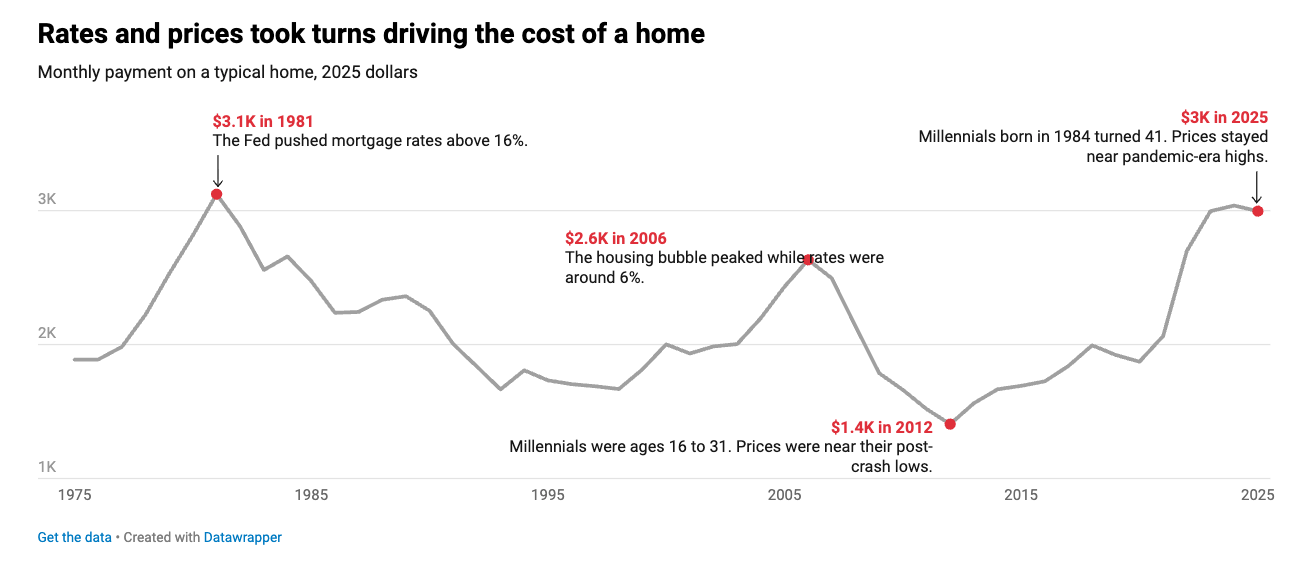
We’ve all heard the debate about whether millennials or baby boomers had it harder when it came to buying a home. Boomers faced mortgage rates of about 16% in the early 1980s, while millennials have dealt with soaring home prices. But a new Redfin analysis suggests the answer isn’t so simple. In fact, some millennials initially had it better than boomers did at the same age. The real difference came down to when they purchased their homes.
|
Millennials who bought in their early 30s benefited from historically low mortgage rates and higher household incomes, spending roughly 27% of their income on housing compared with 36% for boomers at the same age. But everything changed when home prices surged, and mortgage rates climbed after the pandemic. Since 2022, older millennials have spent as much as 35% of their income on mortgage payments, compared with roughly 25% for boomers their age. And while millennials generally earn more than boomers did when adjusted for inflation, higher housing costs have largely erased that advantage.
What I find most interesting is how dramatically timing has shaped the financial position of both generations. Boomers who purchased when rates were high had decades of opportunities to refinance as rates declined. Millennials who locked in rates around 3% before 2022 are in a very different position from those who purchased later or haven’t been able to buy at all. That divide could continue influencing who can afford to enter the market, who feels comfortable moving, and how much financial flexibility homeowners have for years to come.
What this means for the market: 🔒 Mortgage rate lock-in could continue limiting inventory: Homeowners with historically low rates may be reluctant to sell and take on a substantially higher monthly payment.
💰 Higher incomes aren’t solving affordability: Even though millennials generally earn more than boomers did at comparable ages, rising home prices and borrowing costs have consumed much of that advantage. 🏠 A growing divide within the same generation: Millennials who purchased before 2022 may have significantly more financial flexibility than those who bought later or remain renters. |
|
|
|
Have you ever gone more than three months without closing a deal? |
|
|
|
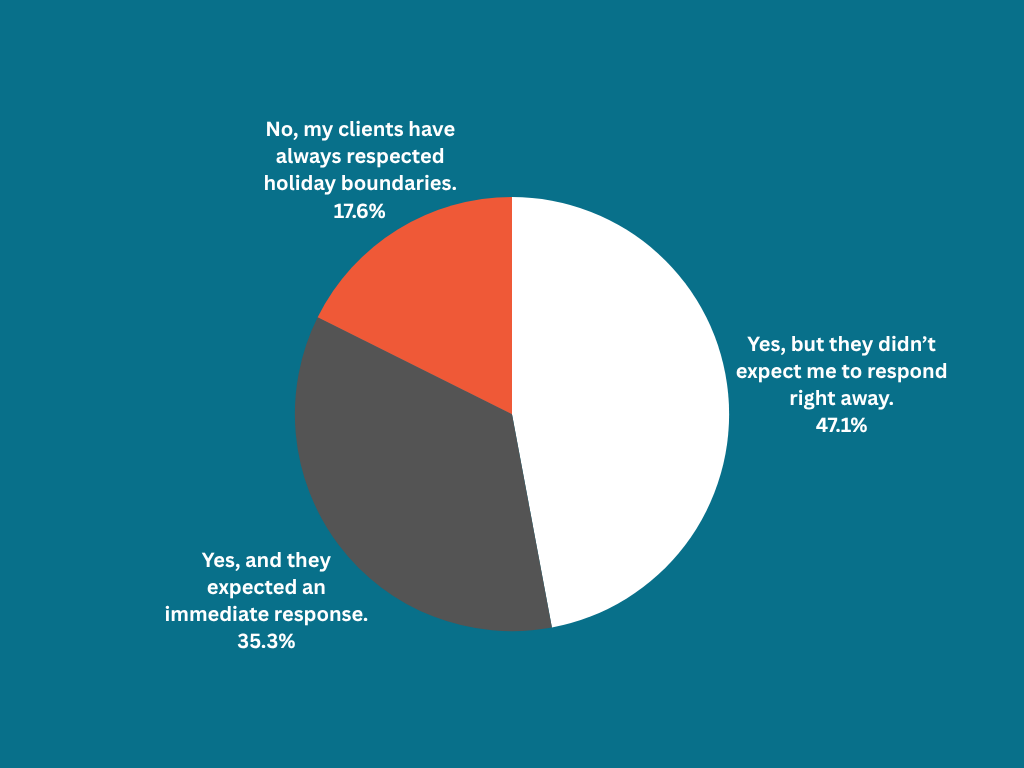
Have you ever had a client contact you about real estate on a major holiday? |
|
|
|
We’ve all seen a house that needs some work and thought about how much potential it has. Maybe it’s an outdated kitchen, an awkward floor plan, or a property that hasn’t been renovated in decades. For real estate investors, finding a fixer-upper at the right price can create an opportunity to renovate and resell for a profit. But there’s a big difference between recognizing a property’s potential and knowing whether it’s actually a good investment. A house might look like an incredible opportunity until you start adding up the costs of turning it into something buyers want.
|
For investors considering fix-and-flip properties, finding the right house is only the beginning. You also need to understand what buyers in that market want, which renovations will increase resale value, and how much the work will cost. A beautifully renovated home isn’t necessarily a profitable flip if you’ve spent more than buyers are willing to pay. Before purchasing, research comparable sales, estimate the property’s after-repair value (ARV), get realistic contractor estimates, and leave room in your budget for unexpected expenses. The goal isn’t to create the nicest house on the block. It’s to create a property buyers want at a price that leaves you with a worthwhile return.
Financing is another important piece of the equation. Investors have several options, including hard money loans, bridge loans, and other short-term financing designed for renovation projects. Some lenders can finance both the purchase and renovation costs, but interest rates, fees, funding timelines, and repayment terms can vary considerably. Investors are already turning to our guide of the best fix-and-flip loans to compare their options, proving that finding the right financing is a crucial part of planning a successful flip.
|
What investors should consider: |
-
Property condition: A home that needs cosmetic updates is a very different investment from one requiring major structural repairs.
- Neighborhood expectations: Renovations should match what buyers expect and are willing to pay for in that particular market.
- Project timeline: Every additional month of renovations or marketing can increase financing, insurance, tax, and utility costs.
|
Your Move This Week: 🔨 Connect with a local contractor. 🔍 Identify properties that have flip potential. ⚖️ Compare cosmetic renovation opportunities with major rehabilitation projects. |
|
|
|
The Agent Takeaway:
NAR reports that a record 92% of home sellers used a real estate agent, showing that even with more technology and resources available, sellers still recognize the value of professional guidance. For agents, this is an opportunity to reinforce what you bring to the table beyond listing a property. Highlight your pricing expertise, marketing strategies, negotiation skills, and ability to navigate complicated transactions. Sellers have more information at their fingertips than ever, but they still need someone who can turn that information into a successful sale.
|
|
|
|
When agents consider joining a brokerage, commission splits are often one of the first things they look at. But what happens after they join? Are they getting the training, technology, marketing assistance, and support they need to actually grow their businesses? Brokers should be thinking about what they’re offering agents beyond a place to hang their license. After all, a competitive commission split might get an agent’s attention, but the services and support they receive can play a major role in whether they stay.
|
I recently wrote an article on 10 real estate brokerage services that can help attract and retain agents, including lead generation support, marketing resources, mentorship, onboarding, and safety programs. These are the kinds of offerings brokers should be evaluating regularly. And remember, not every agent needs the same support. A newly licensed agent might value hands-on mentorship, while an experienced agent could be more interested in marketing assistance, advanced technology, or opportunities to grow a team.
I’d encourage brokers to take a closer look at what their brokerage currently provides and whether agents are actually using those services. Are there resources agents don’t know exist? Are you spending money on technology nobody uses? Are agents asking for support you aren’t offering? Use the guide as a starting point to identify opportunities to improve your brokerage’s value proposition. You don’t necessarily need to offer everything, but you should be able to explain what makes your brokerage worth joining and, more importantly, worth staying with.
What’s working right now: |
- Ask agents what they want: Survey agents about which services they value most, what they’re using, and where they need additional support.
- Evaluate your spending: Identify services that aren’t being used and consider whether those resources could be better invested elsewhere.
-
Make your value clear: Create a simple overview of the services your brokerage provides so current agents and prospective recruits understand what they’re getting beyond their commission split.
|
|
|
|
📉 Mortgage payments hit a six-week low as home prices continue falling: Redfin finds that the median monthly mortgage payment dropped to $2,755, while home-sale prices declined year over year for the fourth consecutive week, offering buyers some relief despite sluggish sales activity.
💸 Nearly 2.4 million homeowners are sitting on $1 million in equity: Homes.com reveals that a record number of homeowners held at least $1 million in equity in the third quarter of 2026, with California accounting for nearly half and Los Angeles leading the nation.
🎄 A homeowner’s 60,000-light Christmas display sparks an HOA battle: Realtor.com details how a North Carolina homeowner’s elaborate decorations have led to neighbor complaints, alleged HOA violations, and an ongoing lawsuit over lighting restrictions and neighborhood traffic. |
|
|
|
|
Sophia Doyle is a staff writer at The Close and a licensed New Jersey real estate agent with hands-on experience in residential real estate. Sophia brings real-world insight into today’s housing market, combining on-the-ground agent experience with a strong background in communications. She understands the full transaction lifecycle, from lead generation and client relationships to marketing strategy and deal execution. Through her writing, Sophia delivers clear, practical guidance to help agents navigate an evolving industry with confidence and creativity.
|
|
|
|
Advertise in The Close The Close is a TechnologyAdvice business © 2026 TechnologyAdvice, LLC. All rights reserved. TechnologyAdvice, 3343 Perimeter Hill Dr, Suite 215 Nashville, TN 37211, USA |
|
|
|
|