Turkey, stuffing, mashed potatoes, and a side of real estate decisions. Thanksgiving might not seem like the ideal time to think about buying or selling, but gathering with family can bring some housing frustrations to the surface. For agents, the conversations happening around the dinner table could be the beginning of next year’s business. |
And speaking of Thanksgiving dinner, nobody wants a plate with just one thing on it. The same goes for your agents’ lead generation strategies. Relying on a single source of business can leave their pipelines vulnerable when that source slows down. With so many ways to generate leads, brokers should be helping their agents build a more balanced approach to finding their next clients. |
|
|
|
Here's what you need to know today: |
|
|
|
Thanksgiving has a funny way of making people realize their home might no longer be the right fit. Hosting a big Thanksgiving dinner might make someone realize their dining room is too small, their kitchen isn’t functional, or they simply don’t have enough room for everyone. On the other hand, traveling to see family could spark conversations about moving closer to loved ones. And for empty nesters, gathering around a table that used to be full might reinforce that they’re ready for a smaller home with less upkeep.
|
I’ve always thought the holidays are an interesting time in real estate because they can bring these feelings to the surface. Someone who wasn’t thinking about selling in October might start seriously considering it after Thanksgiving. And while that doesn’t necessarily mean they’re ready to list immediately, it could mean they’re starting to think about what they want from their next home. That’s an opportunity for agents to join the conversation before those homeowners start actively searching for representation.
That’s also why I think Thanksgiving marketing should go beyond simply wishing your sphere a happy holiday. My recent article focused on Thanksgiving real estate marketing ideas offers ways to connect with clients during the season, but I’d encourage agents to think about the conversations behind those connections. A thoughtful check-in or a discussion about someone’s changing housing needs could be more valuable than another generic holiday postcard. The goal isn’t to turn Thanksgiving dinner into a listing appointment. It’s to stay connected so that when someone decides it’s time for a change, you’re the agent they think of first.
What this means for agents: 🦃 Pay attention to changing needs: Hosting, traveling, and family gatherings can reveal housing frustrations or priorities that weren’t obvious before.
🤔 Think beyond immediate listings: A homeowner reconsidering their space in November could become a serious seller in the new year. 💬 Start conversations, not sales pitches: Ask how clients are enjoying their homes and whether their needs have changed. |
|
|
|
Have you ever had a client contact you about real estate on a major holiday? |
|
|
|
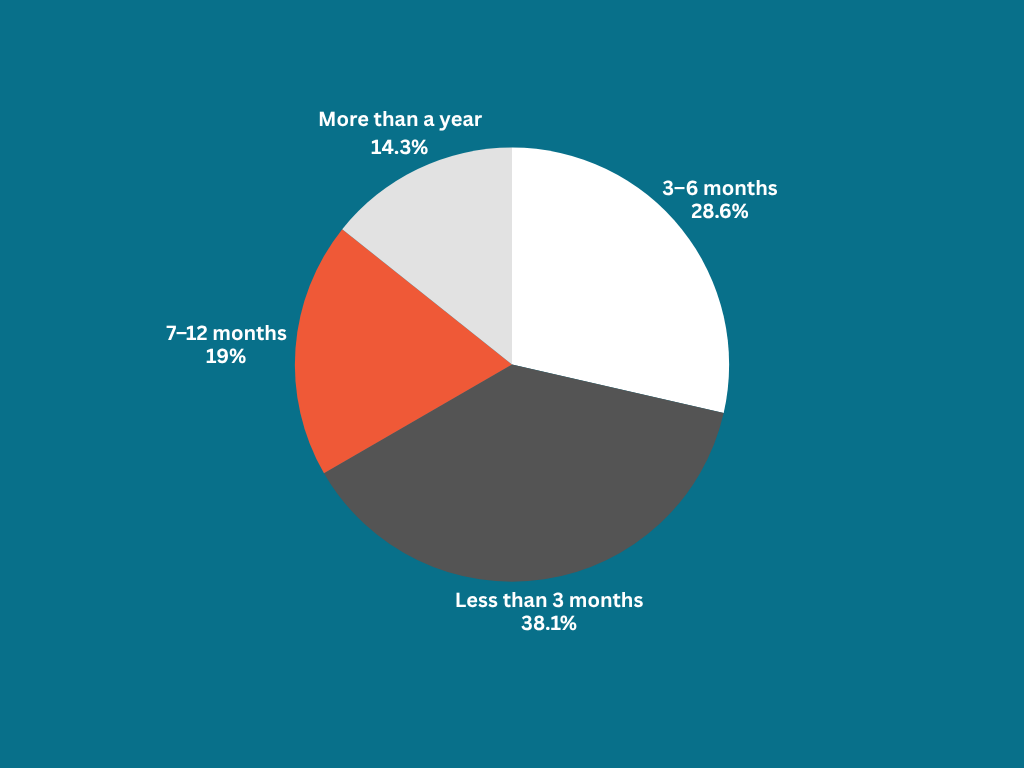
How long did it take you to earn your first commission? |
|
|
|
Thanksgiving travel isn’t just filling family dinner tables. It’s also filling short-term rentals in some unexpected college towns. According to AirDNA’s September 2026 market report, Thanksgiving bookings in Oxford, Mississippi, were pacing 297.2% ahead of last year, while College Station, Texas, was up 173.3%, and Eugene, Oregon, was up 78.8%. What’s driving these increases? College football. Major Thanksgiving-week games are bringing fans, alumni, and families into university towns, creating opportunities for local short-term rental owners.
|
For investors, this highlights an interesting strategy: Look beyond traditional vacation destinations and consider markets where recurring events bring visitors into town. College towns can offer multiple sources of rental demand year-round, including football games, graduation, university events, and visiting families. In smaller communities where hotel accommodations may be limited, short-term rentals can provide an alternative for groups looking to stay together. Unlike a typical vacation destination, these markets have built-in event calendars that investors can use to anticipate demand and adjust pricing.
But there’s a catch. A few profitable weekends don’t necessarily make a good investment. In some college towns, a significant portion of annual short-term rental revenue comes from just a handful of football games. That means investors need to understand what happens when the stadiums are empty. Before purchasing, research local short-term regulations, competing rentals, average occupancy, and how much income a property could realistically generate outside football season. The opportunity isn’t just finding a market with a busy Thanksgiving weekend. It’s finding one with enough demand to support an investment year-round.
What investors should consider: |
- Event-driven demand: College football, graduation, and university events can create recurring opportunities for higher occupancy and nightly rates.
- Local accommodations: Smaller college towns with limited hotel availability may offer opportunities for well-positioned short-term rental properties.
- Year-round profitability: Strong Thanksgiving bookings are encouraging, but investors need to evaluate rental demand and operating expenses year-round.
|
Your Move This Week: 🔎 Research college towns with major Thanksgiving football games.
📅 Compare university event calendars with local short-term rental demand. 💰 Evaluate potential rental income during peak weekends and slower months. |
|
|
|
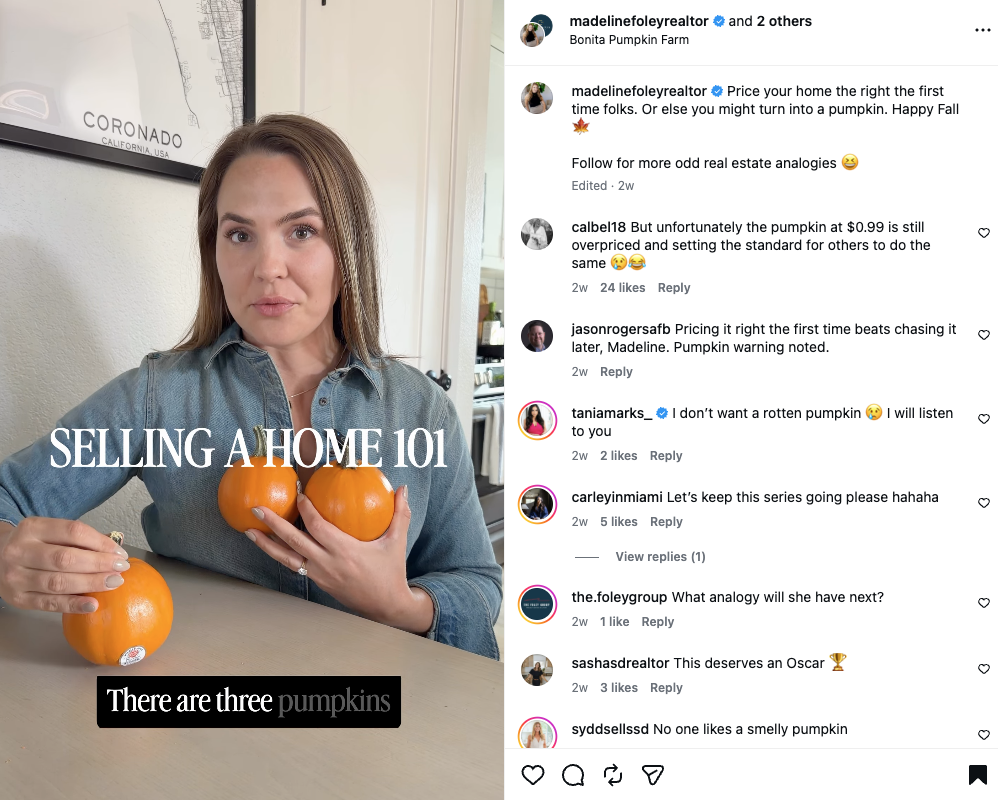
What do three pumpkins have to do with selling a house? Quite a bit, apparently. Realtor Madeline Foley found a creative way to explain one of the most important lessons in real estate with a fall-themed reel titled “Selling a Home 101”. Using three pumpkins, she demonstrates what happens when comparable homes hit the market at different prices. It’s an unexpected visual that immediately makes you curious about where she’s going with it.
The concept is simple. Two pumpkins are priced competitively and sell, while the third insists on a much higher price despite being comparable to the others. As time passes, the overpriced pumpkin sits, begins to rot, and ultimately ends up with nothing. The farmer, who has sold hundreds of pumpkins, had recommended a more realistic price from the beginning. Sound familiar? It’s a playful way to illustrate a conversation agents have with sellers all the time: just because you want a certain price doesn’t mean the market will support it.
|
Screenshot via madelinefoleyrealtor |
What I particularly like about this video is how Foley turns a potentially uncomfortable conversation into something entertaining and easy to understand. Pricing can be an emotional topic for sellers, especially when their expectations don’t match what comparable homes are selling for. Rather than simply telling homeowners to trust their agent, she uses a visual analogy to show why that expertise matters. By tying the lesson to fall, she makes the content feel timely and relevant rather than another generic real estate tip.
The broader marketing lesson is that educational content doesn’t have to be boring or complicated to be effective. Agents are constantly explaining pricing, negotiations, inspections, and other parts of the transaction that consumers may struggle to understand. Finding a creative way to illustrate those concepts can make the information more approachable and memorable. Foley isn’t just entertaining viewers with pumpkins. She’s demonstrating her knowledge, reinforcing the value of professional pricing advice, and giving potential sellers a reason to remember her when it’s time to list.
|
|
|
|
Think about your Thanksgiving dinner table. You’ve got the turkey, mashed potatoes, stuffing, cranberry sauce, and plenty of other dishes. Now imagine showing up, and there’s only turkey. That’s not much of a Thanksgiving feast! The same idea applies to the lead generation advice brokers give their agents. If every office meeting revolves around calling your sphere, asking for referrals, or hosting more open houses, agents are getting the same strategies over and over again. Those methods absolutely work, but brokers should also introduce their agents to new ways to find business.
|
And agents are clearly looking for fresh ideas. Our guide to 45 underrated real estate lead generation ideas has already been viewed over 5,000 times. That tells me agents are hungry for strategies they may not have considered before. Maybe your agents have never tried geographic farming, partnering with local businesses, or prospecting a specific niche. Plenty of opportunities exist to get creative, and brokers can help agents explore approaches that fit their personalities, markets, and strengths.
I’d make this a fun exercise at your next office meeting. Instead of another general discussion about generating more leads, have each agent bring one prospecting idea they’ve never tried before. Share the ideas as a group, talk through what it would take to execute them, and have everyone choose one to test. You could even turn it into a friendly brokerage challenge and check back in a few weeks to see what happened. The goal is to give agents something new to bring to the table and make lead generation training a little more engaging.
What’s working right now: |
- Create a prospecting idea exchange: Let agents share creative ways they’ve generated business that others in the office might not have considered.
- Turn ideas into action: Help agents choose one new strategy and create a simple plan for testing it.
-
Keep training fresh: Rotate your lead generation training topics so agents continue learning new approaches rather than hearing the same advice every month.
|
|
|
|
🍂 Fall events can help agents turn clients into lifelong connections: The Close shares ten creative client appreciation ideas for the fall, helping agents strengthen relationships, stay top of mind, and encourage future referrals.
🍗 Buyers and sellers are hitting pause ahead of Thanksgiving: Realtor.com finds that October pending sales fell 10.5% year over year, while new listings dropped 7.5% as rising mortgage rates and the approaching holiday season slowed the housing market.
🍁 Thanksgiving could be the perfect time to make a real estate deal: New American Funding explores how the weeks following Thanksgiving can give buyers more negotiating power as competition slows, while sellers may benefit from fewer competing listings. |
|
|
|
|
Sophia Doyle is a staff writer at The Close and a licensed New Jersey real estate agent with hands-on experience in residential real estate. Sophia brings real-world insight into today’s housing market, combining on-the-ground agent experience with a strong background in communications. She understands the full transaction lifecycle, from lead generation and client relationships to marketing strategy and deal execution. Through her writing, Sophia delivers clear, practical guidance to help agents navigate an evolving industry with confidence and creativity.
|
|
|
|
Advertise in The Close The Close is a TechnologyAdvice business © 2026 TechnologyAdvice, LLC. All rights reserved. TechnologyAdvice, 3343 Perimeter Hill Dr, Suite 215 Nashville, TN 37211, USA |
|
|
|
|