You know who doesn’t care how much your buyer loves a house? The appraiser. Buyers and sellers can agree on a price, shake hands, and start planning their move, but one appraisal can throw the whole deal into question. And now, with new appraisal reporting requirements taking effect, agents have another reason to make sure their clients understand this often-overlooked part of the transaction. |
And speaking of getting results that aren’t quite what you expected, AI can be guilty of that, too. Sometimes the problem isn’t the tool itself, but how you’re asking it to help. The Neuron Academy’s Better Prompts for Better AI Results course shows you how to ask better questions and give AI clearer instructions so you can get more useful, accurate, and relevant responses for your real estate business.
|
|
|
|
Here's what you need to know today: |
|
|
|
Appraisals are one part of the real estate transaction that buyers and sellers often underestimate. In my experience, many clients don’t fully understand how they work or how much they can affect a deal, especially in competitive markets where buyers are offering above asking price. And now, the appraisal process itself is changing. As of November 2nd, a new appraisal reporting standard, UAD 3.6, became mandatory for new appraisal submissions. The goal is to create more detailed, standardized reports that could eventually speed up the process and reduce certain closing costs.
|
But here’s why agents need to pay attention. When an appraisal comes in below the agreed-upon purchase price, it can create a financing gap that buyers and sellers have to resolve before closing. Buyers may need to bring additional cash, sellers may have to negotiate the price, or the transaction could fall apart. While the new reporting system could eventually reduce delays, the transition is already creating additional costs. Realtor.com reports that modernized appraisals may cost borrowers closer to $850 compared with approximately $550 for older reports in some cases.
For agents, this is a reminder that the appraisal conversation should happen well before the appraisal is ordered. Buyers need to understand that offering more doesn’t necessarily mean a lender will support that price, while sellers should know that the highest offer isn’t always the strongest if financing becomes an issue. Agents should also be prepared to provide accurate information about renovations, upgrades, and property features that appraisers may need under the new system. A little education early in the transaction can prevent expensive surprises later.
What this means for agents: 💬 Explain appraisals early: Make sure buyers and sellers understand the difference between an agreed-upon purchase price and an appraised value. 💰 Prepare clients for appraisal gaps: Discuss potential outcomes before buyers make aggressive offers or sellers accept them. 🔎 Evaluate offers beyond price: Financing strength, available cash, and appraisal-related contingencies can matter just as much as the highest offer. |
|
|
|
How long did it take you to earn your first commission? |
|
|
|
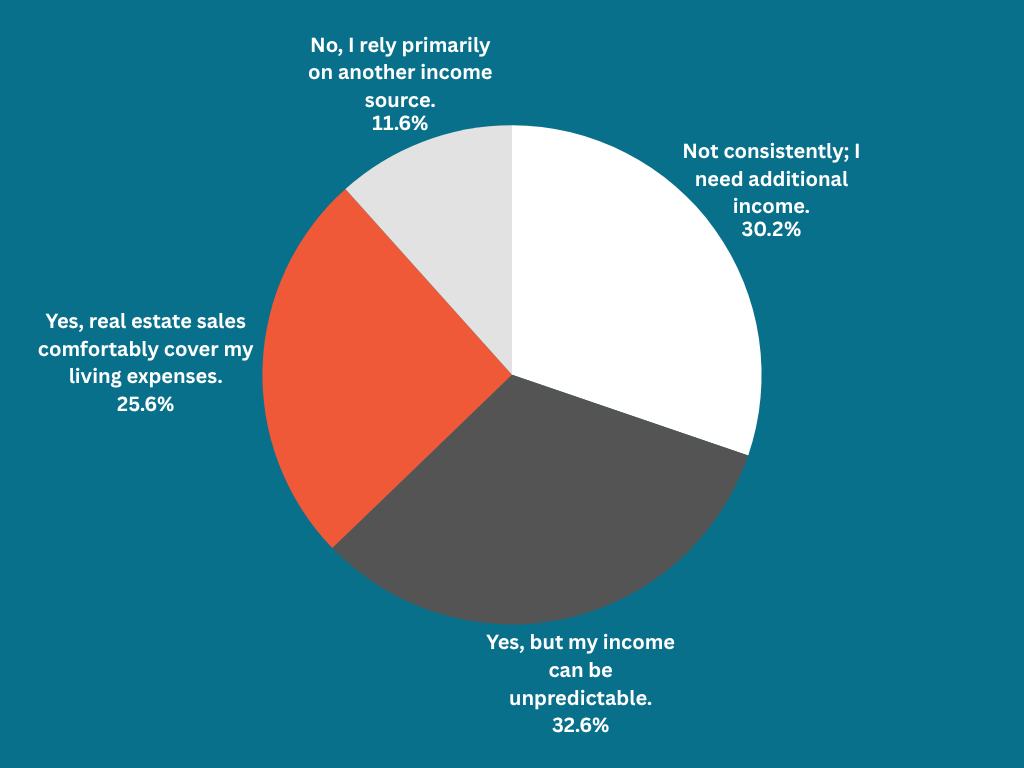
Do you earn a livable income from real estate sales alone? |
|
|
|
What if your next rental investment could generate more income while helping address a housing need? Sober living homes, which provide substance-free, supportive housing for people in recovery from addiction, are an alternative investment strategy worth exploring. One investor featured by Realtor.com purchased a seven-bedroom property in Worcester, Massachusetts, for $360,000 and eventually generated approximately $13,000 in monthly revenue, with $5,000 in monthly cash flow after expenses. While those results aren’t typical or guaranteed, they should show how a property’s income potential can change depending on how it’s used.
Unlike traditional rentals, where one household typically rents an entire property, sober living homes generally accommodate multiple residents who pay individually. That can create additional income opportunities, particularly for investors with larger homes or properties that could accommodate shared living arrangements. There’s also a community benefit: providing stable housing for people transitioning from addiction treatment into independent living. For investors, the opportunity isn’t just collecting more rent. It’s identifying an underserved housing need and finding a responsible way to meet it.
However, sober living homes aren’t as simple as adding more tenants to a rental property. Investors need to understand applicable housing laws, safety requirements, insurance, operating costs, and the responsibilities involved in supporting residents. Building relationships with experienced recovery housing operators can also be important. Investors who don’t want to manage a residence themselves may consider leasing to a qualified operator instead. The key is making sure the investment works financially while providing a safe, supportive environment for residents.
What investors should consider: |
- Property potential: Larger homes with multiple bedrooms and shared living spaces may offer opportunities for recovery housing.
- Rental income: Multiple residents can create additional revenue potential, but investors need to account for vacancies, maintenance, and higher operating expenses.
-
Experienced operators: Partnering with an established sober living organization may allow investors to provide housing without managing the residence themselves.
|
Your Move This Week: 👀 Review local requirements and applicable fair housing protections.
🏠 Identify larger properties that can accommodate shared living. 💡 Consider alternative uses for properties that aren’t performing well as traditional rentals. |
|
|
|
The Agent Takeaway:
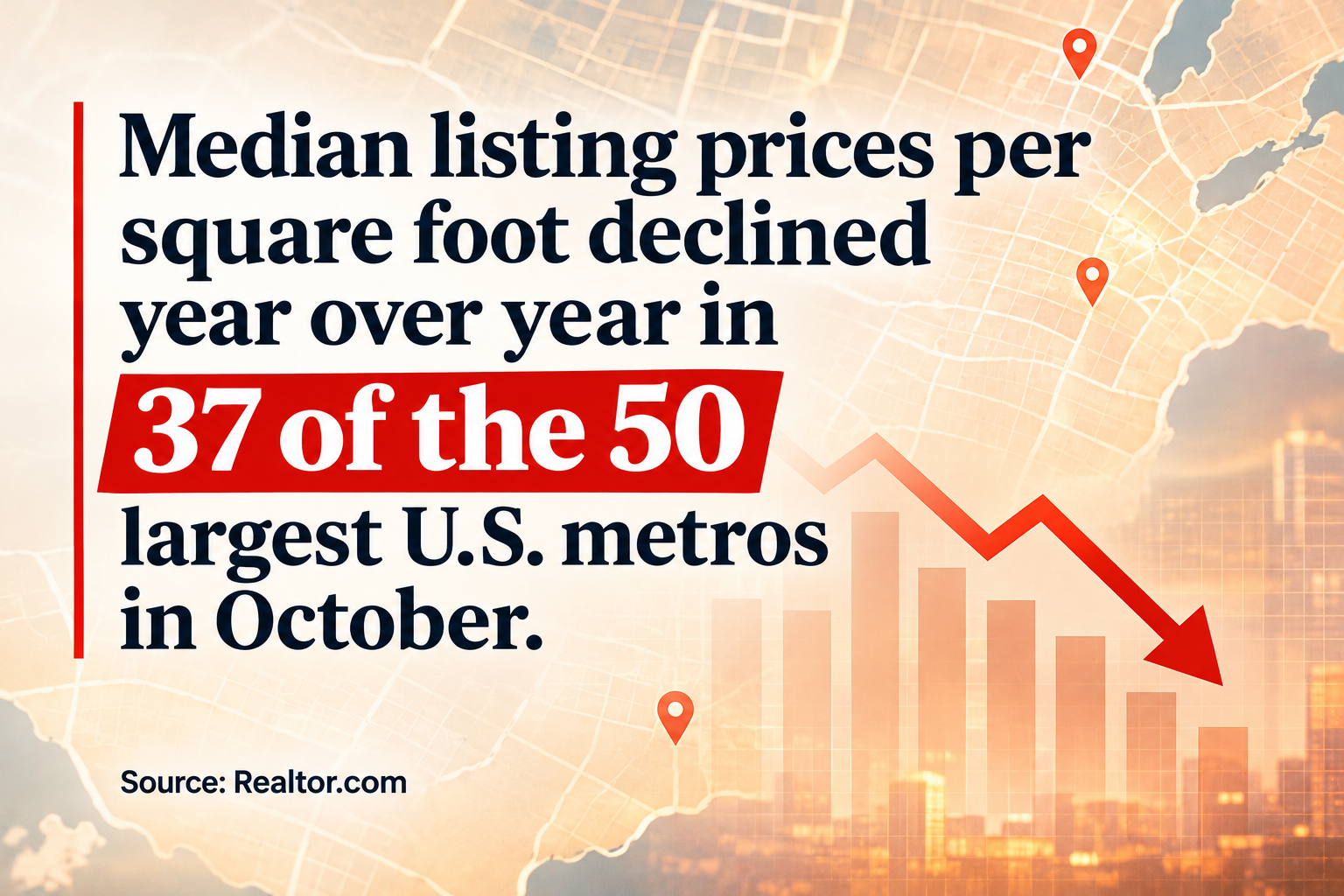
Realtor.com reports that median listing prices per square foot declined year over year in 37 of the 50 largest US metros in October. With prices falling across so many markets, agents should be prepared for sellers who may still be expecting last year’s prices. This is a good opportunity to revisit how you’re pricing listings and presenting comparable properties. Look beyond the overall asking price and consider price per square foot, recent sales, property condition, and competing listings when recommending a price. For buyer’s agents, these declines could also create opportunities to negotiate, especially on homes that have been sitting on the market.
|
|
|
|
Zillow and real estate have practically become synonymous. For agents, it’s one of the first places they think of when it comes to listings, advertising, and generating leads. And while Zillow can certainly be a valuable tool, it shouldn’t automatically be the only option agents consider. If your agents think Zillow is the end-all, be-all of real estate platforms, they could be putting themselves at a disadvantage by overlooking other opportunities to market listings, reach buyers, and generate business.
|
Agents are already looking beyond Zillow; our guide of Zillow alternatives, which compares other listing platforms and lead generation sources, has been viewed by more than 3,000 curious agents. That tells me there’s interest in understanding what else is available, and it’s a conversation brokers should be having with their agents. Agents may be familiar with Zillow simply because it’s so widely used, but that doesn’t mean they’ve taken the time to compare it with other platforms or determine which option makes the most sense for their business.
I’d bring this up at your next office meeting and ask agents what platforms they’re using, what they’re spending, and what results they’re actually getting. Walk through some alternatives and discuss how different platforms might support different goals, whether that’s increasing listing exposure, attracting buyers, or generating leads. The goal isn’t to convince agents to stop using Zillow. It’s to make sure they’re making informed decisions instead of relying on a platform simply because it’s the one they know best.
What’s working right now: |
- Audit your agent’s current platforms: Ask which websites and lead generation services agents use, what they’re spending, and whether those platforms are producing actual clients.
-
Compare the alternatives: Use our Zillow alternatives guide to compare platforms, including their audiences, features, costs, and potential benefits.
- Track what actually works: Encourage agents to measure leads, appointments, closings, and return on investment across platforms rather than assuming the most recognizable name is always the best choice.
|
|
|
|
🧓🏻 Older buyers are gaining the upper hand in today’s housing market: NAR reports that the median age of repeat buyers is 62, with 30% paying all cash as years of home equity growth give older Americans a major advantage over first-time buyers.
🛥️ Billionaires are running out of places to park their megayachts: Realtor.com highlights how a shortage of superyacht docking space is fueling luxury real estate development in South Florida, with developers investing billions in waterfront communities with private marinas.
💵 Inherited wealth is giving first-time buyers a leg up: Homes.com reveals new NAR data showing that a record 10% of first-time buyers used an inheritance for their down payment, while another 10% purchased their homes entirely with cash. |
|
|
|
|
Sophia Doyle is a staff writer at The Close and a licensed New Jersey real estate agent with hands-on experience in residential real estate. Sophia brings real-world insight into today’s housing market, combining on-the-ground agent experience with a strong background in communications. She understands the full transaction lifecycle, from lead generation and client relationships to marketing strategy and deal execution. Through her writing, Sophia delivers clear, practical guidance to help agents navigate an evolving industry with confidence and creativity.
|
|
|
|
Advertise in The Close The Close is a TechnologyAdvice business © 2026 TechnologyAdvice, LLC. All rights reserved. TechnologyAdvice, 3343 Perimeter Hill Dr, Suite 215 Nashville, TN 37211, USA |
|
|
|
|