Would you buy a house if the neighbors were guaranteed to be ‘dead’ quiet? Apparently, some buyers would! Homes next to cemeteries might not be everyone’s dream location, but they’re attracting buyers who see advantages others might overlook. It’s a good reminder that one person’s dealbreaker could be another person’s selling point. |
And speaking of seeing a property’s potential, how you market it can make all the difference. That’s something I recently explored in a course I taught for The Neuron Academy, ‘Turn One Listing Into a Full AI Marketing Kit’. I walk through how agents can use AI to turn a single listing into multiple marketing materials, from property descriptions to social media posts and client emails, helping you get more mileage out of every listing without starting from scratch.
|
|
|
|
Here's what you need to know today: |
|
|
|
I know spooky season is officially behind us, and we’re moving on to Thanksgiving and Christmas, but when I came across this story, I couldn’t resist sharing it. Apparently, some homebuyers are embracing properties next to cemeteries! According to Realtor.com, buyers are finding benefits in these locations, including less noise, well-maintained surroundings, and fewer concerns about future construction. One Nashville broker estimates that homes overlooking cemeteries can spend about 10% longer on the market, but that doesn’t necessarily mean they sell at a discount.
|
What caught my attention wasn’t necessarily the cemeteries; it was how something one buyer considers a dealbreaker can actually be a selling point to someone else. I’ve experienced this firsthand. I once sold a home next to a busy grocery store and assumed buyers would worry about delivery truck noise and traffic. Instead, they loved the convenience. I’ve also listed a property where the neighbor was mid-construction, and while I thought the mess and noise would be a negative, it actually reassured buyers who were happy to see their future neighbors investing in their home rather than letting it fall into disrepair.
This is an important lesson for agents. We spend so much time identifying potential objections that sometimes we forget those same features might be exactly what another buyer wants. A busy location could mean convenience, nearby construction could signal neighborhood investment, and a cemetery could mean peace and quiet. Of course, these features won’t appeal to everyone, but that’s the point. Our job isn’t to decide what buyers should value. It’s to understand what matters to them and help them recognize opportunities they might otherwise overlook.
What this means for agents: 💬 Ask buyers what matters to them: Understanding their priorities can help you identify properties they might otherwise dismiss. 🙂↔️ Don’t assume something is a dealbreaker: A feature that concerns one buyer may be exactly what attracts another. 🔍 Look for the hidden advantages: Convenience, privacy, quiet surroundings, and signs of property upkeep can change how buyers perceive a location. |
|
|
|
How many hours do you typically work per week as a real estate agent? |
|
|
|
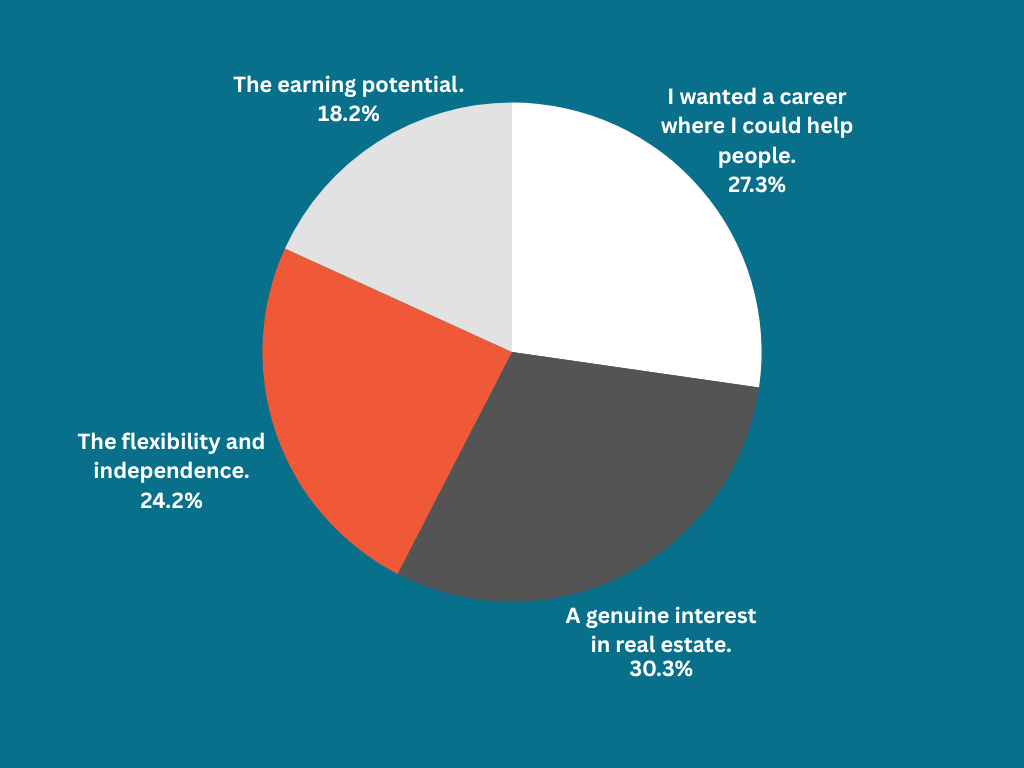
What made you want to become a real estate agent? |
|
|
|
The starter-home shortage may be creating an opportunity for real estate investors willing to look at properties other buyers overlook. With home prices and borrowing costs still straining affordability, many first-time buyers struggle to find homes within their budgets. Meanwhile, vacant, outdated, and distressed properties are sitting in neighborhoods where buyers want to live. A recent report suggests renovating these neglected homes could help bring more affordable housing options back to the market.
|
For investors, this presents an interesting alternative to the traditional fix-and-flip strategy. Instead of buying a property and adding expensive finishes to maximize resale value, consider renovations that make a home safe, functional, and move-in ready for first-time buyers. Think updated kitchens, repaired roofs, working systems, and practical improvements rather than luxury upgrades. Buyers already stretching their budgets may be especially interested in homes that don’t require major repairs after closing.
The opportunity comes down to finding properties where the numbers work. A profitable flip doesn’t necessarily have to be a luxury renovation. Investors who can buy distressed homes at the right price, control renovation costs, and keep the final selling price within reach of local buyers can tap an underserved market. The key is understanding what first-time buyers can actually afford before deciding how much to invest in renovations. What investors should consider: |
- Distressed inventory: Look for vacant, outdated, or neglected properties in neighborhoods with strong demand for entry-level homes.
- Starter-home demand: Research what first-time buyers are buying and what they can realistically afford in your market.
-
Renovation costs: Focus on necessary repairs and practical improvements that make a home move-in ready without pricing out potential buyers.
|
Your Move This Week: 🏚️ Research distressed homes in your market. ⚖️ Compare purchase and renovation costs with local starter-home prices. 👀 Identify neighborhoods with strong first-time buyer demand. |
|
|
|
The Agent Takeaway:
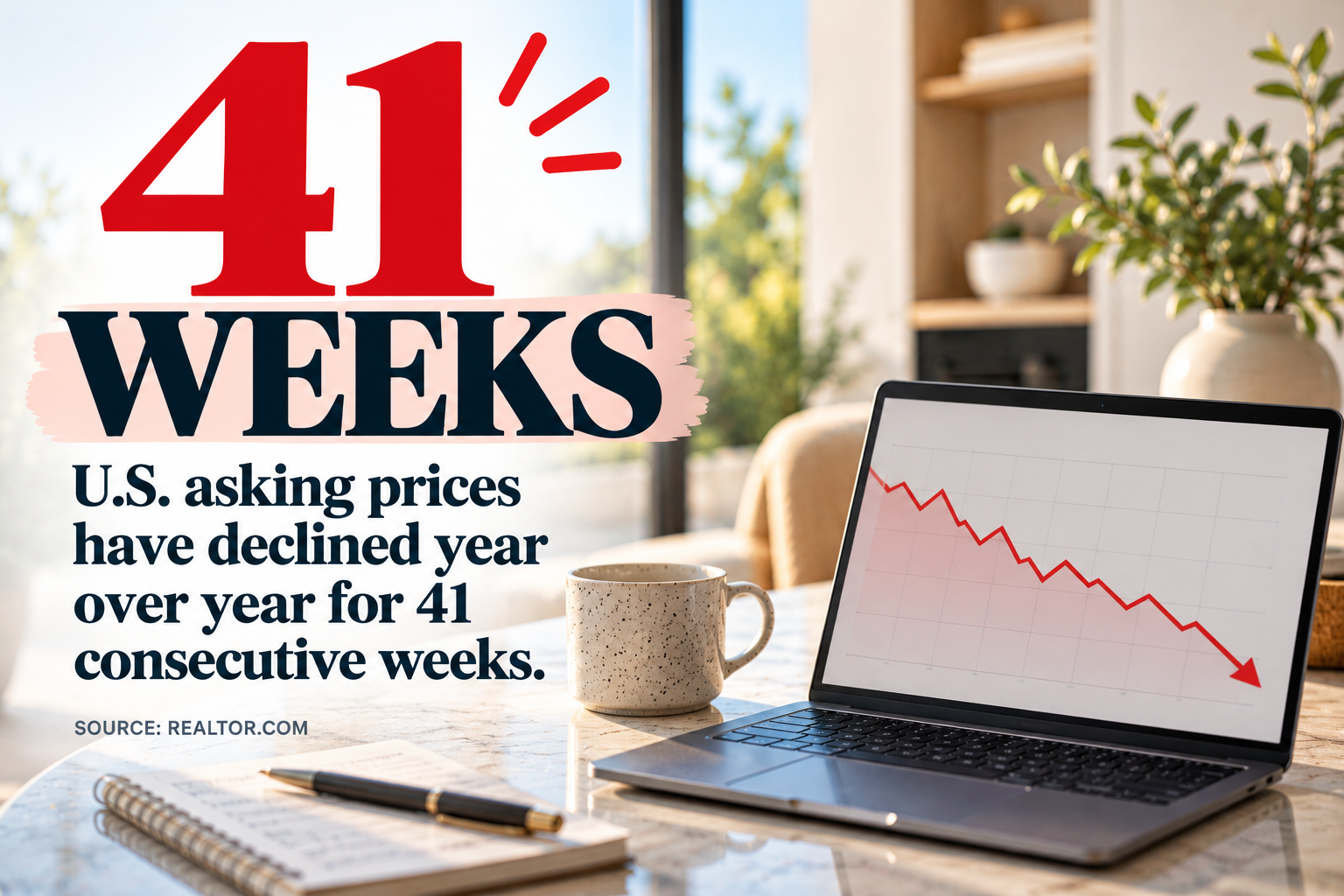
With Realtor.com reporting 41 consecutive weeks of annual declines in asking prices, agents may need to have tough conversations with sellers still expecting peak-market prices. Pricing a home based on what a neighbor sold for a year ago is no longer realistic. Use recent comparable sales, competing listings, and buyer feedback to help sellers understand what their home is worth in today’s market. Setting realistic expectations from the start could mean the difference between a successful sale and a listing that sits for months.
|
|
|
|
Not every prospective agent walking into your brokerage will have their real estate license. In fact, some might still be deciding whether to pursue a career in real estate at all. I know because I was one of them. Before I even enrolled in real estate school, I met with my future team leader and toured the brokerage while I was considering getting licensed. That meeting gave me an opportunity to learn about the business, ask questions, and start building a relationship with the people I would eventually work with.
Once I decided to get my license, my brokerage recommended a real estate school. It might seem like a small gesture, but I remember feeling supported before I was even an agent. Brokers should keep that experience in mind when recruiting. You don’t have to wait until someone is licensed to start building a relationship. Helping prospective agents understand the licensing process, explore education options, and prepare for their careers can make your brokerage stand out before they’re ready to choose where to work.
And there’s clearly interest in finding the right school. We’ve had plenty of aspiring agents looking at our guide to the best online real estate schools, which compares options based on factors such as pricing, course features, and learning experience. Brokers should have a few schools they feel comfortable recommending, including both online and in-person options, depending on how someone prefers to learn. You aren’t just helping someone get started in real estate. You’re building a relationship with a potential future agent and showing them what kind of support they can expect from your brokerage.
What’s working right now: |
- Recruit before they’re licensed: Don’t limit your recruiting efforts to active agents. Make time to meet with people who are considering entering the industry.
-
Build a real estate school resource list: Research reputable, state-approved online and in-person schools so you have options ready when someone asks where to start.
- Invite prospecting agents into your office: Offer a brokerage tour or an introductory meeting where aspiring agents can ask questions and learn what working in real estate actually looks like.
|
|
|
|
🐾 Pets are influencing where Americans buy homes: NAR finds that 16% of recent buyers considered their pets when choosing a neighborhood, prioritizing features like parks, walkability, larger yards, and nearby veterinary services.
🏝️ A private island with an unusual past hits the market for $995,000: Homes.com showcases a Virginia property featuring a former oyster-shucking island, a waterfront home, a 19th-century farmhouse, and nearly 23 acres of land.
💰 HOA fees soar to $2,500 a month: Realtor.com reports that a developer-controlled HOA in North Carolina approved a massive fee increase, with legal expenses and unpaid assessments driving costs higher and threatening residents’ ability to keep their homes. |
|
|
|
|
Sophia Doyle is a staff writer at The Close and a licensed New Jersey real estate agent with hands-on experience in residential real estate. Sophia brings real-world insight into today’s housing market, combining on-the-ground agent experience with a strong background in communications. She understands the full transaction lifecycle, from lead generation and client relationships to marketing strategy and deal execution. Through her writing, Sophia delivers clear, practical guidance to help agents navigate an evolving industry with confidence and creativity.
|
|
|
|
Advertise in The Close The Close is a TechnologyAdvice business © 2026 TechnologyAdvice, LLC. All rights reserved. TechnologyAdvice, 3343 Perimeter Hill Dr, Suite 215 Nashville, TN 37211, USA |
|
|
|
|