There may be a wave of homes headed for the housing market, but will there be enough buyers waiting on shore? The long-predicted “silver tsunami” could finally bring millions of properties back into circulation over the next decade. That sounds like welcome relief for an inventory-starved market, but the types of homes coming available could create an entirely different supply-and-demand problem. |
Before we start sounding any alarms, there’s another set of housing numbers worth putting into perspective. Some homeowners are feeling increasingly squeezed by the cost of ownership, and foreclosure activity is rising. But before anyone compares this to past housing crises, brokers have an opportunity to help their agents separate genuine financial stress from a much scarier narrative. |
|
|
|
Here's what you need to know today: |
|
|
|
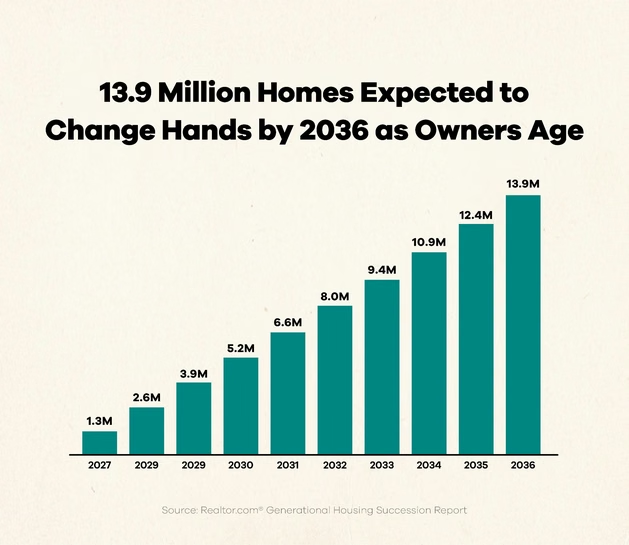
The “silver tsunami” is the idea that as baby boomers and the Silent Generation get older, millions of the homes they currently own will eventually turn over and potentially become available to other buyers. Realtor.com estimates that 13.9 million homes occupied by these generations could turn over between 2026 and 2036. The impact could be substantial: If just 45% of the homes expected to turn over in 2027 were listed for sale, annual listings could return to pre-pandemic levels, assuming everything else remained the same.
|
This may sound like a solution to the inventory shortage, but it could eventually create a different problem: Will there be enough buyers for all of those homes? Nearly three-quarters of the homes expected to turn over are three-or four-bedroom properties, while relatively few are smaller starter homes. At the same time, household growth is projected to slow over the next decade. So the market could add the most inventory in segments with less room to grow, while starter homes remain scarce. Older homeowners downsizing could put even more pressure on the smaller-home segment.
The result could be a much more divided housing market. Some areas could have an abundance of larger homes competing for fewer buyers, while others continue struggling with too few affordable or starter homes. Mortgage rates, population growth, affordability, and the condition of older homes will also determine how easily this new supply is absorbed. The next housing challenge may not simply be how many homes are available, but whether the homes becoming available match the buyers who are actually in the market.
What this could mean for the market: 🏠 The inventory shortage could become more segmented: Some types of homes could move toward oversupply while starter homes remain scarce.
💰 More inventory may not solve affordability: Adding larger or more expensive homes does little for buyers who still can’t afford them. 🔄 Starter homes could remain highly competitive: Younger buyers may increasingly compete with other downsizers for the same smaller homes. |
|
|
|
How important do you think professional photography is to successfully selling a home? |
|
|
|
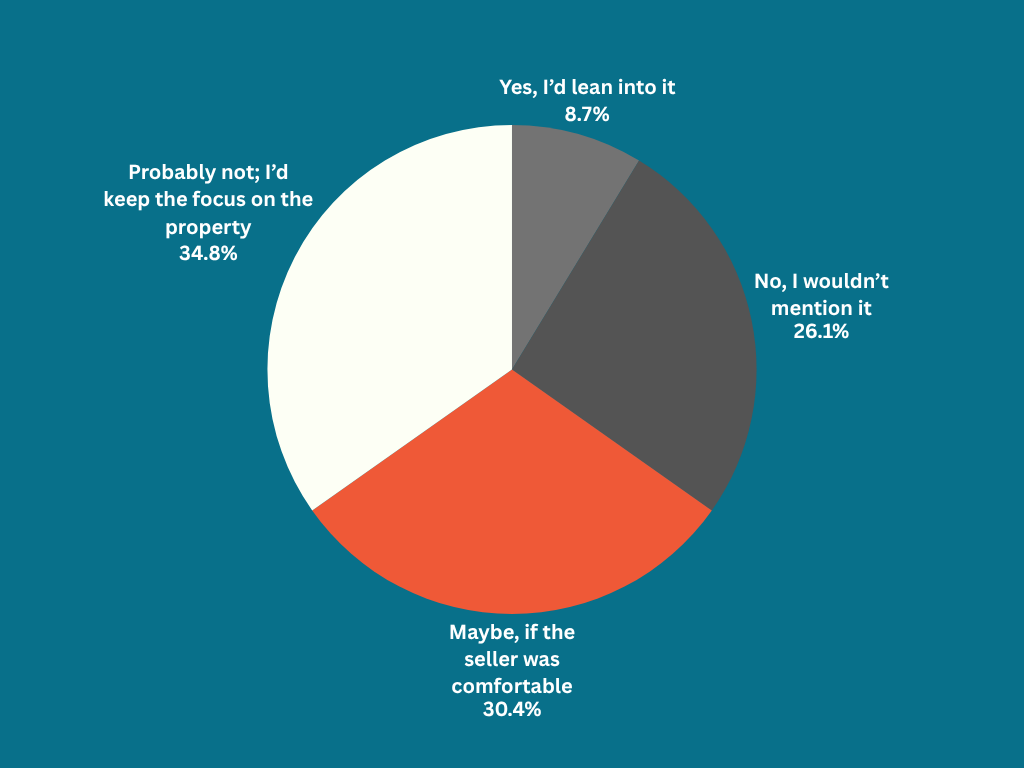
Would you use a home’s rumored haunted history in its marketing? |
|
|
|
Luxury buyers may be looking for more than a bigger house. Bluejack Ranch, a new luxury community outside Fort Worth with a golf course designed by Tiger Woods, is being built around an entire lifestyle. Residents will have access to golf, a dude ranch, pools, pickleball, restaurants, wellness amenities, nature, and activities for multiple generations. Homes start around $1 million, with many expected to sell between $2 million and $4 million.
For investors in the luxury market, there’s an important lesson: pay attention to what wealthy buyers will pay for access, not just what they want inside the house. Privacy, recreation, wellness, outdoor space, exclusivity, and experiences that bring families together can all help differentiate a property. In the right market, a smaller home surrounded by desirable amenities may be more compelling than a larger property that offers little beyond square footage.
That doesn’t mean investors should chase the next golf community. Instead, look at where luxury demand is moving and what is driving it. If buyers increasingly pay premiums for communities that combine housing with experiences, investors can use those preferences when evaluating luxury homes, vacation properties, and emerging high-end markets. What luxury investors are watching: |
- Lifestyle: Access to nature, recreation, wellness, and entertainment can add to a property’s appeal.
- Privacy: Space, security, and exclusivity remain powerful selling points at the high end.
-
Experience: Golf, equestrian facilities, restaurants, clubs, and other experiences can become part of what buyers are actually purchasing.
|
Your Move This Week: 🏌️ Track luxury lifestyle trends. 👀 Watch emerging high-end communities.
💵 Identify what commands a premium. |
|
|
|
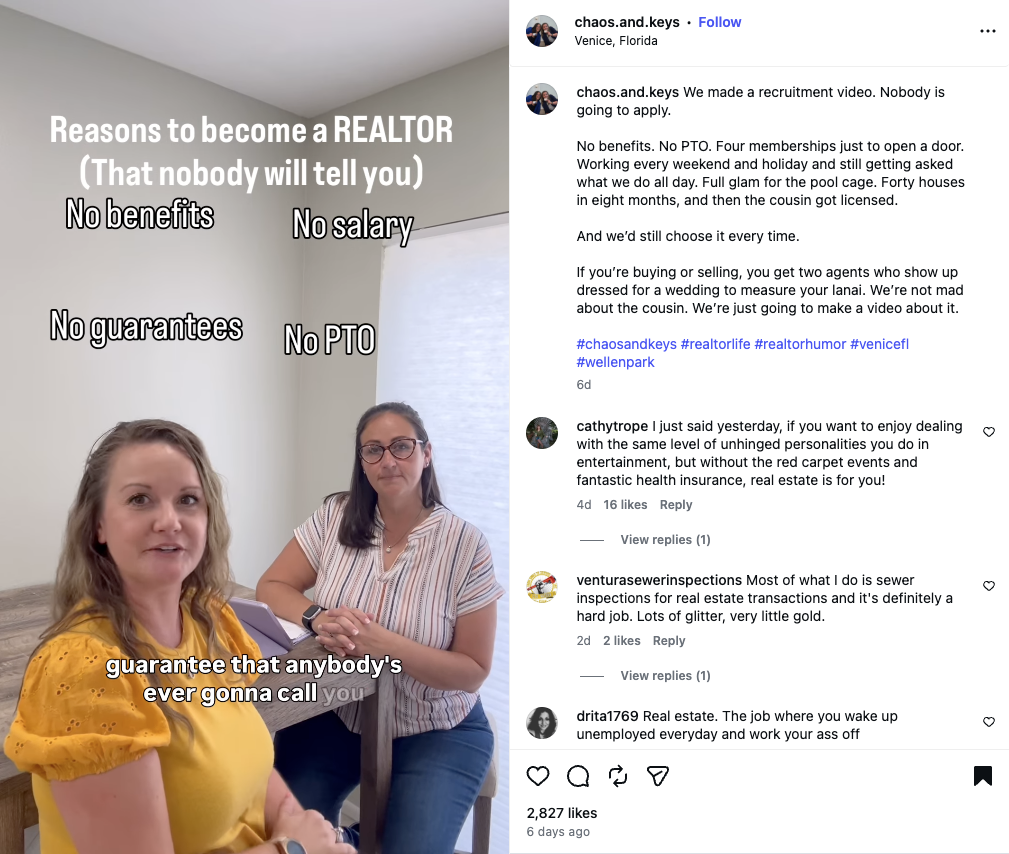
Want a job with no salary, no benefits, no PTO, and no guarantees? Choose real estate. That’s the running joke behind a satirical recruitment video from Chaos & Keys, but what makes it work is how much truth sits beneath the humor. Instead of presenting real estate as a flexible, glamorous career with unlimited earning potential, the two Realtors joke about the parts of the business agents actually experience, from paying for multiple memberships and working weekends and holidays to spending eight months showing someone 40 houses only to find out their cousin just got licensed.
As an agent, I caught myself laughing because I knew exactly what they meant. Giving up weekends or putting months of work into a client with no salary are the kinds of experiences you don’t necessarily hear about when someone describes a career in real estate. That’s why the video connects. Agents watching can recognize pieces of their own careers in the jokes, and Chaos & Keys isn’t trying to sugarcoat any of it.
|
That honesty also allows the video to market to two audiences at once. Buyers and sellers can laugh while getting a glimpse at what agents actually deal with behind the scenes. But another agent watching sees something different: two people who genuinely understand the business. For someone considering joining a brokerage, team, or simply working alongside other agents, there’s something appealing about people who clearly understand the realities of the job rather than selling an idealized version of it.
The broader marketing lesson is that showing the imperfect parts of your business can sometimes create more connection than constantly showcasing success. Real estate social media is filled with closings, awards, listings, and success stories, but those posts only tell part of the story. Chaos & Keys make the difficult parts entertaining without pretending they don’t exist. And after listing every reason someone might question the career, their caption sums it up perfectly: “And we’d still choose it every time.” That honesty may be exactly what makes the recruitment message work.
|
|
|
|
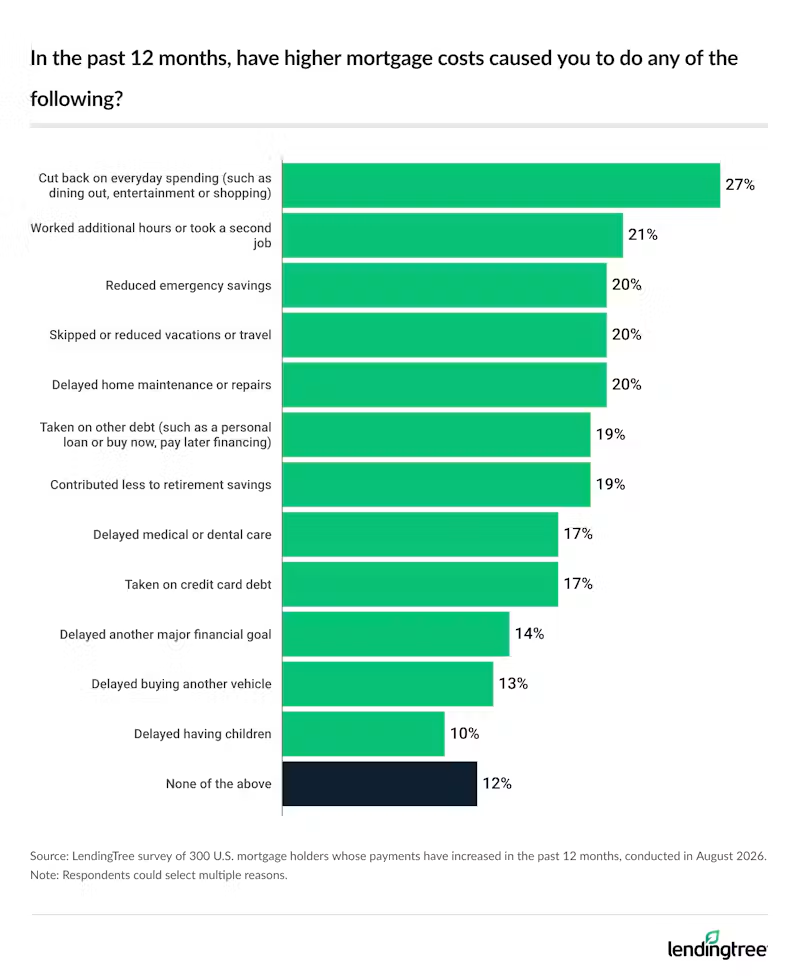
Brokers may want to spend some time preparing their agents for a different kind of homeowner conversation. A recent LendingTree survey found 59% of mortgage holders surveyed consider themselves “house poor,” meaning housing expenses consume most of their income. Half said their mortgage payment had increased over the past two years. At the same time, ATTOM reported that completed foreclosures jumped 42% year over year in August, although overall foreclosure activity remains below pre-pandemic levels.
|
Brokers can help agents understand what’s behind some of this financial pressure. Property taxes, homeowners insurance, and other expenses can increase the cost of owning a home even when mortgage rates haven’t changed. Train agents to listen for signs that homeowners are struggling with carrying costs and know when to point them toward qualified professionals. Selling or downsizing may eventually come up, but agents shouldn’t give financial advice or assume someone is headed toward foreclosure.
I’d also make sure agents understand the foreclosure headlines before discussing them with clients. A 42% increase in completed foreclosures does not mean another 2008-style housing crisis is underway. ATTOM describes what we’re seeing as pockets of financial stress, not widespread distress. Give your agents the context and local information they need to explain what’s happening without unnecessarily alarming clients.
|
|
Want to discuss this with your agents? I put together a Broker Meeting Toolkit with the key states, talking points, discussion questions, and agent guidance you can use to lead the conversation.
|
|
|
|
|
What’s working right now: |
-
Bring the headlines to your office meeting: Put the “59% house poor” and “foreclosures up 42%” numbers on the screen, then explain the context your agents need before discussing either with clients.
-
Train your agents to spot financial stress: Help agents recognize conversations about rising insurance, taxes, HOA costs, missed payments, or difficulty maintaining a home as signals that a homeowner may need information or professional guidance.
-
Pull your local foreclosure numbers: National increases can look very different locally. Give your office the actual foreclosure, default, and distressed-sale picture in the markets your agents serve.
|
|
|
|
🎁 Builders are getting creative with buyer incentives: The Miami Herald highlights builders offering everything from free pools and finished basements to gold carts and travel reimbursements to help new homes stand out.
📈 Hispanic buyers are driving homeownership growth: Real Estate News says Hispanic households accounted for all net growth in US homeownership in 2025, making this an increasingly important buyer group for agents to understand and serve.
🪧 Political signs can complicate a home sale: The NH Journal explores how signs in and around a neighborhood can shape buyer perceptions and even cause some buyers to walk away from a property. |
|
|
|
|
Sophia Doyle is a staff writer at The Close and a licensed New Jersey real estate agent with hands-on experience in residential real estate. Sophia brings real-world insight into today’s housing market, combining on-the-ground agent experience with a strong background in communications. She understands the full transaction lifecycle, from lead generation and client relationships to marketing strategy and deal execution. Through her writing, Sophia delivers clear, practical guidance to help agents navigate an evolving industry with confidence and creativity.
|
|
|
|
Advertise in The Close The Close is a TechnologyAdvice business © 2026 TechnologyAdvice, LLC. All rights reserved. TechnologyAdvice, 3343 Perimeter Hill Dr, Suite 215 Nashville, TN 37211, USA |
|
|
|
|