Your next listing video needs a plot twist. The traditional walk-and-talk property tour isn’t disappearing, but agents are experimenting with comedy, games, pop culture, and other unexpected formats to give consumers a reason to stop scrolling. |
Standing out isn’t just a challenge on social media. Rental investors are facing their own competition for attention. In some markets, simply listing a property and waiting for tenants to show up may no longer cut it, pushing landlords to get more creative about what they’re willing to do to sign a lease. |
|
|
|
Here's what you need to know today: |
|
|
|
Consumers have seen the standard listing video a thousand times: an agent walks through the front door, points out the kitchen, shows the primary suite, and ends in the backyard. Now, agents are finding increasingly creative ways to break that formula.
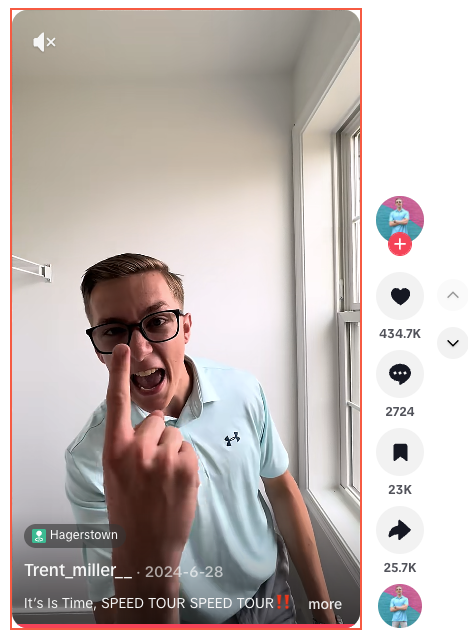
I’ve previously featured an agent turning listing tours into full-blown musicals, and I’ve seen other agents playing hide-and-seek in their listings or literally run through a property for a rapid-fire tour. Gen Z agents, in particular, are gaining attention by turning their listings into comedy sketches and pop-culture parodies. |
The bigger lesson isn’t that every agent needs to start making skits. It’s that consumers have endless content competing for their attention, and another polished property tour may not be enough to stop the scroll. The best creative videos make the home itself part of the idea.
An unusual room can become the punchline, a hidden space can inspire a game, or a distinctive design can set up an entire concept. Agents can still communicate the important property details, but packaging them in an entertaining format can give people a reason to keep watching and remember who posted it.
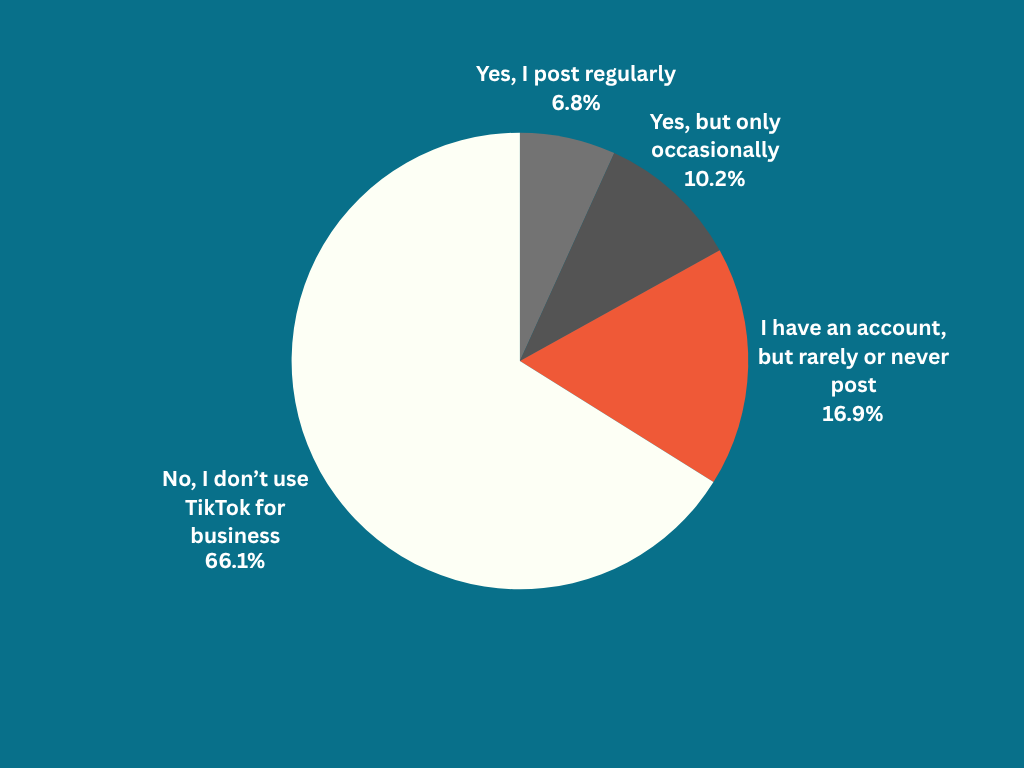
And don’t limit that experimentation to Instagram. As I’ve previously mentioned, only 16% of Realtors use TikTok professionally, compared with 63% of US adults under 30 who use the platform. TikTok isn’t just about reaching Gen Z, either. Diversifying where you post gives your listing and personal brand more chances to reach people who may never see your usual Instagram or Facebook content.
The goal isn’t necessarily to gain a million views. Instead, track profile visits, DMs, showing requests, and actual leads to see whether your creative content is reaching people who could eventually become clients. What this means for agents:
🎬 Rethink the standard property tour: You don’t need a huge production. Start with one feature of the home and ask how you could build a memorable video around it.
😂 Entertainment can still sell: Humor, storytelling, games, trends, and satire can grab attention while still showing the property.
📱 Diversify where you post: Test TikTok alongside Instagram, Facebook, and YouTube rather than assuming your audience is concentrated on one platform. |
|
|
|
Do you use humor in your real estate marketing or personal brand? |
|
|
|
Do you use TikTok for your real estate business? |
|
|
|
Keep your real estate business finances organized without adding another monthly expense. QuickBooks Free is built for solo and new business owners, with no credit card required to get started. Connect a bank account, track income and expenses, send up to two invoices per month, and access core financial reports to better understand how your business is doing. When you need more, you can seamlessly upgrade to a paid QuickBooks plan and keep everything you’ve already built.
|
|
|
|
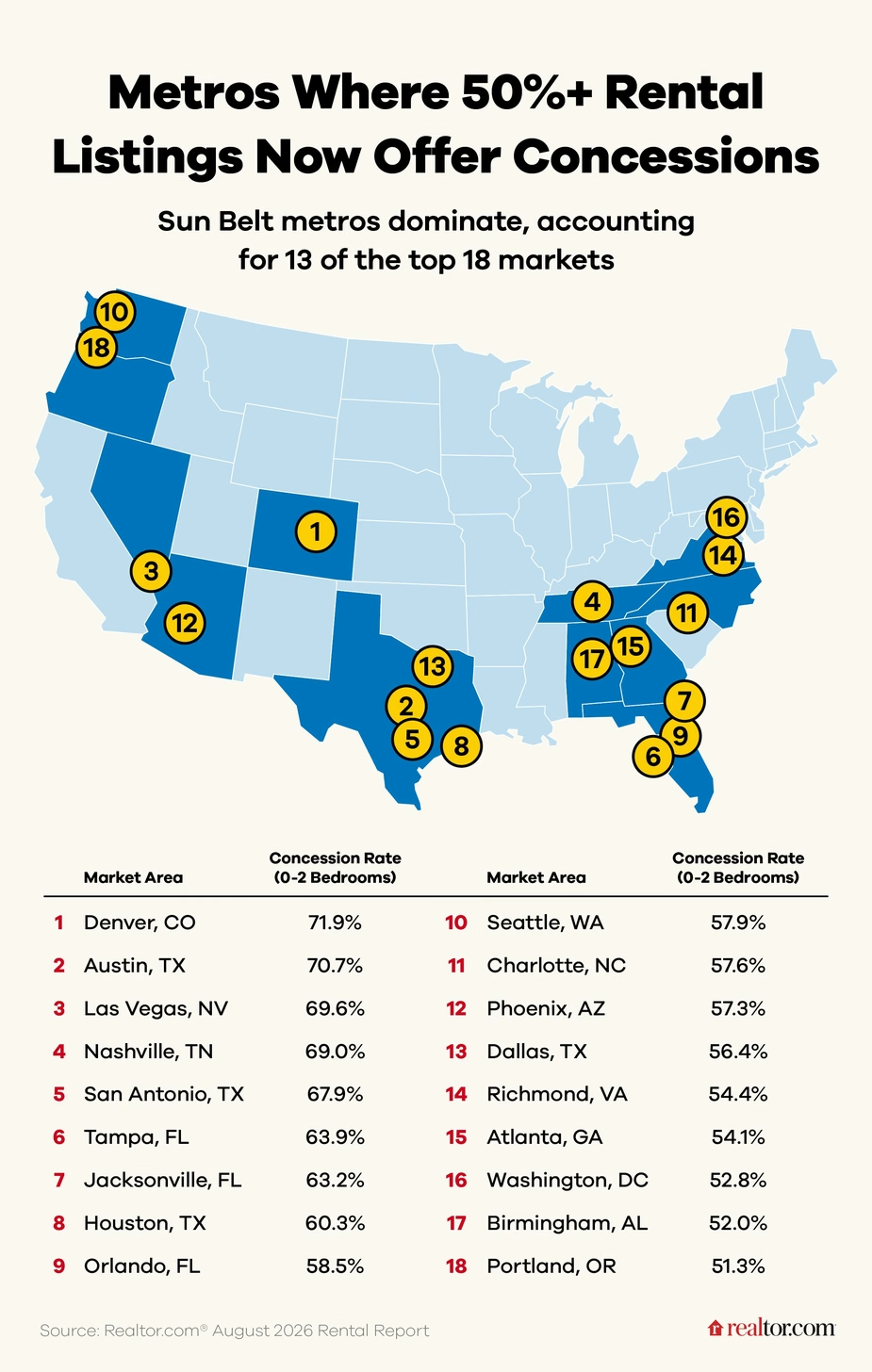
Rental investors may need to get more comfortable offering tenants a deal. In August, 43.5% of rental listings across the 50 largest metros offered some type of concession, up from 40.4% a year earlier, according to Realtor.com. The competition is particularly intense in markets with lots of available rentals. More than two-thirds of listings offered concessions in Denver, Austin, Las Vegas, Nashville, and San Antonio, with Denver nearing 72%.
|
For investors, concessions can be less expensive than letting a property sit vacant, but choosing the right incentive matters. Landlords are using waived or reduced fees, upgraded amenities, free rent, and even moving assistance to compete for tenants. Smaller investors may not be able to match an apartment complex offering several months free, so I’d look for incentives that make a listing more attractive without permanently lowering its economics. A one-time rent credit, reduced application fees, or a useful property upgrade could be easier to absorb than cutting the monthly rent for the entire lease.
More importantly, investors purchasing rentals in these markets should account for concessions before they buy. If competing properties regularly offer a free month, underwriting a deal at full asking rent may overstate what the property can realistically earn. Investors should research local vacancy rates, competing listings, new apartment supply, and current incentives, then calculate whether the property still works after potential concessions and vacancy. Some protections aren’t worth sacrificing: security deposits remain an important safeguard against damage and nonpayment, and I don't recommend sacrificing them.
What investors are prioritizing now: |
- Competitive concessions: Investors should know what nearby landlords are offering before deciding whether a free month, fee reduction, rent credit, or upgrade will make their property stand out.
-
Effective rent: A $2,000 asking rent with one month free doesn’t produce the same first-year revenue as collecting $2,000 for all 12 months. Investors should underwrite what they’ll actually collect.
- Cost of vacancy: Sometimes a carefully chosen concession costs less than leaving a property empty while waiting for a tenant willing to pay full price.
|
Your Move This Week: 🎁 Check competing rental concessions. 🧮 Calculate effective rent. 🔐 Evaluate your landlord protections. |
|
📲 Your Future Clients Are Watching
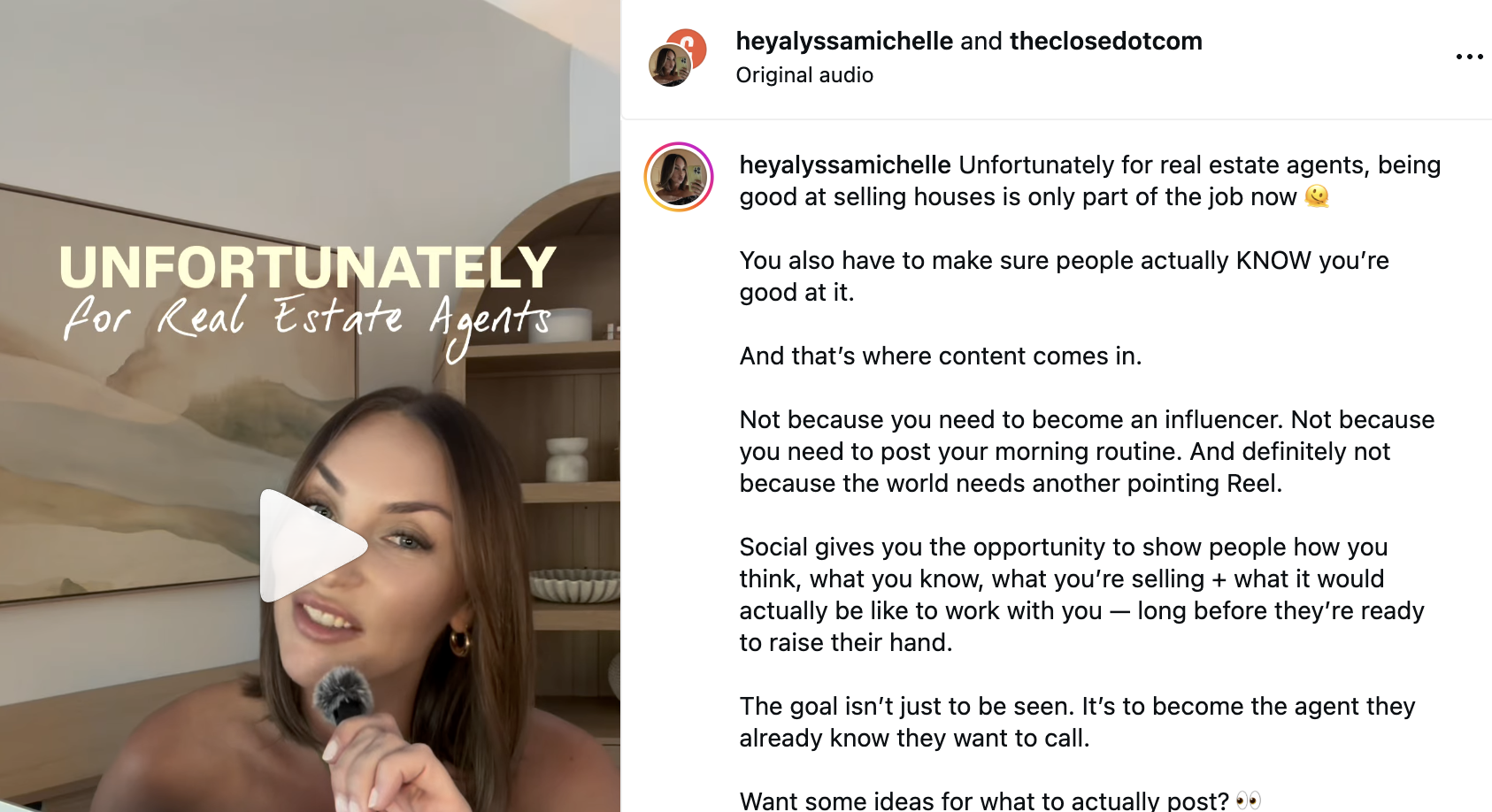
Alyssa Michelle breaks down with The Close why social media isn’t about becoming an influencer. It’s a chance to show future clients what you know and what it would actually be like to work with you, before they ever need an agent.
|
|
|
|
|
|
Here’s an idea you can borrow, tweak, and use this week.
Take some time this week to strengthen your social media presence. If you’re already posting consistently, try something different: comment on other people’s posts or DM five to 10 people in your sphere. Haven’t posted in a while? Start small with a post or Story that reminds your network you’re in real estate. Remember you don’t need to post every day, but when someone visits your profile, it should be clear that you’re an agent and which market you serve. |
|
|
|
Brokers are constantly being told to add more: more technology, more training, more meetings, more marketing, more systems. But more doesn’t always mean better. In a recent NAR piece, RedKey broker-owner Jill Butler shared a leadership philosophy I find extremely useful: “simplify to amplify.” The idea is that a broker’s job isn’t to chase every new trend. It’s to create clarity around what actually helps agents serve clients and grow their businesses.
That means regularly asking what your brokerage can stop doing, not just what it should start doing. Are there meetings that no longer serve a purpose? Are there technologies agents are not using? Is there training that feels repetitive? Processes that have become unnecessarily complicated? Brokers should protect their team’s attention and make sure new initiatives earn their place instead of adding another layer of noise. The strongest brokerages aren’t necessarily the busiest ones. They're the ones where agents understand the priorities, have the support they need, and can focus on relationships, clients, and production. Simplifying operations can create more room for better coaching, stronger conversations, and thoughtful leadership. Sometimes the best thing you can add to a brokerage is less. What’s working right now:
|
- Run a stop-doing audit: Once a quarter, review meetings, software, training, and workflows and identify what no longer deserves time or money.
- Protect agent attention: Before launching a new initiative, ask whether it directly improves client service, agent productivity, or brokerage performance.
-
Simplify your tech stack: Audit overlapping tools and subscriptions so agents aren’t juggling multiple platforms that do the same thing.
|
|
|
|
🕵️ Can real estate skills help you win “The Traitors”? Homes.com talks with two agents competing on the new season about how negotiating deals, reading people, and understanding what others want shaped their strategies on the show.
⚡ House targets data center power costs: Realtor.com says a newly passed bill aims to keep homeowners from footing the bill for grid upgrades tied to large data centers.
🤝 Zillow and Realtor.com team up on pre-market listings: Zillow showcases that its Preview listings are now live on both platforms, giving buyers early access to homes before they officially hit the market. |
|
|
|
|
Sophia Doyle is a staff writer at The Close and a licensed New Jersey real estate agent with hands-on experience in residential real estate. Sophia brings real-world insight into today’s housing market, combining on-the-ground agent experience with a strong background in communications. She understands the full transaction lifecycle, from lead generation and client relationships to marketing strategy and deal execution. Through her writing, Sophia delivers clear, practical guidance to help agents navigate an evolving industry with confidence and creativity.
|
|
|
|
Advertise in The Close The Close is a TechnologyAdvice business © 2026 TechnologyAdvice, LLC. All rights reserved. TechnologyAdvice, 3343 Perimeter Hill Dr, Suite 215 Nashville, TN 37211, USA |
|
|
|
|