Happy Labor Day!
Home insurance might not be the most exciting part of real estate, but it’s impossible to ignore. What was once something buyers often dealt with later in the process is becoming a bigger consideration from the very beginning, with implications for affordability, where people buy, and whether a deal makes sense in the first place. |
And that conversation doesn’t stop with homebuyers. Agents and brokers are having to think differently about when insurance enters the transaction, while investors have another expense and layer of risk to consider when evaluating a property. |
|
|
|
Here's what you need to know today: |
|
|
|
Nearly 20 months after the Palisades Fire, rebuilding is underway, but insurance remains one of the biggest obstacles keeping some residents from returning home. Of the nearly 5,500 homes destroyed, only 39 have received certificates of occupancy as of late August, according to Homes.com. Residents with standing homes are also fighting over remediation costs, while those rebuilding can face slow or uncertain payouts, making it difficult to determine what they can actually afford to rebuild.
|
And while the Palisades is an extreme example, insurance is becoming a housing market issue far beyond disaster zones. Home insurance premiums rose in 95% of US ZIP codes between 2021 and 2024, according to Insurance.com, and one-third saw increases greater than 30%. Some of the largest increases weren’t in California or Florida: premiums jumped 59% in Utah and 50% in Illinois. Another recent survey found 70% of homeowners report that insurance plays a bigger role in their housing decisions than it did five years ago.
For buyers, that can change the math of a purchase or stop one altogether. Insurance.com found that among people who encountered insurance issues while buying or selling, 16% backed out of a purchase because of insurance costs, and 21% had a home sale fall through because of it. Because most mortgage lenders require homeowners insurance, a buyer doesn’t just need to qualify for the mortgage anymore. The property needs coverage the buyer can find and afford. That makes getting an insurance quote early increasingly important, even when the home isn’t in an obvious hurricane, wildfire, or flood zone.
What this means for the market: 💰 Affordability goes beyond mortgage rates: Rising premiums increase the monthly cost of ownership and can push an otherwise affordable home outside a buyer’s budget.
🏠 Insurability is becoming part of a home’s marketability: If coverage is expensive or difficult to obtain, the pool of buyers who can realistically purchase a property may shrink. 📍This isn’t just a disaster-zone problem: Rising insurance costs in places like Utah and Illinois show why buyers across the country may need to investigate insurance earlier in their search. |
|
|
|
What’s your take on branded client gifts? |
|
| |
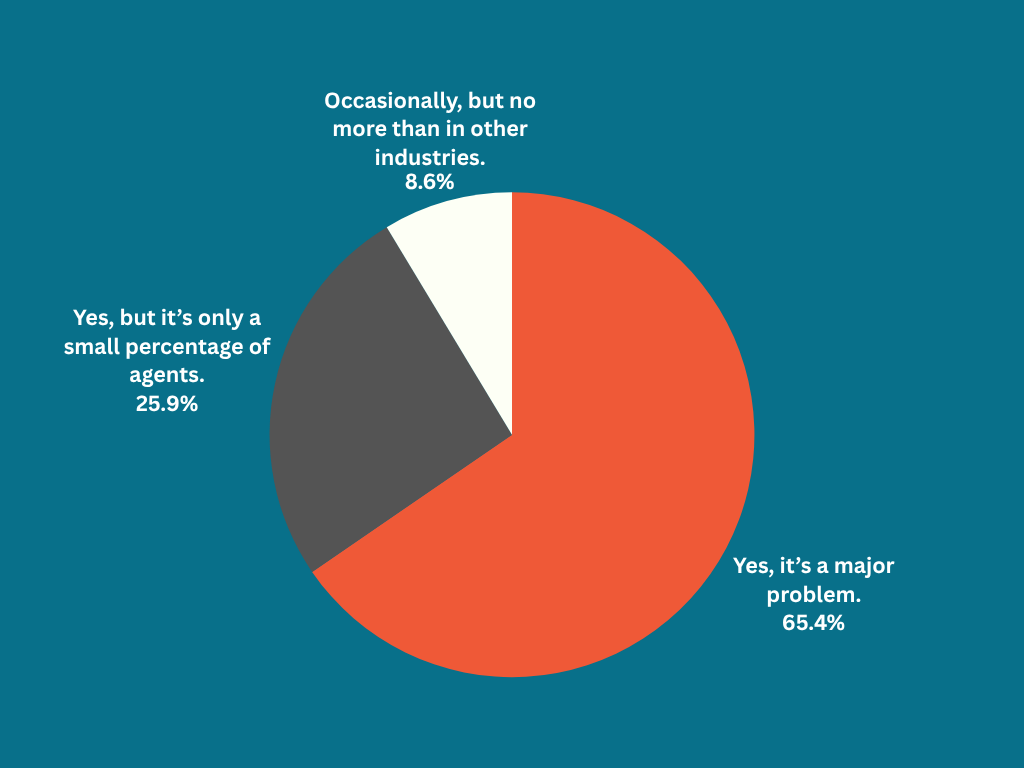
Do you think there is a professionalism problem among real estate agents in your market? |
|
|
|
Insurance is becoming a bigger factor in what and where real estate investors choose to purchase. Vacation homes are a particularly good example, especially in popular coastal and mountain destinations where insurance costs can significantly change the economics of owning a property. From 2018 to 2024, inflation-adjusted average insurance premiums increased in every region studied by the National Association of Insurance Commissioners (NAIC), including more than 43% in the West.
|
For investors, the challenge is that some of the vacation markets with strong rental potential can also carry significant insurance risk. Insurify estimates that $300,000 in dwelling coverage on a secondary home costs about $2,693 annually nationwide, but more than $12,000 in Florida. Availability matters too, with insurer-initiated nonrenewals rising substantially across every region studied by the NAIC. And investors planning to operate a property as a short-term rental (STR) may need additional or specialized coverage, adding another potential expense.
That doesn’t mean vacation homes are no longer worth buying. It means insurance needs to become part of the investment analysis before an offer is made, not after. I recommend getting a property-specific insurance quote and understanding any STR coverage requirements before calculating potential returns. Investors should also consider how premiums could change over time and whether coverage could become harder to obtain. A property with slightly lower rental revenue but affordable, reliable insurance could ultimately be a better investment than the beachfront home with impressive nightly rates.
What investors are prioritizing now: |
- Insurability before purchase: Investors need to know not only what coverage costs today, but whether the property can be reliably insured at all.
- Location versus risk: Some of the most desirable vacation markets can also carry the greatest exposure to hurricanes, wildfires, flooding, and rising insurance costs.
- STR-specific coverage: Investors planning to rent regularly should determine whether they need additional or specialized coverage beyond a standard second-home policy.
|
Your Move This Week: 🗺️ Compare insurance costs across target markets. 📈 Stress-test higher future premiums.
🧮 Calculate investment returns after insurance. |
|
|
|
How much time do you actually spend prospecting each day? And how much time do you spend avoiding it? I recently sat down with ReminderMedia president Luke Acree for an interview, and when I asked how an agent with limited time should prioritize prospecting, he pushed back on the premise. In his experience, agents often have more time than they think. The bigger obstacle is fear of rejection or worrying that reaching out will make them sound salesy.
Acree’s advice is to change the purpose of the conversation. Instead of calling with what he describes as “commission breath,” agents can simply check in, ask how something is doing, and look for opportunities to be helpful. Not every conversation needs to end with a referral request or listing appointment. Consistently having genuine conversations helps strengthen the relationships that can eventually lead to business.
|
That point especially stood out to me because prospecting doesn’t have to mean calling someone and immediately asking if they know anyone looking to buy or sell. A conversation can start because you were thinking about a past client, remembered something happening in their life, or simply haven’t spoken to them in a while. You’re still staying top of mind, but you’re doing it by maintaining a relationship rather than constantly marketing to them.
The broader lesson from my conversation with Acree is that prospecting doesn’t always have to feel like prospecting. When agents stop measuring every interaction by whether it produces an immediate lead, reaching out becomes much easier and more natural. Keep showing up, keep the relationships alive, and when someone eventually needs a real estate professional, you’ve given them plenty of reasons to remember you. |
|
|
|
Insurance is becoming harder for agents to treat as something buyers figure out after they find a home. Nearly one in four US homes faces severe or extreme wind, flood, or wildfire risk. With premiums and nonrenewals also rising, insurance can affect a buyer’s total housing costs and, in some cases, whether a property makes sense for them at all. Brokers should make sure their agents understand that insurance belongs in the conversation earlier in the home search.
That doesn’t mean agents need to become insurance experts. But they do need to understand the basics well enough to know what questions to raise and when to bring in a licensed insurance professional. Train agents to recognize property-level climate risks, understand that flood coverage may be separate from homeowners insurance, review available HOA insurance information, and never assume a seller’s current premium is what a buyer will pay. Most importantly, encourage buyers to get a property-specific insurance quote early rather than waiting until they are deep into a transaction.
For brokers, this is another area where a little education can help agents prevent a much bigger problem later. Build basic insurance and climate-risk education into training, give agents a list of questions they can use with buyers, and establish relationships with insurance professionals agents can refer clients to when appropriate. The goal isn’t for agents to advise clients on coverage. It’s for them to recognize when insurance could affect affordability or the transaction and make sure the client gets answers from the right professional before they commit.
💡 Agent Tip: When you discuss climate risk, insurance costs, or recommend that a client speak with an insurance professional, document that conversation. A CRM gives you one place to keep notes, follow-ups, and client communications so there’s a record of what was discussed. I recommend HubSpot for keeping those conversations organized and making it easier to maintain a clear client history throughout the transaction.
What’s working right now: |
- Insurance checkpoint: Build getting a property-specific insurance quote into the brokerage’s buyer process before clients get too far into a transaction.
-
Run an insurance training: Invite a licensed insurance professional to an office meeting to explain the different types of insurance.
- Train agents on their boundaries: Make sure agents understand the difference between identifying a potential concern and giving insurance advice. Their job is to raise the question and connect the client with the appropriate professional.
|
|
|
|
🎓 College towns are becoming family home bases: The Wall Street Journal explores how wealthy parents are buying multimillion-dollar homes near top universities for their children and increasingly using them as secondary family residences.
🏰 San Francisco has a “mansion shortage”: NPR reports how surging AI wealth is creating fierce competition for the city’s limited supply of luxury single-family homes, with even $25 million all-cash offers getting outbid.
🏈 Travis Kelce buys a $5.35 million Ohio estate: Realtor.com says the NFL star purchased a sprawling 21,000-square-foot lakefront home near where he grew up, securing it for $1.64 million below its original asking price. |
|
|
|
|
Sophia Doyle is a staff writer at The Close and a licensed New Jersey real estate agent with hands-on experience in residential real estate. Sophia brings real-world insight into today’s housing market, combining on-the-ground agent experience with a strong background in communications. She understands the full transaction lifecycle, from lead generation and client relationships to marketing strategy and deal execution. Through her writing, Sophia delivers clear, practical guidance to help agents navigate an evolving industry with confidence and creativity.
|
|
|
|
Advertise in The Close The Close is a TechnologyAdvice business © 2026 TechnologyAdvice, LLC. All rights reserved. TechnologyAdvice, 3343 Perimeter Hill Dr, Suite 215 Nashville, TN 37211, USA |
|
|
|
|