Owning a home comes with plenty of nail-biting moments, from mystery noises to surprise repairs. As costs rise and unexpected expenses pile up, homeownership is starting to feel less like instant stability and more like an ongoing financial pressure test. |
Perhaps that’s one reason wellness is becoming such a powerful force in real estate. As buyers navigate more financial pressure and day-to-day stress, many are placing a great value on homes and communities that support their physical and mental well-being. |
|
|
|
Here's what you need to know today: |
|
|
|
Homeownership is supposed to provide stability, but for many Americans, it’s becoming a major source of stress. A recent survey found that 25% of homeowners say homeownership-related anxiety has a significant negative impact on their quality of life, with younger homeowners reporting the highest stress levels. Gen Z and millennial homeowners were far more likely than older generations to say homeownership is affecting their well-being, sleep, and overall mental health.
|
The reasons for anxiety are not difficult to understand. Many buyers are purchasing homes at historically high prices while navigating elevated mortgage rates, rising insurance premiums, increasing property taxes, and higher maintenance costs. At the same time, the average US home is now 44 years old, leaving many homeowners facing expensive repairs that they may not have anticipated. For some households, the financial reality of homeownership looks very different from what they expected at the closing table.
This highlights an important shift in consumer behavior. Today’s buyers and homeowners are looking for more than a transaction. They’re looking for confidence, guidance, and reassurance. In a market filled with financial uncertainty, agents who help clients understand the true costs and prepare for the realities of homeownership can become invaluable long-term advisors. |
What this means for the agents: |
🧠 Set realistic expectations: Conversations about insurance, maintenance, utilities, taxes, and future repairs should start before closing, not after.
🛠️ Build a homeowner resource network: Buyers don’t stop needing guidance after closing. I personally provide my clients with a list of trusted contractors, service providers, and home maintenance professionals they can call when issues arise. Whether it’s a plumber, an electrician, an exterminator, or a landscaper, having reliable resources ready can help reduce homeowner stress while strengthening long-term client relationships.
❤️ Remember that buying a home is emotional: Housing decisions are financial, but they’re also deeply personal. Buyers often need reassurance and guidance as much as they need market expertise. Agents who recognize and address those concerns can create a better client experience. |
|
|
|
At the halfway point of 2026, how close are you to reaching your annual production goal? |
|
|
|
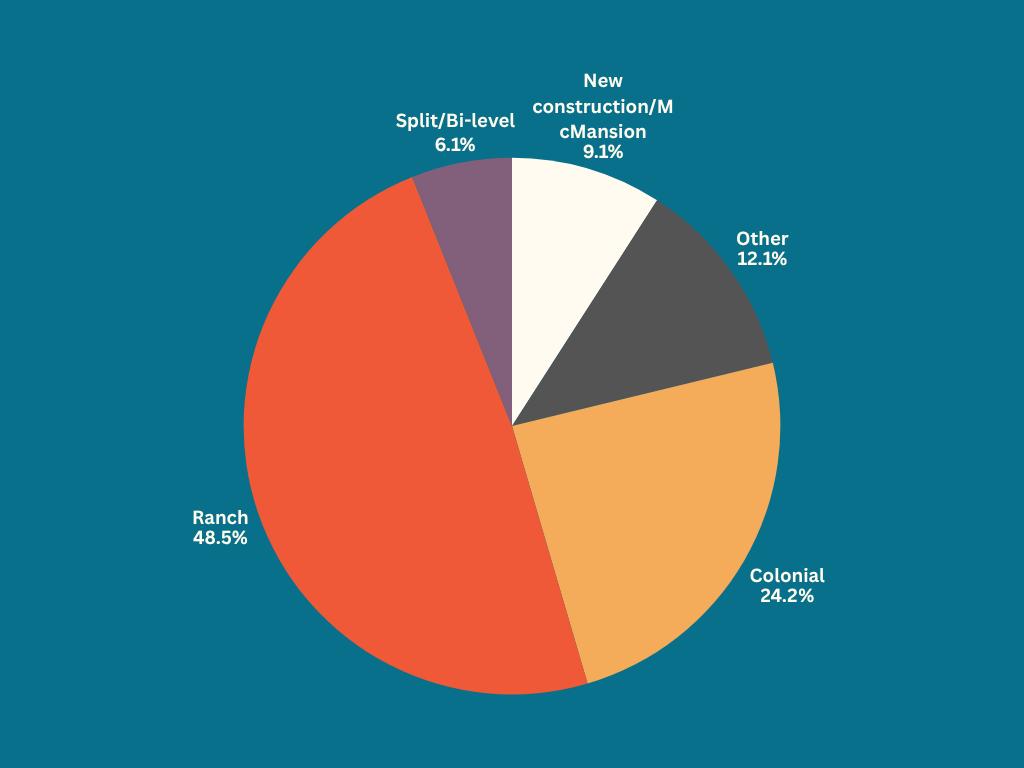
What home style is most common in your market? |
|
|
|
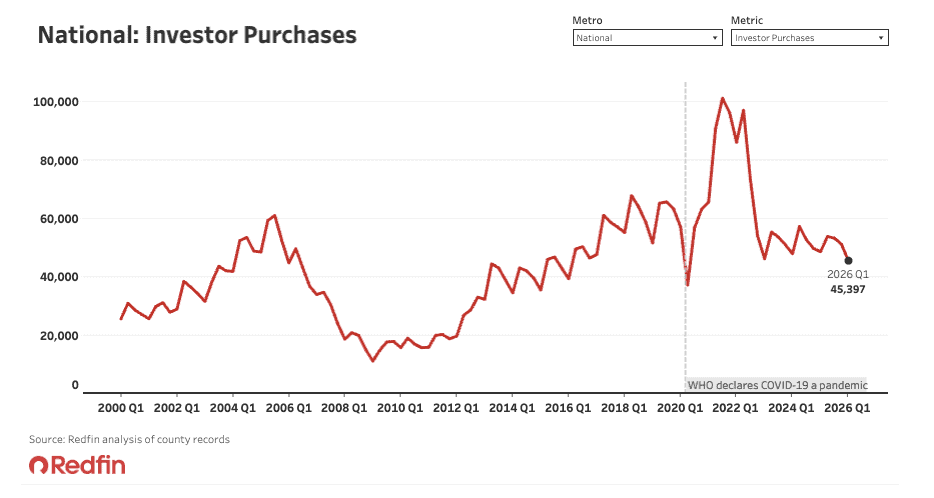
Investor home purchases fell 6% in the first quarter, dropping to their lowest level since 2020 as higher borrowing costs, slower price growth, and softer rental conditions continue to pressure returns. But this isn’t a broad retreat from real estate. Instead, investors are becoming far more selective about where they deploy capital. |
The biggest pullbacks are occurring in markets where operating costs have surged, and appreciation has slowed. Investor purchases fell sharply in places like Orlando, Detroit, and several Florida markets, where rising insurance costs, growing inventory, and weaker pricing power have made deals less attractive. Investors are also pulling back from lower-priced properties and condos, where tightening margins leave less room for error.
At the same time, investors are still actively buying in markets with stronger long-term growth stories. Purchases increased in San Francisco, San Jose, and other markets benefiting from technology investment and economic expansion. The takeaway isn’t that investors are leaving real estate. It’s that they’re becoming more disciplined. In today’s market, capital is flowing toward areas with stronger fundamentals and away from markets where costs are rising faster than returns.
What investors are prioritizing now: |
- Markets with strong economic growth: Investors are focusing on areas supported by job creation, business investment, and population growth.
-
Profit margins over property count: Investors are becoming more selective and prioritizing quality opportunities over volume.
- Single-family homes over condos: Higher HOA fees and insurance costs are making many condo investments less attractive.
|
🔎 Review operating costs in your target markets.
💰 Reevaluate your acquisition criteria. 📍Identify one market with growing economic drivers. |
|
|
|
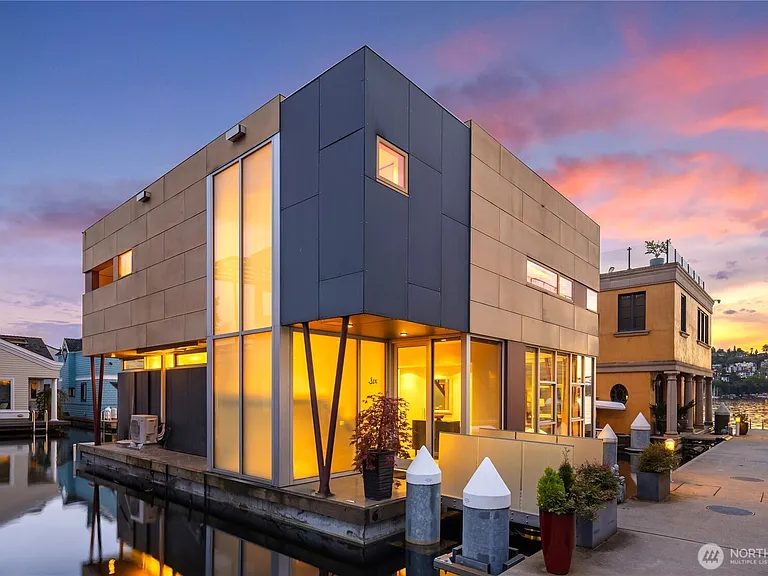
I’ve heard of waterfront living, but this property takes it to another level. Floating directly on Seattle’s Lake Union, this $4.85 million home isn’t simply located near the water; it's on the water. Designed by acclaimed firm Vandeventer + Carlander Architects, the three-bedroom, four-bath residence offers nearly 2,900 square feet of living space with panoramic views of Downtown Seattle.
What makes this home particularly unique is how thoroughly it embraces its floating setting. The floor plan flips traditional design on its head, placing entertaining and living spaces on the upper levels to maximize views and natural light. Expansive glass walls, multiple outdoor decks, and a rooftop terrace create a seamless connection between the home and the lake. Perhaps the most unusual feature is a rare lower-level underwater area complete with true porthole windows, allowing owners to watch life beneath the lake's surface from inside the home.
|
The property highlights a growing luxury trend: buyers increasingly want homes that offer experiences they cannot replicate. In a market filled with waterfront homes, truly unique properties command attention because they’re difficult to compare and even harder to recreate. Floating homes represent an exceptionally limited category of luxury real estate, combining water access, architectural significance, and scarcity in a way that traditional properties often cannot.
Seattle has long been known for its floating home community, but offerings at this level are exceptionally rare. As luxury buyers continue to seek distinctive ownership experiences, homes that blur the lines between architecture, lifestyle, and destination are becoming some of the most memorable properties in their markets. The ultimate waterfront home isn’t next to the water; it’s floating on top of it. |
🌊 Sell the rarity: Truly unique properties create their own category. Floating homes, historic estates, and architecturally significant residences often attract buyers because there are few direct comparables.
🐟 Highlight the conversation piece: Unique spaces like the underwater porthole room create instant memorability. Luxury buyers tour dozens of beautiful homes. They remember the ones with features they’ve never seen before.
📲 Unusual properties are content magnets: Homes with one-of-a-kind features generate engagement, shares, and press coverage. Video tours, drone footage, and social media posts of unique spaces can dramatically expand a listing’s reach. |
|
|
|
Wellness is no longer just a luxury real estate trend. A recent report projects wellness-focused real estate could become a nearly $2 trillion industry by 2030, driven by growing consumer demand for healthier, less stressful lifestyles. While many headlines focus on luxury communities, the bigger story is that buyer priorities are changing across all price points. Buyers are increasingly looking for homes and communities that support their physical and mental well-being, and that shift is beginning to influence purchasing decisions.
As an agent, I’ve seen this trend firsthand. While wellness amenities are certainly more common in luxury properties, I’ve sold non-luxury homes where buyers were drawn to features like saunas, home gyms, yoga rooms, and outdoor wellness spaces. These features often create an emotional connection because buyers are increasingly searching for a lifestyle, not just a house. In many cases, it’s not the kitchen or flooring that catches a buyer’s attention; it’s how the property fits into the life they want to live.
Brokers, your agents need training to recognize what is actually driving buyer demand. Too often, agents focus on square footage and bedroom counts while overlooking features buyers increasingly value, such as walking trails, parks, fitness centers, wellness clinics, yoga studios, and other health-focused amenities. The brokerages that teach agents how to identify and market these demand drivers will create stronger listing campaigns, better connect with today’s buyers, and stay ahead of shifting consumer preferences.
What’s working right now: |
- Buyer motivation training: Brokerages are teaching agents to uncover lifestyle goals during consultations so they can better match buyers with properties that support how they want to live.
-
Lifestyle-focused listing descriptions: Agents are leading with the lifestyle a property offers, not just specifications. Buyers increasingly want to understand how a home supports their daily routines and overall quality of life.
-
Community wellness maps: Brokerages are creating local guides for buyers highlighting parks, fitness centers, yoga studios, pickleball courts, walking trails, and wellness businesses in the area.
|
|
|
|
🛑 Sellers hit pause on listings: CNBC reports that 5.8% of US home listings were pulled off the market in April, the highest share since 2020, as elevated mortgage rates, higher living costs, and softer buyer demand leave some sellers unwilling to accept lower offers.
📈 Homelessness remains elevated: Realtor.com cites new HUD data showing 745,642 homeless individuals nationwide in January 2025, up 3% from 2024, as policymakers debate housing-first programs and proposed federal housing budget cuts.
⚖️ Miami condos show signs of recovery: Homes.com finds Miami-Dade condo prices rose 1.1% and sales increased 3.4% year over year in April, signaling growing buyer confidence as the market adjusts to Florida’s condo safety regulations. |
|
|
| |
Sophia Doyle is a staff writer at The Close and a licensed New Jersey real estate agent with hands-on experience in residential real estate. Sophia brings real-world insight into today’s housing market, combining on-the-ground agent experience with a strong background in communications. She understands the full transaction lifecycle, from lead generation and client relationships to marketing strategy and deal execution. Through her writing, Sophia delivers clear, practical guidance to help agents navigate an evolving industry with confidence and creativity.
|
|
|
|
Advertise in The Close The Close is a TechnologyAdvice business © 2026 TechnologyAdvice, LLC. All rights reserved. TechnologyAdvice, 3343 Perimeter Hill Dr., Suite 215, Nashville, TN 37211, USA. |
|
|
|
|