From Taylor Swift to Stanley Cup tickets, iPhone launches, and more, fear of missing out shapes consumer behavior everywhere. In today’s housing market, that same FOMO has sellers becoming increasingly anxious about missing the “perfect” moment to list or risk leaving money on the table - pushing more homeowners toward quieter, off-market selling strategies that promise more control, but may come with their own risks. |
While sellers are worried about listing at the right time, many agents are navigating a very different kind of fear. Across the industry, more conversations are happening about personal safety as agents continue to place themselves in vulnerable situations every single day. |
|
|
|
Here's what you need to know today: |
|
|
|
$34 for any new members first month (thats $40 off), May 25-29 only. |
|
|
|
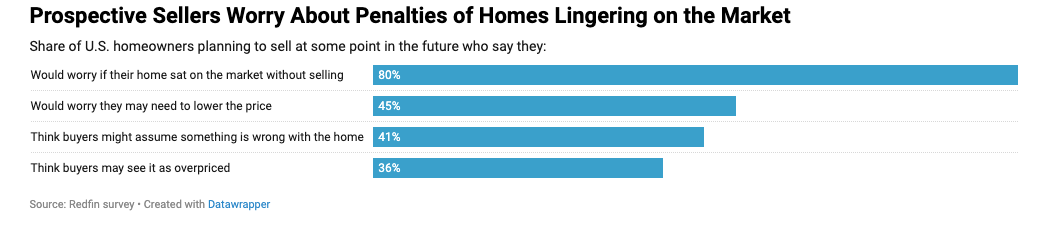
A growing number of homeowners want to sell their homes quietly before fully listing publicly. According to a recent Redfin survey, more than 80% of prospective sellers are interested in a “coming soon” approach that allows them to test pricing, gauge buyer interest, and avoid the stress of sitting on the market. Sellers today are deeply nervous about getting the price wrong, accumulating days on market, or being forced into visible price cuts that could weaken buyer perception.
At the same time, a new Zillow analysis is raising concerns about what sellers may sacrifice when limiting public exposure. Zillow found that sellers who kept their homes off the MLS typically sold for 1.3% less than comparable publicly listed homes, amounting to a combined $1.36 billion in lost seller value over three years. The report also found that sellers in dual-agency transactions, where the same agent represented both the buyer and the seller, lost another $1.49 billion collectively during that same period.
|
Together, these reports highlight the growing tension between seller comfort and seller leverage. Homeowners increasingly want privacy, flexibility, and softer launches, especially in a market where listings are sitting on the market longer and buyers are more selective. But limiting exposure may also reduce competition, buyer visibility, and ultimately pricing power. The reality is that today’s sellers are no longer operating in a market where simply listing publicly guarantees multiple offers within days.
This conversation is likely going to reshape listing strategies moving forward. Off-market and pre-market listings are becoming more common as sellers seek greater control and lower risk. But exposure still matters. The challenge for agents moving forward will be helping sellers understand the trade-off between privacy and maximum market competition, and determining which strategy best aligns with the property, market conditions, and seller goals.
|
What this means for agents: |
🧠 Seller psychology matters more than ever: Many sellers are not just worried about moving; they’re worried about failing publicly. Agents need to understand the emotional side of pricing, days on market, and listing strategy.
📊 Listing presentations need to evolve: Homeowners increasingly want data, market testing, and a clear game plan before listings. Agents who can provide pricing confidence and strategic guidance during their listing presentation will win more business.
📲 Pre-market marketing is becoming an increasingly important skill set: Agents who know how to generate interest before a listing officially launches may build stronger momentum while still balancing seller comfort with maximum exposure. |
|
|
|
What is the biggest reason sellers in your market are choosing off-market or “coming soon” listing strategies? |
|
|
|
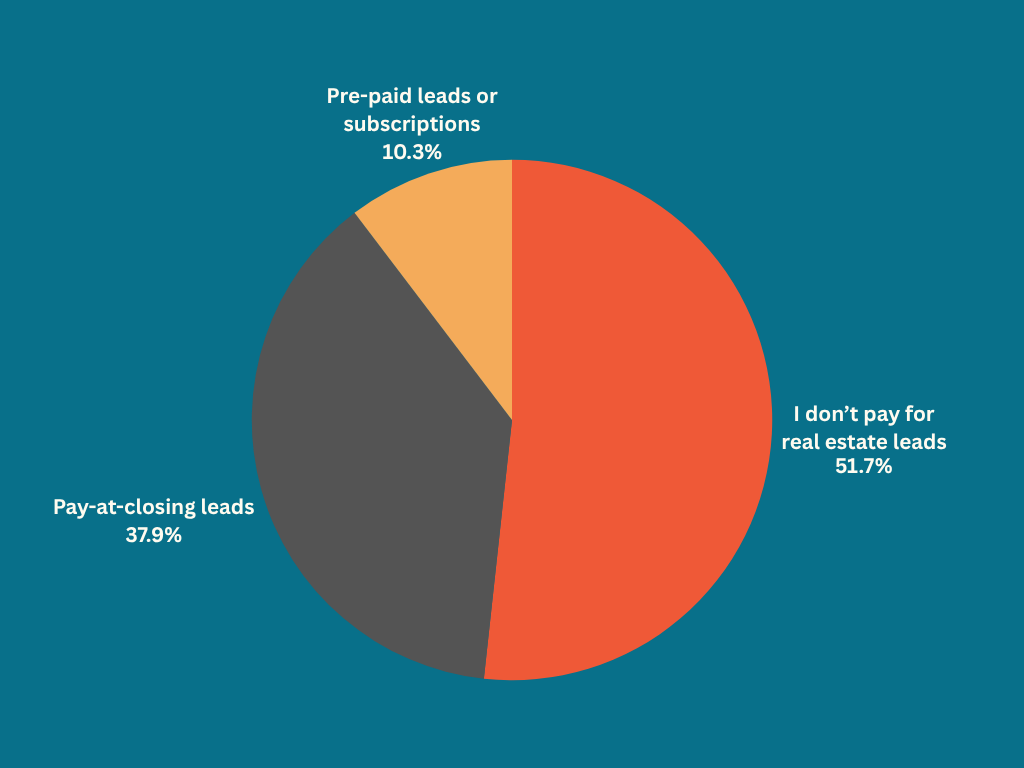
What type of paid real estate lead source do you prefer? |
|
|
|
After years of being overlooked, retail real estate is quietly becoming one of the stronger-performing sectors in commercial real estate. Limited new development, rising construction costs, and years of underbuilding have created a supply shortage in many markets, giving retail landlords and developers increasing pricing power.
For years, developers have avoided building new retail projects because land and construction costs made deals difficult to justify financially. At the same time, retailers were downsizing, bankruptcies created excess vacancy, and investor sentiment toward retail weakened significantly. But now, much of that vacant space has been absorbed, and retailers are expanding again into a market with very little new inventory.
This is creating a meaningful shift for investors. Retail executives and institutional investors are now reporting stronger rent growth, increased competition for acquisitions, and renewed investor demand for open-air retail centers. In many markets, landlords are seeing multiple tenants competing for available space, while redevelopment projects are becoming more attractive as supply remains limited.
What’s especially important is the type of retailers outperforming right now. Grocer-anchored centers, necessity-based retail, experiential tenants, and service-oriented retail are showing resilience even amid broader economic uncertainty. Investors who understand which retail formats are benefiting from limited supply and changing consumer behavior may find opportunities in both acquisitions and redevelopment as the sector continues to stabilize. What investors are prioritizing now: |
- Markets with limited retail development: Years of underbuilding are supporting occupancy and rent growth in many regions.
-
Assets with pricing power and tenant demand: Competition for quality retail space is increasing in supply-constrained markets.
- Retail redevelopment opportunities: Investors are repositioning outdated retail into modern, higher-performing formats.
|
🔎 Analyze retail vacancy trends in your market
🔨 Review redevelopment opportunities in older retail properties 📈 Track rent growth across retail submarkets |
|
|
|
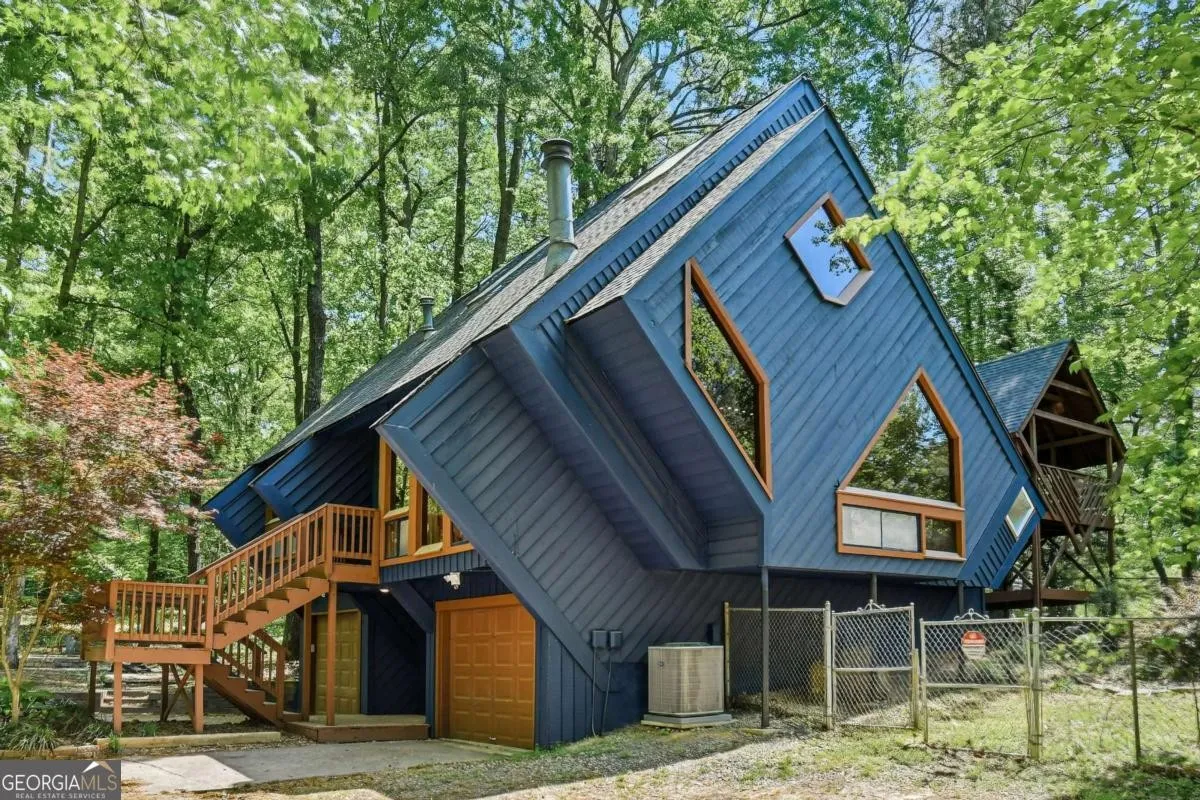
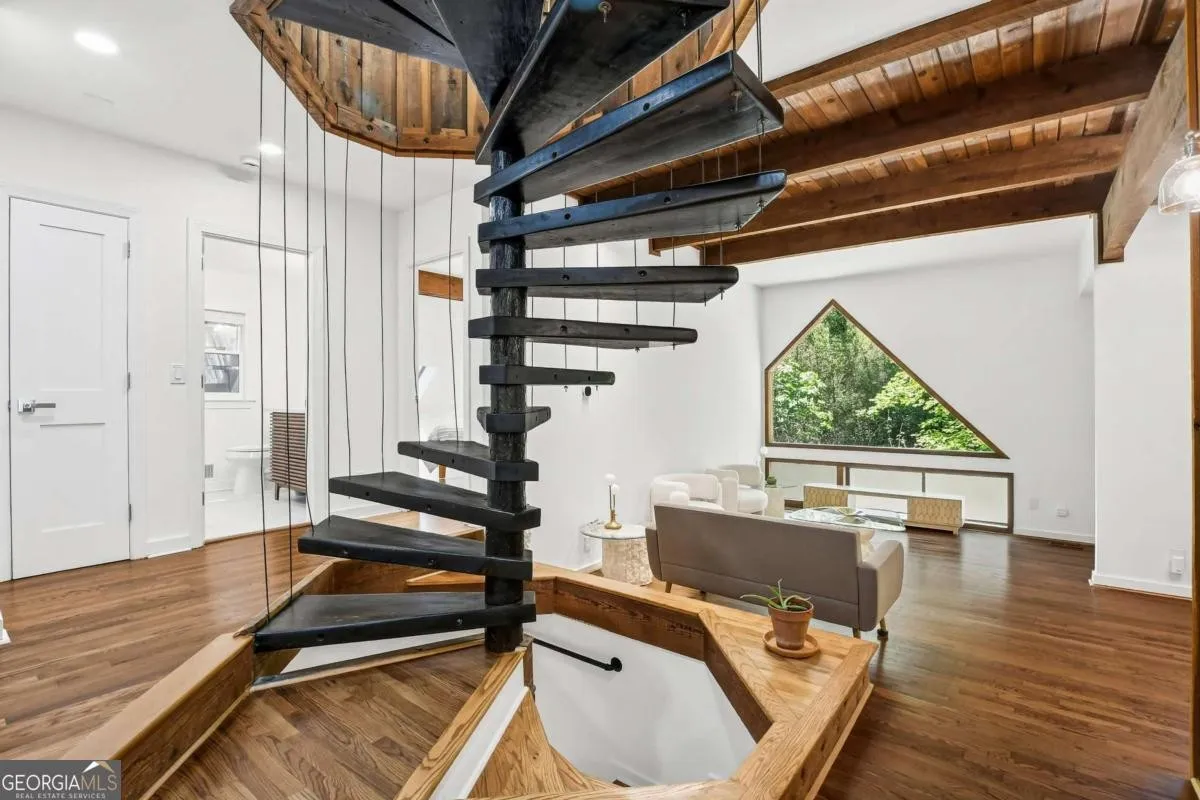
Buyers looking for something different, I have the home for you. This Tom Mozen-designed home feels less like a traditional residence and more like an optical illusion brought to life. The geometric structure appears to be balancing on its side amongst the trees, while the suspended spiral staircase creates an Escher-like effect that immediately becomes the focal point of the home.
Rather than positioning the property as just another four-bedroom house, the listing leans heavily into its architectural identity, presenting it as a rare piece of local design history. The floating staircase, dramatic sightlines, angular design, and light-filled space transform the property from a standard listing into something that feels collectible and impossible to replicate.
|
What makes this property’s marketing so effective is that it leans heavily into the home’s story and design legacy. The staircase isn’t just described as visually striking; it’s positioned as Mozen’s iconic flagship design that influenced the surrounding neighborhood throughout the 1970s. The listing constantly reinforces that this home is rare and intentional. In a market filled with similarly looking renovated homes, buyers are increasingly drawn to properties that feel distinctive and memorable rather than mass-produced.
|
There’s also a strong experiential component that expands the buyer pool beyond traditional homeowners. According to the listing agent, the property has been booked nearly every weekend as a short-term rental, proving that people are willing to pay for unique design and memorable spaces. In today’s Airbnb market, architectural homes perform especially well because guests aren’t just renting a place to stay; they’re renting a property they want to experience, photograph, and share online. When a property has truly distinctive architecture, don’t market it like a standard listing. Lead with the story, the legacy, and the visual elements buyers can’t find elsewhere. In crowded marketplaces, homes that feel visually unforgettable are the ones that stop buyers mid-scroll and are often the ones people remember long after they’ve closed Zillow. |
🎨 Market the home like art, not inventory: Architecturally significant homes often appeal emotionally first and practically second. 📸 Distinctive homes thrive online: Properties with dramatic visuals and recognizable design features tend to generate stronger social media engagement and buyer curiosity.
🌀 Lead with unforgettable features: Unique architectural elements, like the floating staircase and optical-illusion design, should become the centerpiece of the marketing strategy. |
|
|
|
Real estate agents regularly meet strangers alone in vacant homes, host open houses by themselves, and work in unpredictable environments. According to the National Association of REALTORS®, 22% of residential agents say they have experienced a situation that made them fear for their personal safety or the security of their personal information. Yet safety training is still often treated as an afterthought in many brokerages.
This is something I take very seriously, as an agent who has been in situations where I felt uncomfortable and needed to lean on my brokerage for support. In those moments, having a brokerage culture that prioritized communication, safety, and support made all the difference. Agents need to know they are backed by leadership and that protecting themselves should always come before worrying about a deal or commission. |
Brokers, safety procedures should become just as standard as contact training or lead-follow-up systems in your brokerage. That means putting real systems in place, whether it’s brokerage group chats for agent check-ins, safety training courses, open-house best practices, client verification procedures, or protocols for vacant-property showings. Agents should understand how to recognize red flags, trust their instincts, and remove themselves from situations that feel unsafe.
The reality is that this industry asks agents to place themselves in vulnerable situations every single day. The brokerages that proactively create safety systems, encourage communication, and normalize these conversations will not only reduce risk but also build stronger trust and support within their teams. A commission is never worth an agent putting themselves in danger. |
What’s working right now: |
- Mandatory safety training: More brokerages are incorporating agent safety courses into onboarding and ongoing training programs.
- Safety-first culture: Top teams are normalizing conversations around safety so agents feel comfortable leaving situations that feel off.
- Showing check-in systems: Agents are using office communication systems to share schedules and update teams when appointments are complete.
|
|
|
|
🦌 Wildlife study reshapes development planning: Homes.com highlights new Wyoming research showing migratory animals begin avoiding land where homes are spaced about a mile apart, with researchers urging clustered housing and wider open-spaced corridors to help preserve migration routes.
🏦 Trump’s new Fed chair may not lower mortgage rates fast: Realtor.com reports incoming Fed Chair Kevin Warsh supports lower interest rates, but persistent inflation, rising oil prices, and hawkish resistance within the Fed could keep mortgage rates elevated for homebuyers.
🏡 Inventory rises, but affordability still lags: The National Association of REALTORS® and Realtor.com find that while more homes are coming onto the market, much of the new inventory remains concentrated at high price points, leaving entry-level and middle-income buyers with limited affordable options. |
|
|
|
|
Sophia Doyle is a staff writer at The Close and a licensed New Jersey real estate agent with hands-on experience in residential real estate. Sophia brings real-world insight into today’s housing market, combining on-the-ground agent experience with a strong background in communications. She understands the full transaction lifecycle, from lead generation and client relationships to marketing strategy and deal execution. Through her writing, Sophia delivers clear, practical guidance to help agents navigate an evolving industry with confidence and creativity.
|
|
|
|
Advertise in The Close The Close is a TechnologyAdvice business © 2026 TechnologyAdvice, LLC. All rights reserved. TechnologyAdvice, 3343 Perimeter Hill Dr., Suite 215, Nashville, TN 37211, USA. |
|
|
|
|