As a real estate agent, you’re expected to sell homes, not plan parties. But successful brokerages are starting to realize that community events, local experiences, and a little personality can often build stronger brand recognition than traditional advertising ever could. |
While some brokerages are focused on building community visibility, others are preparing for a very different industry shift. A massive wave of inherited properties is beginning to move through the housing market, creating new transaction challenges that agents, lenders, and title professionals are increasingly being forced to navigate. |
|
|
|
Here's what you need to know today: |
|
|
|
A big shift is coming for the housing market, and surprisingly, it has nothing to do with mortgage rates and everything to do with inheritance. Over the next two decades, a reported $124 trillion is expected to transfer between generations through inheritance, with a significant portion tied directly to residential real estate. This is expected to add a layer of complexity across the market.
A large portion of homeowners still do not have formal estate plans in place. According to recent data, more than 42% of homeowners over 50 do not currently have a will or trust. Homeowners who pass without a proper inheritance plan in place create complications, leading to homes being titled in the deceased's name years after death and ownership issues that often surface when relatives attempt to sell. Agents are already encountering probate complications, incomplete title records, multiple heirs, and family disputes.
Transactions of inherited properties operate very differently from traditional sales. In many cases, the relatives selling the properties never lived in the homes themselves, meaning they may not know the property's condition, past repairs, or important details about systems and maintenance. This is something I’ve personally dealt with, and it can quickly complicate a transaction. And when multiple beneficiaries are involved, agents are often managing several decision-makers with vastly different goals, timelines, and emotional attachments.
As the wealth transfer accelerates, inherited-property transactions are becoming less of a niche and more of a standard part of the business. It looks as if inherited homes will become a meaningful future source of inventory, but unlike traditional listings, these transactions often come with legal delays, deferred maintenance, and emotional decision-making attached, making communication and transaction management more important than ever.
|
What this means for agents: |
🧠 Probate knowledge is becoming a competitive advantage: Inherited-property transactions are becoming more common, and agents who understand probate, estate sales, and title complications will stand out.
🔍 Due diligence matters more: Many heirs never lived in the home, meaning they may not know the age of systems, past repairs, permits, or property history. Agents need to ask more questions and encourage thorough inspections and documentation upfront.
👨👩👧👦 Expect more emotional and multi-party transactions: When multiple beneficiaries are involved, agents may be negotiating with sellers who have different opinions, goals, and emotional attachments to the property. |
|
|
|
Have you considered getting your broker’s license? |
|
|
|
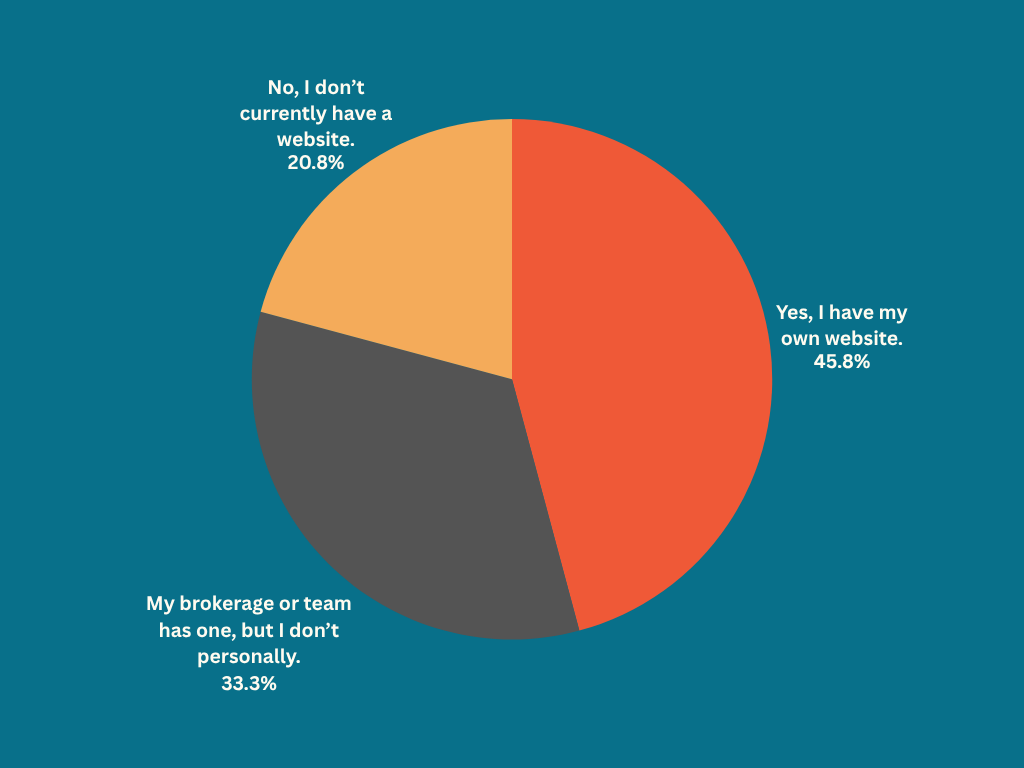
Do you have a website for your real estate business? |
|
|
|
Luxury demand is expanding beyond traditional coastal and ultra-wealthy markets, and a new group of “hidden gem” metros is emerging. Markets like Fayetteville, Arkansas; Durham, North Carolina; Knoxville, Tennessee; and Colorado Springs, Colorado are seeing rapid growth in million-dollar listings as wealth, development, and migration patterns reshape where high-end buyers are choosing to live.
What's important isn’t the individual cities, but what these markets have in common. Nearly all of the hidden metros combine strong economic drivers, lifestyle appeal, and relative affordability compared to traditional luxury markets. Many of these markets are anchored by major employers, universities, healthcare systems, or growing tech corridors, while also offering outdoor recreation, lower taxes, and affordability. Buyers are increasingly prioritizing quality of life over legacy zip codes.
|
Another major trend connecting these markets is development activity. In many of the fastest-growing luxury metros, new construction is driving the expansion of high-end inventory. At the same time, other markets are seeing luxury growth fueled by renovations, appreciation, and repositioning of existing properties. For investors, this creates multiple entry points, whether through development, the acquisition of undervalued homes in appreciating markets, or the upgrading of existing inventory to meet rising buyer expectations.
The bigger takeaway is that luxury demand is decentralizing. Investors who focus only on traditional luxury markets may miss where future wealth migration is actually heading. The strongest opportunities are increasingly found in markets with job growth, infrastructure expansion, lifestyle appeal, and room for long-term appreciation before pricing fully catches up. What investors are prioritizing now: |
- Markets with strong economic anchors: Investors are targeting areas supported by major employers, healthcare systems, universities, and tech growth.
- Lifestyle-driven migration markets: Outdoor recreation, lower taxes, affordability, and quality of life are becoming major drivers of demand.
- Builder and development activity: New construction growth is increasingly signaling where future demand is accelerating.
|
📖 Research migration and job growth trends in secondary markets 📊 Track new construction activity in emerging metros
🏙️ Identify undervalued neighborhoods near major economic drivers |
|
|
|
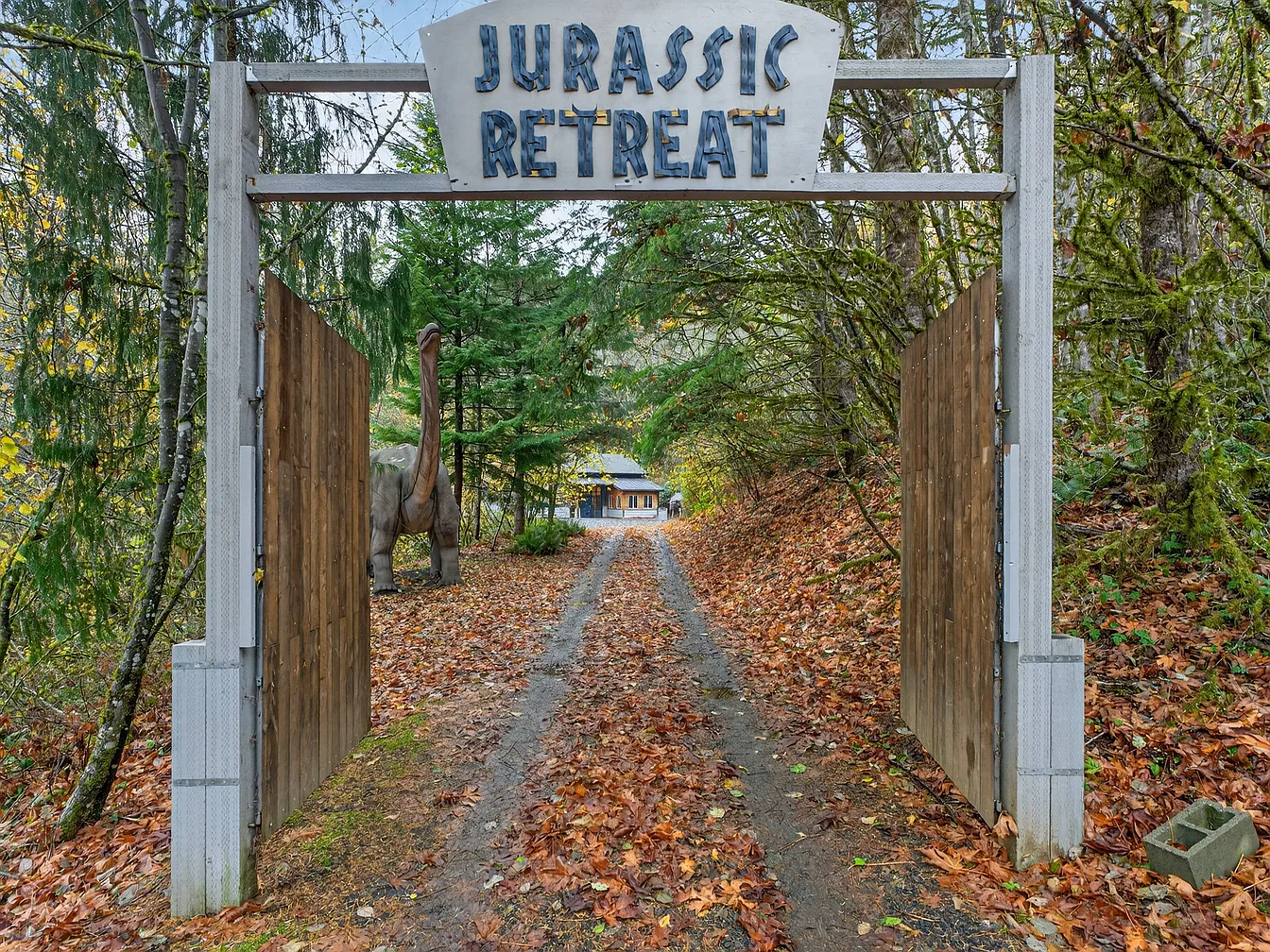
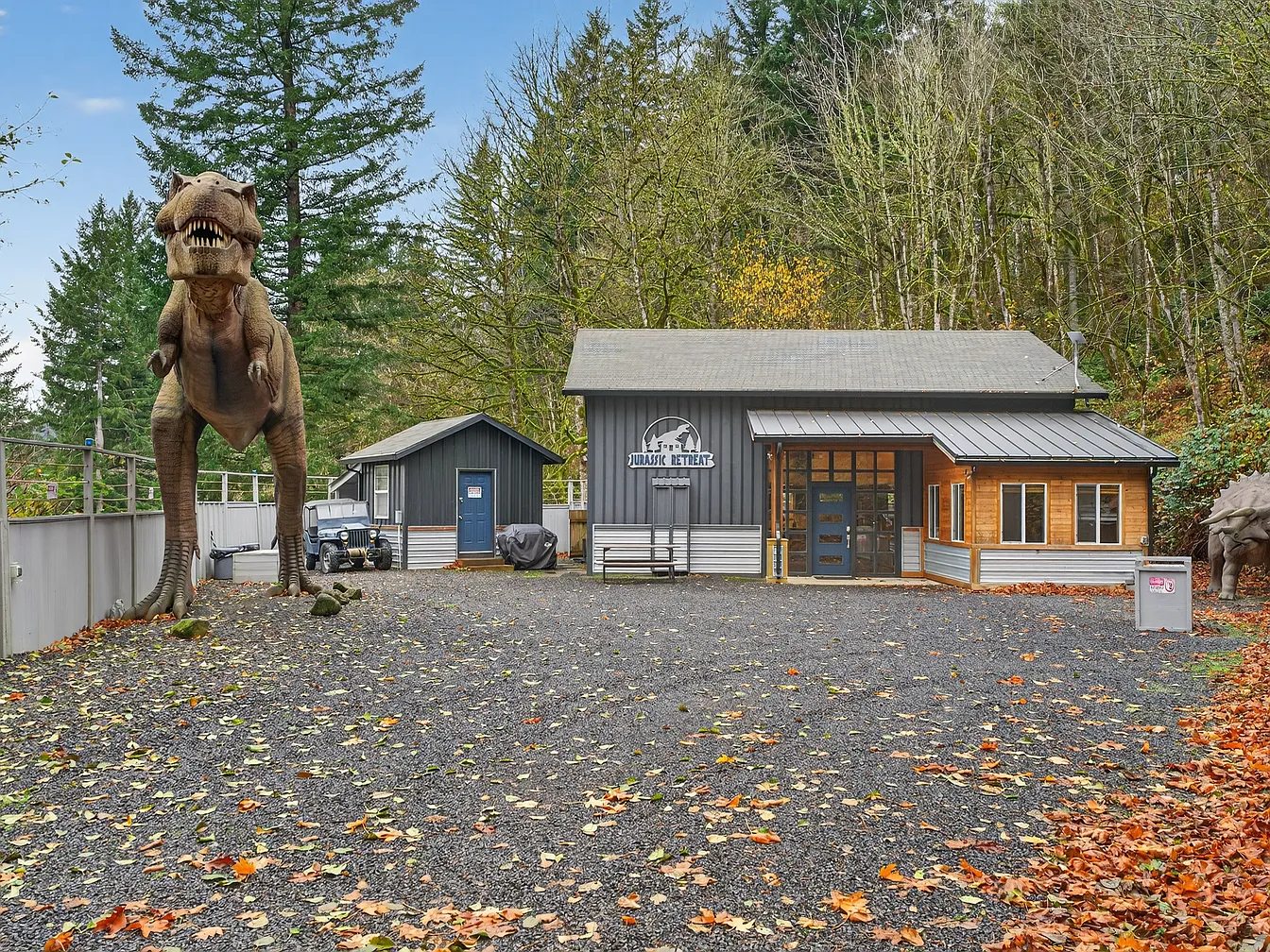
“Welcome… to Jurassic Park.” This Washington home for sale leans fully into the feel of the films, with towering evergreens, dinosaur statues, a lookalike jeep, and a Jurassic-style replica entry gate. Marketed as “Jurassic Retreat”, the home embraces one of the most recognizable movie franchises in the world, instantly creating familiarity and an emotional connection. |
The home has a successful short-term rental track record, and honestly, it’s easy to see why. Vacation renters and buyers increasingly want immersive, experience-driven properties, rather than generic homes. Even with its proven success as a rental, the property has been on the market for over 170 days and has undergone significant price cuts, but, interestingly, the home hasn’t tried to lean further into its Jurassic identity. |
Currently, most of the dinosaur theming exists in the exterior of the property, while the interior remains more traditional Northwest modern. The seller could reposition the property more aggressively as a vacation destination, transforming the listing to a ready-to-purchase, complete themed experience. Think a movie theater room, dinosaur-inspired decor, and interactive family entertainment areas that encourage guests to see the property not just as a place to stay, but as a vacation itself.
And that is the big lesson for agents. Especially for listings that may be sitting, repositioning can completely change buyer perception. When a property naturally aligns with a recognizable aesthetic or pop culture reference, leaning into that identity can create instant memorability and online traction. Buyers looking to purchase short-term rental properties in today's market aren’t just evaluating homes; they’re determining whether a property feels unique enough to stand out, book consistently, and become a destination itself.
|
🦖 Lean into recognizable pop culture: When a property naturally resembles a well-known franchise or aesthetic, strategic branding can instantly capture buyer attention. 🎥 Selling the experience, not just the house: Today’s buyers, especially short-term rental investors, are looking for properties that feel memorable, immersive, and different from a standard stay. 🔄 Repositioning can revive interest: For listings that have been sitting, changing the narrative around the property can completely shift buyer perception and demand. |
|
|
|
One of Washington DC’s largest mixed-use developments recently drew over 40,000 visitors for its annual “Running of the Chihuahuas,” a quirky dog race that has become one of the property’s biggest annual events. While the event may sound humorous (because it is), the strategy behind it is serious. The Wharf uses these events to build personality, foster community connections, and ensure consistent visibility for the neighborhood and its businesses. And it’s working.
The Wharf now sees nearly 8 million visits annually, and its event-driven approach has helped transform the development into a recognizable destination in a competitive market. Smaller recurring events like jazz nights, movie series, and seasonal celebrations keep the area active year-round while helping people emotionally connect with the community. These events help “create an atmosphere”. |
Brokers, this is a major lesson for your brokerage. Community events are not just marketing–they are relationship and brand builders. Whether you host something as quirky as a Chihuahua race or as simple as a client appreciation party, sponsor a local festival, or plan a summer movie night, these experiences keep your brokerage top of mind and build familiarity with your brand in a way traditional advertising often cannot.
The brokerages gaining attention are the ones building a presence in their communities rather than simply advertising to them. Events create conversations, social media exposure, word-of-mouth, and emotional connections. More importantly, they position your brokerage as part of the lifestyle and identity of the area you serve, not just another company trying to generate leads.
|
What’s working right now: |
- Recurring neighborhood events: Firms host movie nights, seasonal gatherings, and small community events to keep their brand consistently visible.
-
Community event sponsorships: Not only are brokerages hosting their own events, but they are also sponsoring local events to increase visibility and strengthen community presence.
- Partnership-driven events: Brokerages are collaborating with local restaurants, vendors, mortgage lenders, and small businesses to co-host and expand reach.
|
|
|
|
🎬 Celebrity homes lose their star power: Realtor.com explores why more A-list properties are lingering on the market, as today’s luxury buyers prioritize pricing, design, and functionality over celebrity ownership and splashy name recognition.
⚖️ NAR backs challenge to New York rent law: The National Association of REALTORS® and NYSAR are supporting a legal challenge to New York’s rent stabilization law, arguing strict rent regulations can discourage property investment and limit housing supply.
👨🏻⚖️ Zillow takes Compass and MRED to court: Broke Agent Media reports Zillow has filed a federal antitrust lawsuit accusing Compass and Chicago-based MLS MRED of conspiring to cut off Zillow’s listing data access and expand private listing networks nationwide, escalating the battle over listing transparency. |
|
|
|
|
Sophia Doyle is a staff writer at The Close and a licensed New Jersey real estate agent with hands-on experience in residential real estate. Sophia brings real-world insight into today’s housing market, combining on-the-ground agent experience with a strong background in communications. She understands the full transaction lifecycle, from lead generation and client relationships to marketing strategy and deal execution. Through her writing, Sophia delivers clear, practical guidance to help agents navigate an evolving industry with confidence and creativity.
|
|
|
|
Advertise in The Close The Close is a TechnologyAdvice business © 2026 TechnologyAdvice, LLC. All rights reserved. TechnologyAdvice, 3343 Perimeter Hill Dr., Suite 215, Nashville, TN 37211, USA. |
|
|
|
|