For short-term rental owners, the 2026 FIFA World Cup looks like the ultimate scoring opportunity. Millions of visitors, packed host cities, and soaring nightly rates have many owners preparing for a major payday, but as excitement builds, so do concerns around the legal operational risks many investors still don’t fully understand. |
At the same time, the broader housing market is showing signs of life again. Buyers who spent months waiting on the sidelines are beginning to reenter the market as rates ease slightly and inventory improves, underscoring that demand was never gone; buyers were simply waiting for the right conditions to move. |
|
|
|
Here's what you need to know today: |
|
|
|
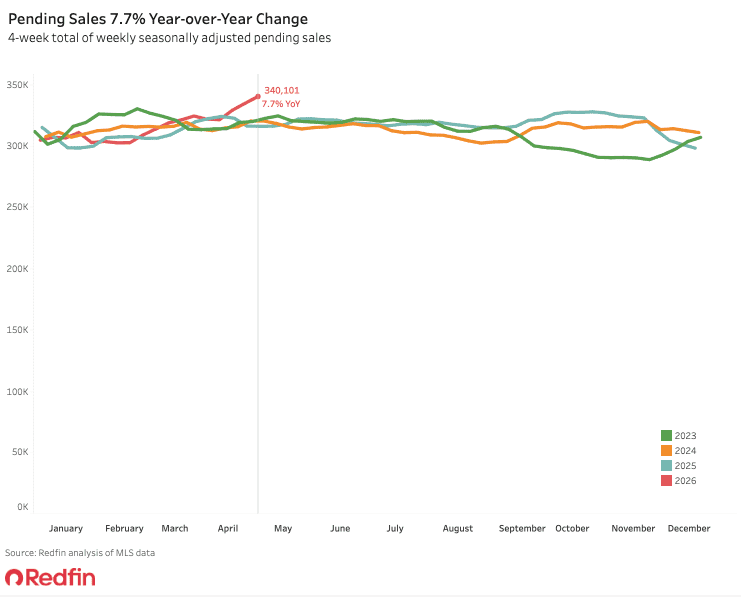
Pending home sales just hit their highest level since September 2022, rising 7.7% year over year, signaling buyers have begun to reenter the market. After months of hesitation, a temporary dip in mortgage rates, combined with more available inventory, gave buyers the opening they had been waiting for.
Buyer demand didn’t vanish; they've just been waiting for more options and better affordability. Buyers have been incredibly payment-sensitive, and even a modest drop in rates immediately translated into more tours, more searches, and more contracts. At the same time, inventory remains at the highest level in at least five years, giving buyers something they haven’t had in a long time: options. |
Now, this isn’t the frenzy of 2021. Buyers are reengaging, but they are doing so carefully. Homes are taking longer to sell, fewer properties are selling above asking price, and buyers are prioritizing homes that feel move-in ready and are priced appropriately. Updated homes are still generating competition, while overpriced or outdated listings are sitting.
What’s important to understand is that this buyer movement is not happening evenly across the country. Markets like Chicago, Pittsburgh, Miami, and Austin saw some of the biggest jumps in pending sales, while places like Houston and Seattle saw declines. The market is still highly localized, and understanding your specific area matters more than any national headline. What this means for the market: |
💰 Mortgage rates are driving behavior: Even small rate changes are having an immediate impact on buyer activity and confidence. 📈 Demand is reactivating: Buyers didn’t disappear; they were waiting for better affordability and more inventory. 🏡 More inventory is creating movement: Increased listing options are helping unlock transactions that were stalled by a lack of supply.
|
|
|
|
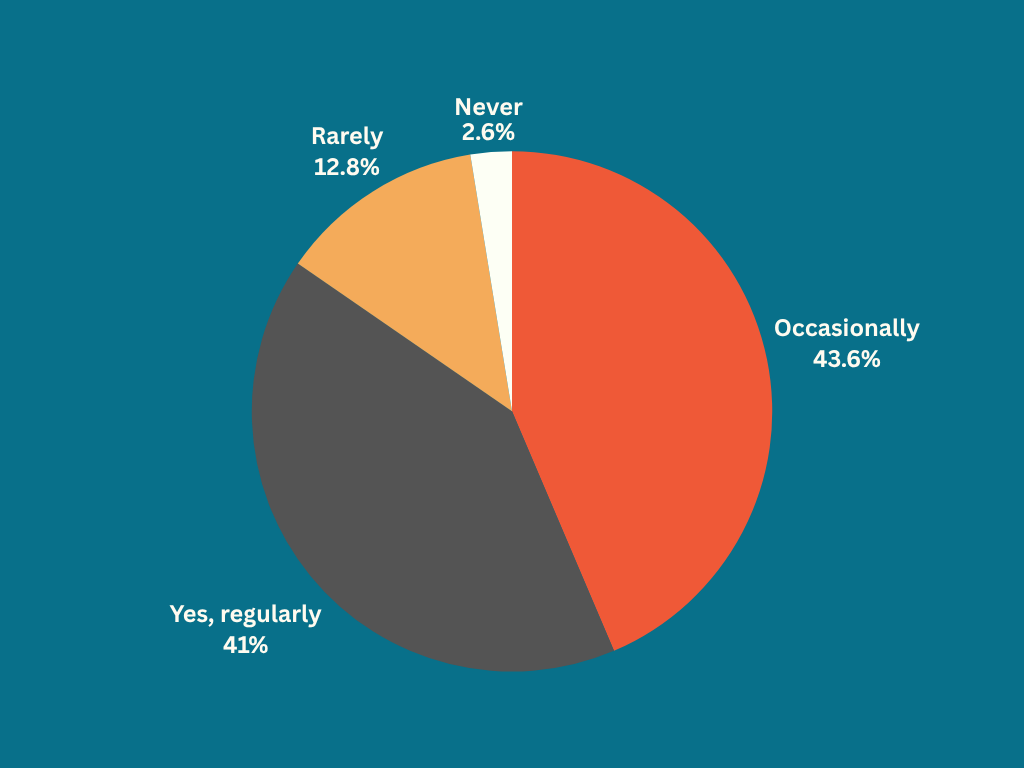
Do you have a website for your real estate business? |
|
|
|
Do you regularly follow real estate social media accounts geared toward agents? |
|
|
|
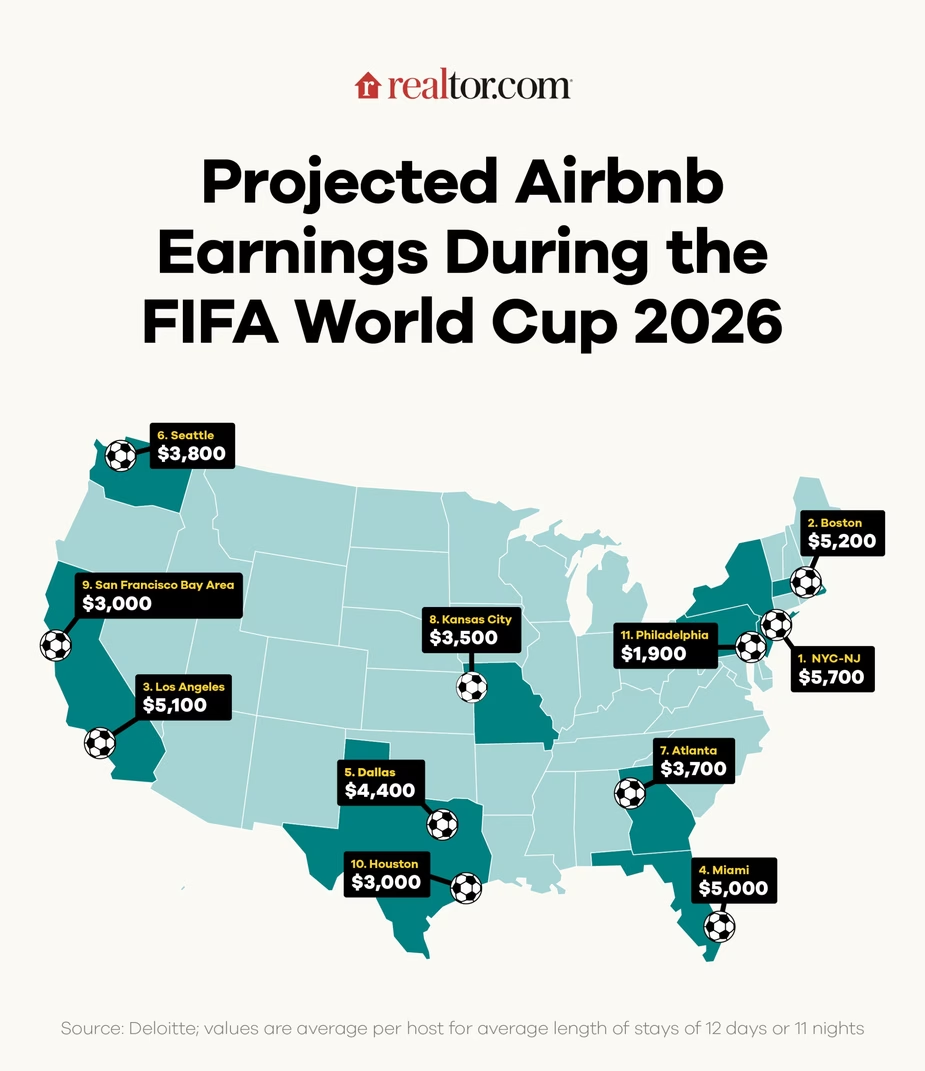
The 2026 FIFA World Cup is expected to bring millions of visitors across the US, creating a major revenue opportunity for short-term rental owners in host markets. But alongside the surge in demand, experts and local officials are warning investors about a growing risk many hosts aren’t prepared for: sophisticated squatter scams tied to short-term rentals.
The concern centers on tenant-rights laws in certain states and cities, under which guests can gain legal protections after staying at a property for a set number of days. In places like New York, New Jersey, and Missouri, a guest who stays beyond the legal threshold can shift from a short-term renter to a legal tenant, turning what should be a simple removal into a potentially lengthy eviction process. As more investors rush to capitalize on event-driven rental demand, understanding these rules is becoming critical.
|
Industry professionals are advising investors to avoid off-platform payments and communication entirely, cap stays below tenant-right thresholds, require verified guest histories, and use meaningful security deposits. Many scams begin when hosts bypass booking platforms to save on fees or move conversations to apps like WhatsApp, unintentionally giving up documentation, insurance protections, and leverage if issues arise later.
Investors, this is a reminder that short-term rentals are not passive income; they are operational businesses that require systems, legal awareness, and risk management. Major events like the World Cup can create massive earning potential, but investors who prioritize strong processes and asset protection will ultimately be better positioned than those focused only on maximizing bookings.
What investors are prioritizing now: |
- Understanding local short-term rental and tenant laws: Investors are paying closer attention to occupancy thresholds and regulations that pose legal risks.
-
Risk management and guest screening: Verified bookings, deposits, and platform protections are becoming operational priorities.
- Protecting the underlying asset: Investors are increasingly focused on preserving long-term property value rather than just maximizing short-term income.
|
📅 Enact maximum stay limits for your rentals
📊 Audit your booking and screening process 🔎 Review your short-term rental insurance and platform protections |
|
|
|
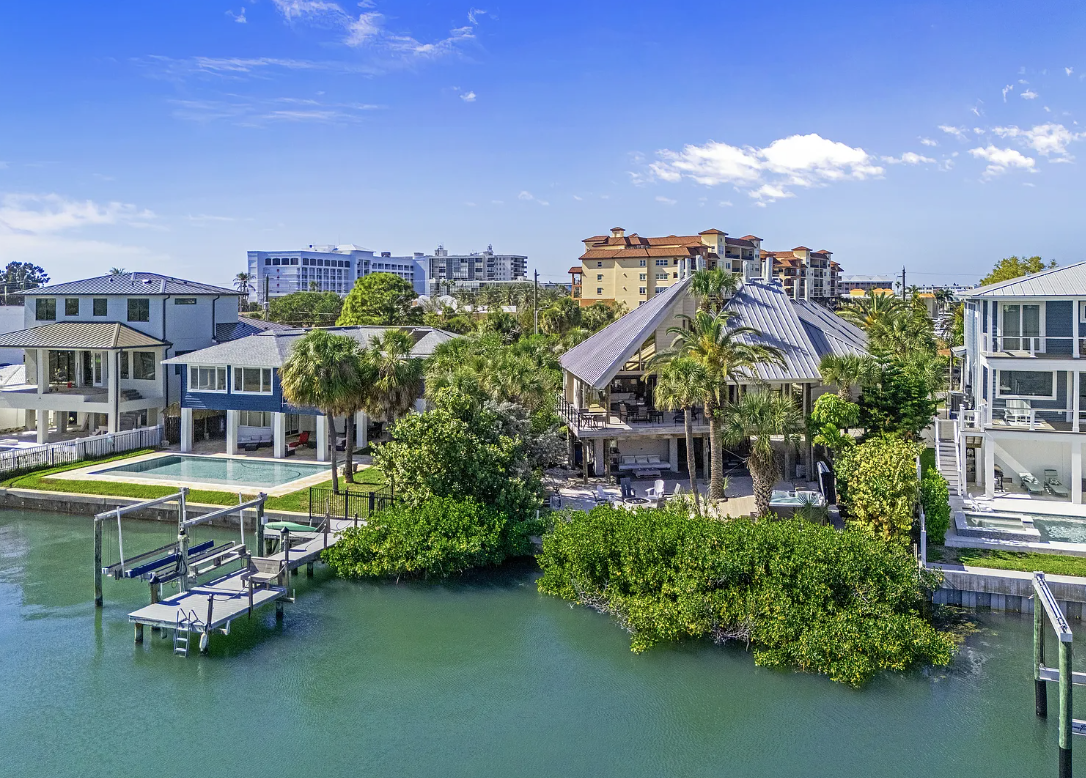
A waterfront home in St. Pete Beach, Florida, is gaining attention not for its design, but for what it survived. The three-bedroom, three-bathroom, waterfront property is listed for $2.59 million, combining luxury amenities, a wraparound deck, lush tropical landscaping, and a private sandy beach. The detail that is catching buyers' attention is that the home survived both Hurricanes Helene and Milton without major damage.
The home was designed to withstand storms, elevated on timber posts with a sailboat-inspired roof structure intended to cut wind resistance. During the 2024 hurricane season, water passed beneath the home while the elevated living spaces remained protected. In a market where many slab-built waterfront homes experience devastating flooding, elevated construction has become one of the most sought-after features among luxury buyers. |
That demand is growing far beyond Florida. A 2025 survey found that 92% of homeowners are concerned about natural disasters impacting their property, while 88% said they would pay more for homes with climate-resilient features. These features consist of reinforced roofing, impact-resistant windows, advanced drainage systems, and elevated foundations. Insurance incentives are also influencing decisions, with many buyers increasingly factoring long-term protection and operating costs into their purchasing decisions.
The shift reflects a broader evolution in luxury real estate. Buyers still want waterfront views, resort-style amenities, and indoor-outdoor living, but now they also want homes engineered for durability, lower flood risk, and long-term livability. In coastal luxury markets, the conversation is changing from “Is the home beautiful?” to “Will the home last?” |
🌊 Sell resilience, not just the view: In coastal markets, buyers are increasingly evaluating how a home is built, not just where it’s located. Features like elevation, storm-resistant engineering, and flood mitigation should be positioned as premium lifestyle protections rather than technical afterthoughts.
🌴 Waterfront luxury isn’t going away; it’s evolving: Today’s buyers still want the beach, the dock, and the views - they just also want homes built to withstand climate risks. 💎 Understand the new luxury premium: Studies show buyers are willing to pay more for climate-resilient features. Reinforced roofing, elevated foundations, impact-resistant windows, and advanced drainage systems are becoming value drivers in vulnerable markets.
|
|
|
|
Technology adoption in real estate continues to accelerate, but the brokerages gaining the most from it are not simply adding more tools; they’re implementing technology that improves relationships, communication, and the client experience. According to NAR’s 2025 REALTORS®
Technology Survey, 64% of agents say their primary motivation for adopting new technology is to better serve clients.
That shift matters because today’s consumers expect faster communication, more transparency, and a smoother overall experience. Brokerages that fail to help agents integrate modern technology into their daily work risk falling behind, not because technology replaces agents, but because it enables them to operate more efficiently and stay more connected to clients.
The strongest brokerages are intentional about the tools they adopt. Real Estate CRM platforms are helping agents stay organized and maintain consistent follow-up. AI-powered systems are also reducing administrative workload and giving agents more time to focus on conversations, relationships, and business growth.
Brokers, this only works if technology adoption becomes part of your culture. A tool does not create value simply because you purchase it. Your agents need training, repetition, and clear systems around implementation. The brokerages that stand out are the ones teaching agents how to use technology to strengthen service, not replace it. In today’s market, efficiency and responsiveness are becoming part of the client experience, and the firms embracing that shift now will be the ones leading the industry forward.
|
What’s working right now: |
- Technology implementation training: Brokerages are training agents not just on which tools to use, but also on how to integrate them into daily workflows and client communication.
-
CRM adoption systems: Firms are emphasizing CRM consistency to improve follow-up, organization, and long-term relationship building.
- AI efficiency tools: Brokerages are adopting AI-powered systems to reduce administrative work and free agents up for higher-value client interactions.
|
|
|
|
👭 Co-buying gains traction among younger buyers: Keeping Current Matters notes that more first-time buyers are teaming up with friends, siblings, or partners to afford homeownership, as high prices and mortgage costs continue squeezing affordability.
⛽ Rising gas and grocery costs are reshaping buyer behavior: AZ Big Media explores how higher everyday expenses and mortgage rates are making Phoenix-area buyers more budget-conscious, with affordability pressures influencing everything from commute preferences to home price expectations.
💍 Single women are waiting longer to buy homes: Redfin discusses that social expectations around marriage are delaying homeownership for many women, even when they can afford to buy on their own. |
|
|
|
|
Sophia Doyle is a staff writer at The Close and a licensed New Jersey real estate agent with hands-on experience in residential real estate. Sophia brings real-world insight into today’s housing market, combining on-the-ground agent experience with a strong background in communications. She understands the full transaction lifecycle, from lead generation and client relationships to marketing strategy and deal execution. Through her writing, Sophia delivers clear, practical guidance to help agents navigate an evolving industry with confidence and creativity.
|
|
|
|
Advertise in The Close The Close is a TechnologyAdvice business © 2026 TechnologyAdvice, LLC. All rights reserved. TechnologyAdvice, 3343 Perimeter Hill Dr., Suite 215, Nashville, TN 37211, USA. |
|
|
|
|