For years, buyers have been conditioned to believe the shiny new toy comes at a premium, whether it’s the latest phone or a brand-new car. But in today’s housing market, that script has flipped: new homes are now being sold for less than existing ones, and that shift is starting to reshape how investors think about competition. |
There is also a shift happening in the Northeast and the Midwest as new sellers enter the market. In areas that have been relentlessly competitive, buyers are finally starting to see the light, with more inventory creating breathing room that hasn’t existed in years. |
|
|
|
Here's what you need to know today: |
|
|
|
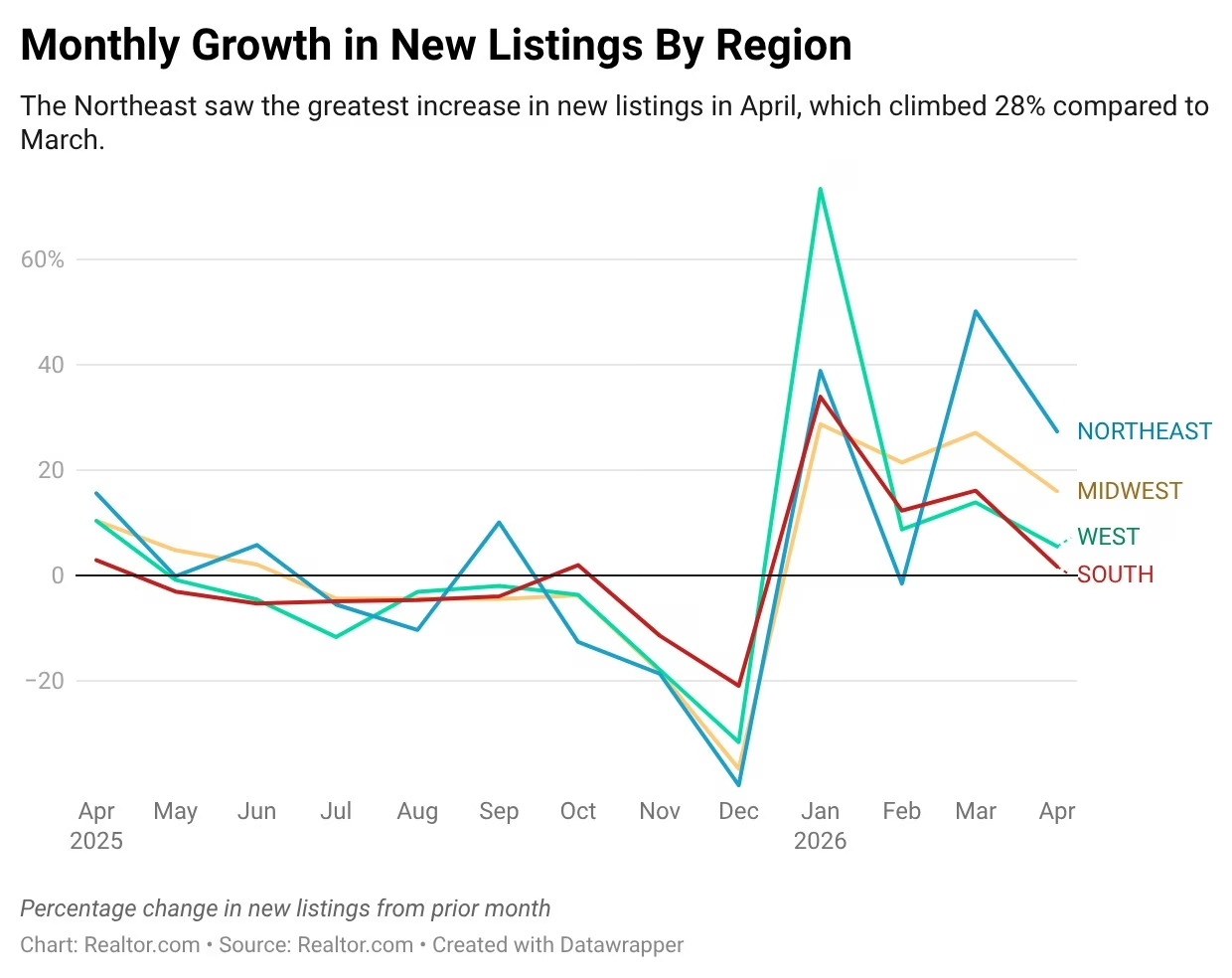
For buyers and agents in the Northeast and Midwest, I have some good news. These markets are finally seeing some of the strongest rebounds in years, with new listings in the Northeast up 28% month over month and 9.4% year over year. The Midwest follows closely behind with a 19% month-over-month increase and a 6.6% year-over-year growth.
These areas, which are some of the most inventory-constrained regions in the country, are finally seeing sellers step off the sidelines. And candidly, as an agent in New Jersey, this is welcome news. For the past few years in these markets, the biggest challenge hasn’t been demand; it’s been a lack of options. |
What’s driving this shift isn’t lower rates. Homeowners who were locked into 3% mortgages and have been waiting for rates to go down are tired of waiting and have started to move, driven by job changes, family needs, and lifestyle shifts. Years of price appreciation have given many sellers enough equity to make moving financially feasible, even in a higher-rate environment.
The result is a market that’s starting to rebalance. Buyers who were sidelined due to a lack of inventory are reentering as options increase. The Northeast and Midwest aren’t buyer’s markets yet, but they’re taking a step toward normalization. What this means for the market: |
📈 Inventory is finally expanding: After years of constraint, more listings are hitting the market in competitive regions, giving buyers something they haven’t had in a while: real choice. 🛍️ Buyers can shop again: Instead of jumping on the first available home, buyers can compare options, be more selective, and make more intentional decisions.
💰 Equity is unlocking movement: Years of home price appreciation have given sellers the financial cushion to make a move, even with higher mortgage rates. |
|
|
|
If you use ads to market yourself as a real estate agent, which types do you use? |
|
|
|
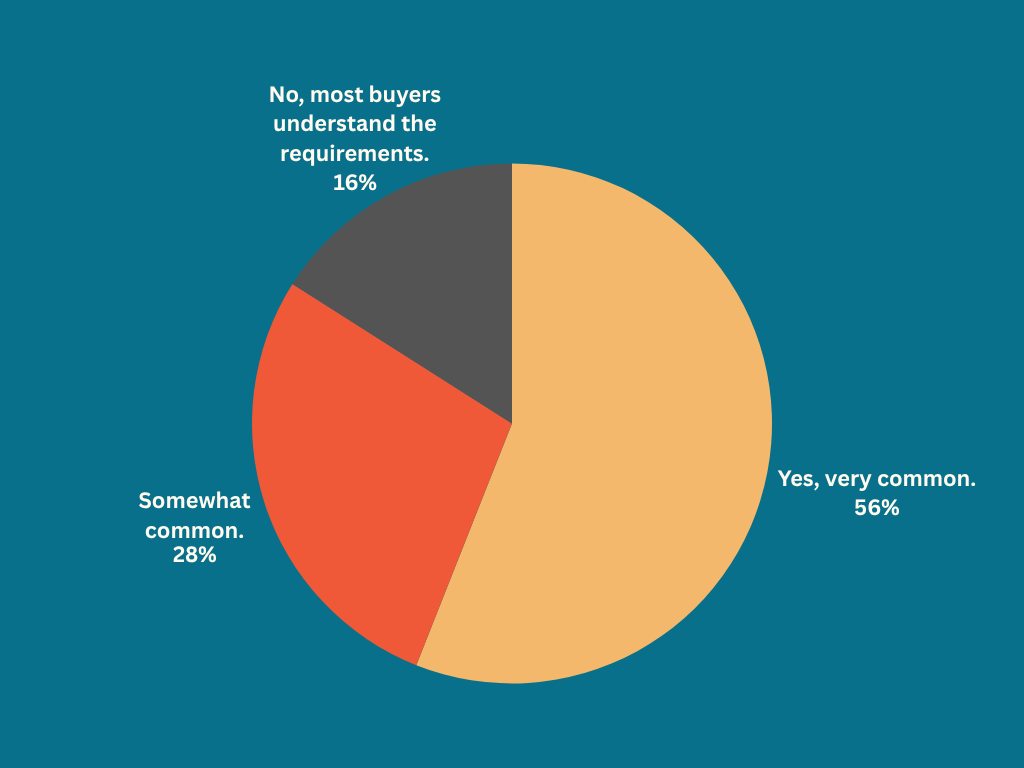
Is the misconception about the 20% down payment common among buyers in your market? |
|
|
|
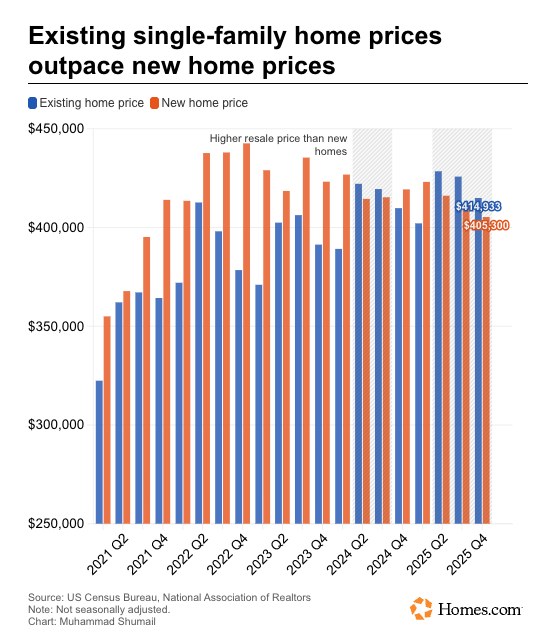
For the first time in recent years, new homes are now effectively cheaper than existing ones. Builders are cutting prices and offering incentives like rate buydowns, closing cost coverage, and upgrades to keep demand moving. At first glance, this puts pressure on investors. If buyers can get a brand new home for less, it raises an important question: why would they choose a resale or a flip?
|
This is where the opportunity shifts, not disappears. Investors are no longer competing on price; they’re competing on positioning. Knowing what features buyers are looking for and including them in their flips will keep them competitive with cheaper new builds. New Zillow data shows that homes with distinctive, character-driven features, such as exposed beams, brick, or unique architectural styles, are getting significantly more attention and selling faster.
Investors, this is your edge. The play isn’t to out-discount builders, it’s to out-position them. Homes with personality, thoughtful design, and a clear aesthetic are more likely to attract attention, drive competition, and command higher prices. This is a shift in strategy. Builders are solving for affordability. Investors can win by solving for desirability. What investors are prioritizing now: |
- Design-driven renovations: Investors are focusing on features that make properties stand out and attract buyer attention.
-
Strategic pricing: Investors are pricing with builder competition in mind, not just resale comps.
- Buyer attention metrics: Understanding what drives buyer clicks, tours, and offers is becoming just as important as comps.
|
🔎 Study new construction pricing in your market
🎨 Audit your current or next project design 💵 Analyze your renovation budget on your current or next flip |
|
|
|
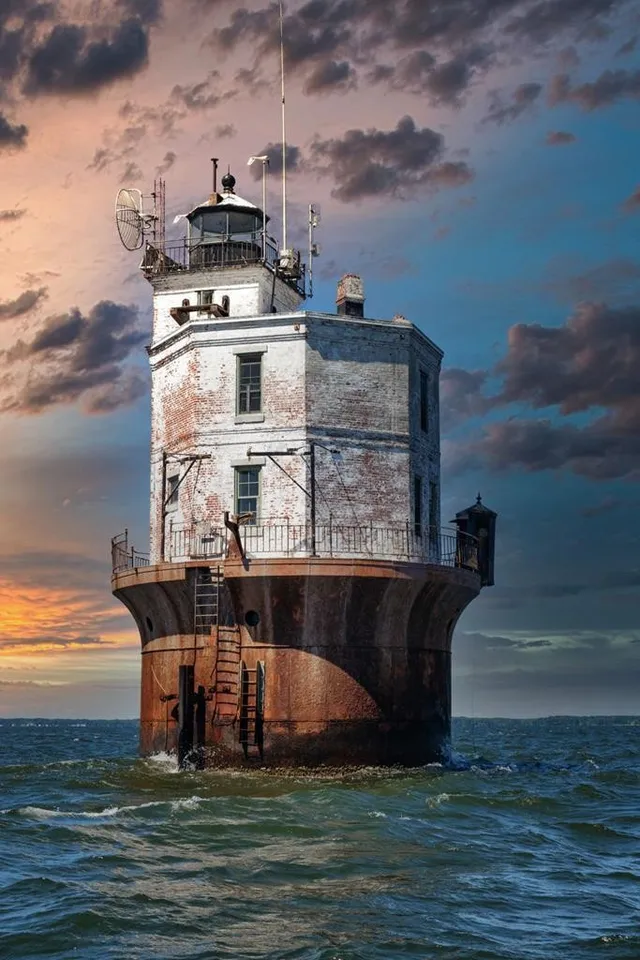
Ever dreamed of being a lighthouse keeper? Well, you can live that fantasy and purchase your own lighthouse. A 1897 lighthouse off the coast of Virginia, currently listed for just $450,000, sits 2.5 miles offshore, offering panoramic bay views and four bedrooms. Most importantly, it offers something you simply can’t replicate: ownership of a piece of Chesapeake Bay history.
This isn’t the first time this lighthouse has been for sale. It was listed in 2024 after its owner, who purchased it through a government auction in 2005, spent years renovating it into a liveable retreat. As the property is only accessible by boat, the renovations took considerable time, and the structure was rebuilt while preserving its historic integrity. The lighthouse was ultimately pulled from the market and has been relisted a few times since.
|
Other lighthouse homes do exist, and function as residences and even short-term rentals. The one difference with this property is that most successful short-term rental lighthouses are accessible by car, whereas this lighthouse is offshore.
The property is listed on the National Register of Historic Places, meaning it’s officially recognized for its historical and architectural significance. This designation can both increase and decrease its sellability. Owners will most likely face renovation limitations, higher maintenance expectations, and the need for specialized approvals. Though it can also increase buyer interest tied to preservation and historical significance.
This is the kind of property that sells on identity, not convenience. As a vacation home or even a short-term rental, it offers a completely unique experience, privacy, history, and unmatched views. But there are real barriers: boat-only access, ongoing maintenance, and historic restrictions. That’s exactly why strategy matters. For the right buyer, this lighthouse will be impossible to miss.
|
📜 Educate on historic designation: It’s imperative to help buyers understand both the benefits and responsibilities that come with historic designation when you’re listing a property such as this. Buyer confidence comes from clarity.
🚤 Address challenges upfront: Boat-only access, maintenance, and restrictions shouldn’t be hidden. I’d recommend including these factors in the listing description to attract only the proper buyers. The right buyer will see these challenges as part of the appeal.
📚 Lean into the story: Properties like these sell because of their history and narrative. Lead with the story, don’t bury it. A strong strategy here would be to create a social video that highlights the lighthouse’s historical significance and tell it’s story in a way that draws buyers in. |
|
|
|
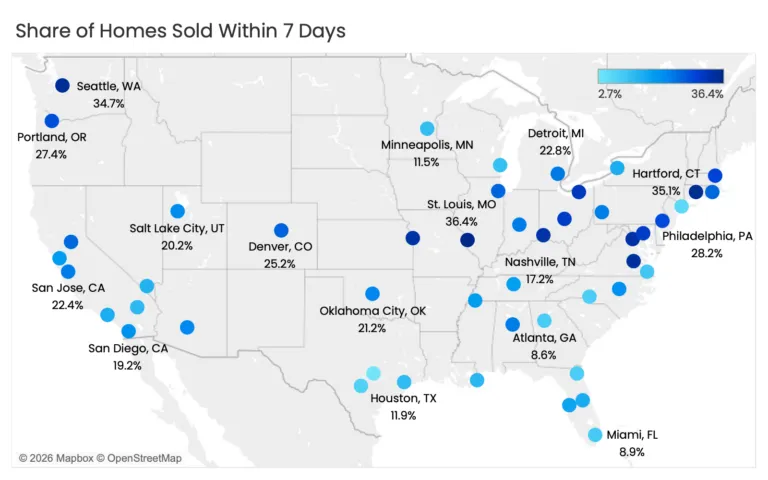
Nearly one in five homes accept an offer within the first seven days, and these homes are 2.6 times more likely to sell above asking price. This isn’t a coincidence, it’s a signal. In today’s market, listings are splitting into two tracks. The listings priced right, marketed correctly, and that create early demand are moving fast and driving bidding wars. And the others are sitting. The difference between listings that sell and those that don't lies in what happens in that first week on the market.
Listing agents, the first week isn’t just important; it’s everything. Pricing, marketing, exposure, word-of-mouth, and open-house execution need to be planned and perfected before the home ever hits the market. Remember, you don’t get a second chance at that initial surge of attention. Miss it, and you risk quickly falling into the “stale listing” category.
|
For buyer agents, this is just as critical. When a home is getting strong activity in the first few days, you need to recognize what that means. These homes are far more likely to receive multiple offers and sell above asking price. Your agents should be preparing clients for competitive scenarios early, adjusting expectations, strengthening offers, and moving quickly when the right property hits.
Brokers, it's up to you to train your agents on timing and strategy. Agents need to understand how to create momentum on listings and how to read it on the buy side. The agents who understand this win whether they’re representing a buyer or a seller. And those who don’t will be consistently a step behind. What’s working right now: |
- Pre-market listing strategy: Agents are preparing pricing, marketing, and launch plans ahead of launch to maximize first-week momentum.
- Buyer expectation coaching: Agents are preparing buyers early for competitive scenarios, including the likelihood of over-asking offers.
- Launch week execution: Brokerages are emphasizing strong first-week exposure through open houses, agent outreach, and coordinated marketing.
|
|
|
|
🔥 Flint housing market heats up: The Wall Street Journal highlights a surge of investor activity driving home prices sharply higher, as buyers flock to one of the nation’s most affordable markets in search of outsized returns.
📈 Mortgage debt rising fastest in unexpected states: Realtor.com reports WalletHub data showing states like Alaska, Delaware, and Kentucky are seeing the biggest increases, as higher rates and home prices stretch homeowner finances.
🤖 AI data centers face local pushback: Redfin finds nearly half of Americans oppose building data centers in their neighborhoods, citing concerns over energy use, environmental impact, and community disruption, even as demand for AI infrastructure surges. |
|
|
|
|
Sophia Doyle is a staff writer at The Close and a licensed New Jersey real estate agent with hands-on experience in residential real estate. Sophia brings real-world insight into today’s housing market, combining on-the-ground agent experience with a strong background in communications. She understands the full transaction lifecycle, from lead generation and client relationships to marketing strategy and deal execution. Through her writing, Sophia delivers clear, practical guidance to help agents navigate an evolving industry with confidence and creativity.
|
|
|
|
Advertise in The Close The Close is a TechnologyAdvice business © 2026 TechnologyAdvice, LLC. All rights reserved. TechnologyAdvice, 3343 Perimeter Hill Dr., Suite 215, Nashville, TN 37211, USA. |
|
|
|
|