Agents, are you tired of your clients losing bidding wars? Well, some of the biggest competitors in the market may no longer be allowed to compete. This week, I’ll be breaking down the shifts shaping 2026 – from regulatory changes to tax strategies, and how brokers can use data to coach their teams through an evolving market. |
Brokers are realizing that understanding local inventory and pricing trends is a necessity. Investors should take advantage of new tax incentives and strategies to maximize cash flow and long-term growth. And agents? Get ready to have conversations with your buyers about the president's proposed ban and how that will affect their buying power. |
|
|
Here's what you need to know today: |
|
|
In a Truth Social post, President Trump announced he will be taking steps to ban large institutional investors from buying single-family homes, signaling a potential shift in housing supply dynamics. Investor-backed cash offers may slow, creating opportunities for traditional buyers – but uncertainty remains as details are not yet finalized. |
Agents should use this news to reframe conversations with buyers and sellers. Early awareness allows you to position your listings and clients strategically as market conditions evolve, and reinforces your knowledge of market changes to your clients. While it’s unclear as to the exact parameters of the proposed ban, I, alongside other agents, see this as a clear sign of increased affordability in 2026. What this could mean for your clients: 🎉More opportunities for buyers: If institutional investors are banned from purchasing properties, homes that were previously out of reach due to competition pushing up prices may now be within your client’s price range.
🔥Listing strategy: Emphasize the owner-occupant appeal of your client’s properties. Market homes for lifestyle, not just investment yield. 📊Market insights: Monitor investor activity in your ZIP code and advise clients accordingly of changes and opportunities once the ban takes effect. |
|
|
How do you think banning large institutional investors from buying single-family homes will affect the market? |
|
|
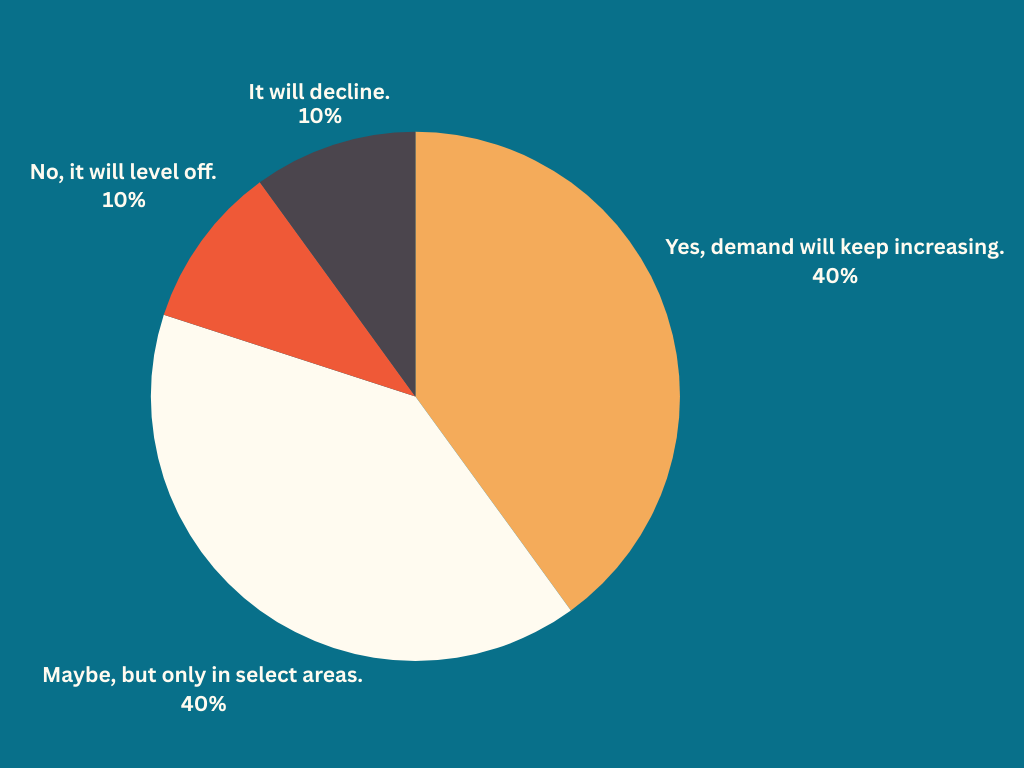
Do you think office leasing activity will continue to rise this year? |
|
|
If you’re an investor and haven’t studied the new tax reform provisions going into effect, you are missing out on money-saving opportunities. New federal provisions pertaining to accelerated depreciation, energy-efficient improvements, and opportunity zones are giving investors the chance to boost cash flow and build long term equity in 2026. |
Taxes are no longer just an end-of-year headache. Investors who plan ahead can front-load deductions, improve operational efficiency, and structure investments for maximum flexibility. The new tax code is a tool for growing your portfolio, not just staying compliant.
What investors are prioritizing now: |
- Front-load deductions: Cost segregation allows investors to accelerate depreciation, often pulling 20–40% of a property’s value into year-one deductions, which can significantly boost near-term cash flow. For qualifying assets, this can mean six-figure write-offs much earlier in the holding period.
-
Go green, save green: Incorporate energy-efficient upgrades – LED lighting, high-efficiency heating, or low-flow fixtures – that qualify for up deductions up to $5.80 per-square-foot, meaning even modest multifamily properties can unlock five-figure tax savings while improving long-term operating efficiency. A 2,000-sq-ft multifamily property could qualify for up to $11,600 in deductions if it meets requirements.
-
Think long-term: Leverage opportunity zones to defer capital gains taxes through 2026 and potentially eliminate federal taxes on appreciation if held long enough. In some rural zones, investors may also reduce the original taxable gain, compounding long-term savings.
|
🔍Review upcoming acquisitions and renovations to see where tax incentives apply.
🌱Identify energy-efficient improvements you can make to your properties. ⚖️Begin aligning your holding strategies with opportunity zone rules. |
How can you expect to properly coach your agents if you are not knowledgeable about the data? Brokers who track inventory, price trends, and investor activity give their agents a real competitive edge. By interpreting local market signals, you can coach agents on pricing strategy, offer timing, and buyer targeting – helping your team act confidently in a shifting market.
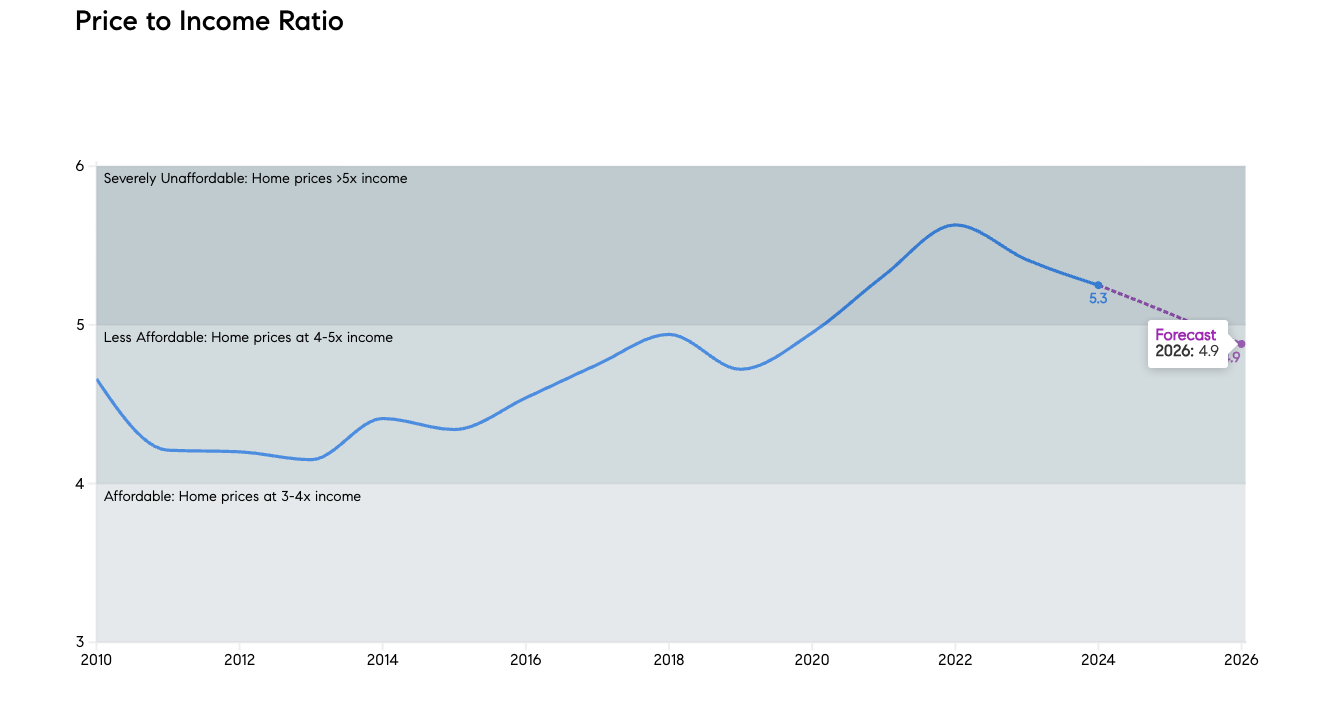
Educate yourself on inventory, home prices, mortgage rates, price-to-income ratios, days on market, withdrawn listings, and much more. Unsure where to receive this data? Study your local MLS reports, read housing market outlook predictions, conduct your own internal team data reviews using a CRM or accountability software, and track economic and regulatory updates.
|
Data is not just numbers; it’s actionable insight. Brokers who turn trends into coaching tips help their agents know when to push, when to hold, and where opportunities are hiding. Brokers, don’t keep the data to yourselves; share it with your agents. Your agents don’t just want instructions – they want to see why decisions are made. Giving them that context lets agents learn in the moment, build confidence, and apply the same approach in the future. That way, your whole team knows how to find, interpret, and act on the data.
|
What’s working right now: |
- Local market intelligence: Consistently monitoring inventory levels, median prices, and trends to guide agent strategy. If needed, schedule a 30-minute window each day just to study a different data source.
-
Team data check-ins: Regularly reviewing internal sales and other metrics to spot internal trends or shortcomings within the team. Check metrics weekly and communicate findings to team members, including any actions needed based on the results.
-
Educating agents: Meet with agents on a regular basis– weekly, bi-weekly, or monthly– to discuss and present data, upcoming trends, and market outlooks. Allow agents to ask questions and teach agents how to find and interpret the data on their own.
|
|
|
😟Economic uncertainty could slow homebuying: Bright MLS reports a majority of Americans are worried about their finances, debt, and potential job loss, which may affect the 2026 housing market. 🔥Competition heating up in the Northeast and California: Zillow’s 2026 forecast highlights stiff buyer competition in metros where demand is greater than supply, keeping sellers in control in those areas in 2026.
💡Buyers are focusing on the wrong part of the market: Investing influencer Grant Cardone tells Business Insider that buyers should not fixate on price alone; instead, they should prioritize creative financing options and location to maximize long-term value.
|
|
|
|
Sophia Doyle is a staff writer at The Close and a licensed New Jersey real estate agent with hands-on experience in residential real estate. Sophia brings real-world insight into today’s housing market, combining on-the-ground agent experience with a strong background in communications. She understands the full transaction lifecycle, from lead generation and client relationships to marketing strategy and deal execution. Through her writing, Sophia delivers clear, practical guidance to help agents navigate an evolving industry with confidence and creativity.
|
|
|
Advertise in The Close The Close is a TechnologyAdvice business © 2026 TechnologyAdvice, LLC. All rights reserved. TechnologyAdvice, 3343 Perimeter Hill Dr., Suite 215, Nashville, TN 37211, USA. |
|
|
|